Swings: push in rhythm
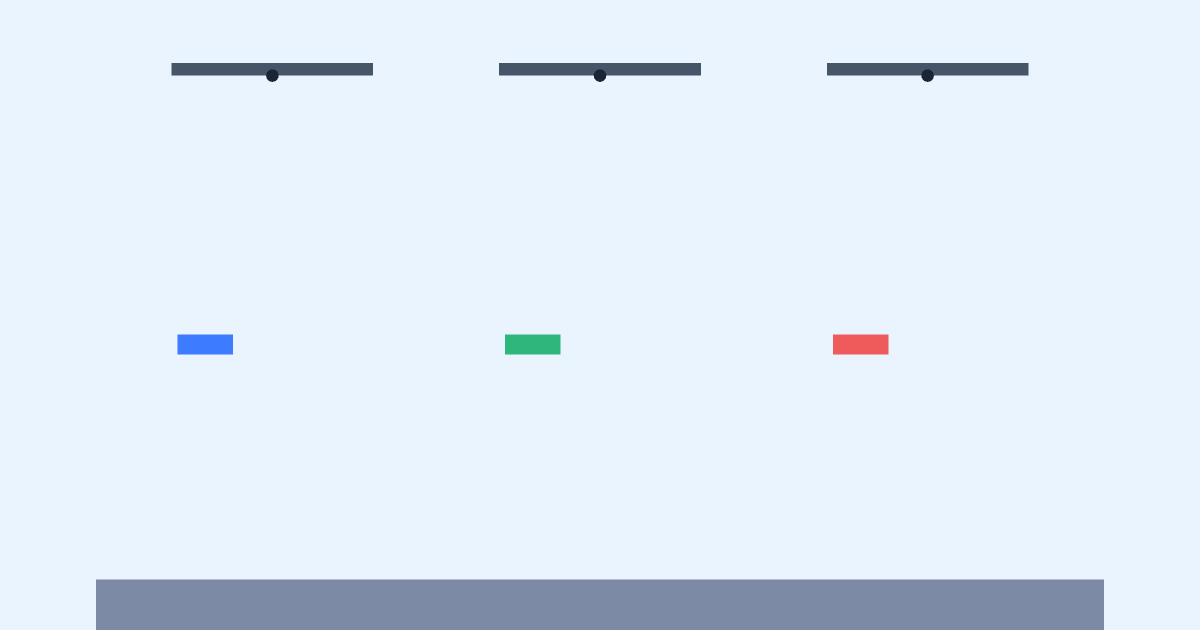
Three identical swings: no pushes, pushes along the motion and pushes against it. Rules push the seat as it passes the lowest point.
2D
Age 6+10 min
OscillationsEnergyLogic & robots
Loading simulation…
Press “Run”. Bodies move by the laws of physics: gravity, friction, elasticity.
What the experiment shows
A swing builds up when you push it in time with its own swinging — along its motion. A push against it damps the swing. This is resonance.
How to run it
- Press “Run” and compare the swing of the three seats after 20 seconds.
- Open the “Logic” tab and see which way each rule pushes.
- Make the push twice as strong — what changes?
Questions to discuss
- Why do the left swings slowly stop?
- Why push exactly at the lowest point?
The science
Every push along the motion adds speed and energy; a push against it removes some. When pushes repeat at the swing’s own period, energy accumulates and the swing grows. The period is independent of the swing size: T = 2π√(L/g).
Try it at home
At a playground push a swing at different moments: at the lowest point and at the top.
What to change in the editor
- Change the rope length — how does the rhythm change?
- Remove the damping from the middle swing (ld = 0).