2DAge 10+10 min
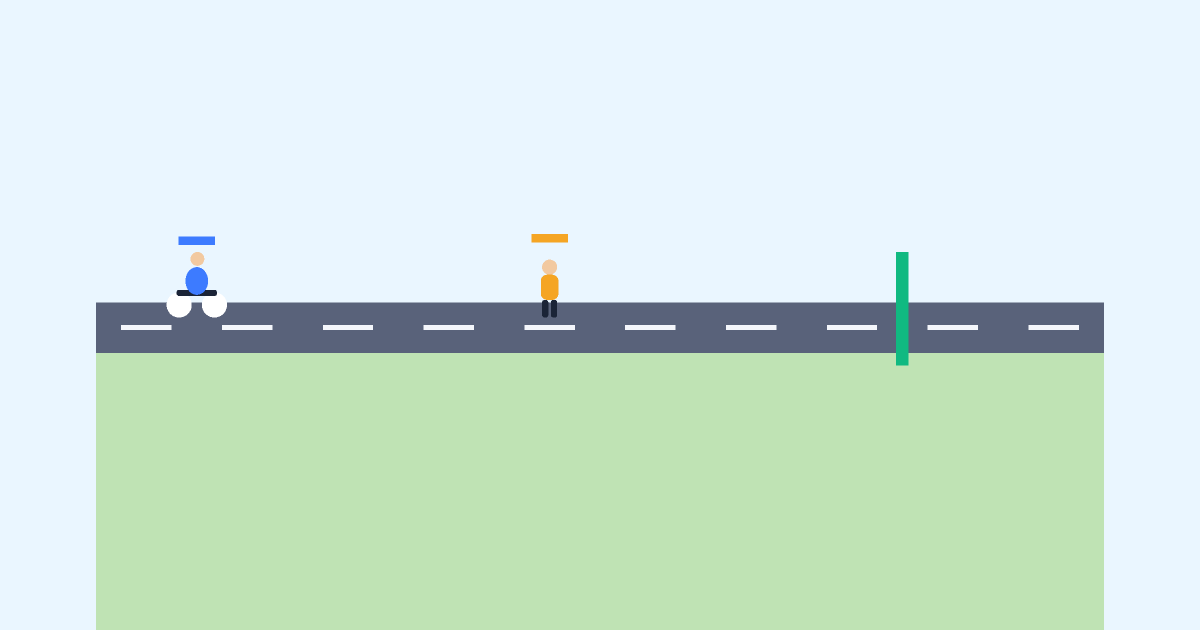
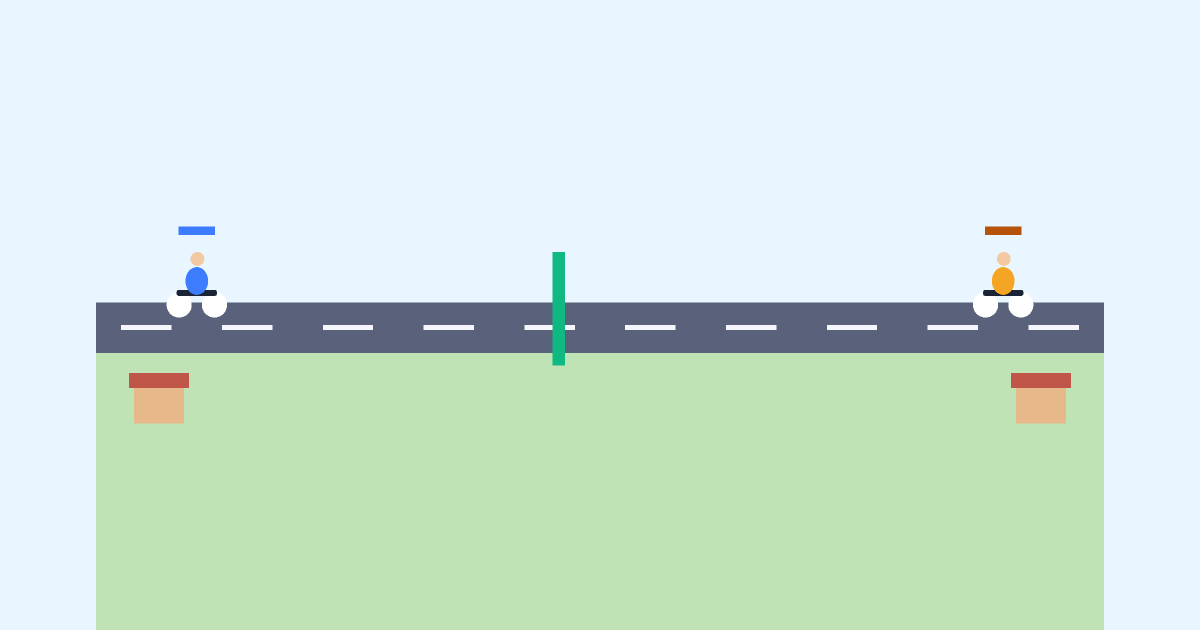
Two cyclists toward each other: when do they meet
A motion problem with sliders: change the distance and speeds, run the scene and check your answer. A model for building your own problems.
Every problem is a real Tymora project: a physics scene, sliders for the statement, an answer field and a step-by-step solution. Solve it, change the numbers, then open a copy in the editor and build your own from the model.
Run the scene, work it out and enter the answer: the check and a hint are right there.
Move the sliders: the statement, the scene and the answer update themselves.
Make a copy in the editor and build your own problem from the model.
A motion problem with sliders: change the distance and speeds, run the scene and check your answer. A model for building your own problems.
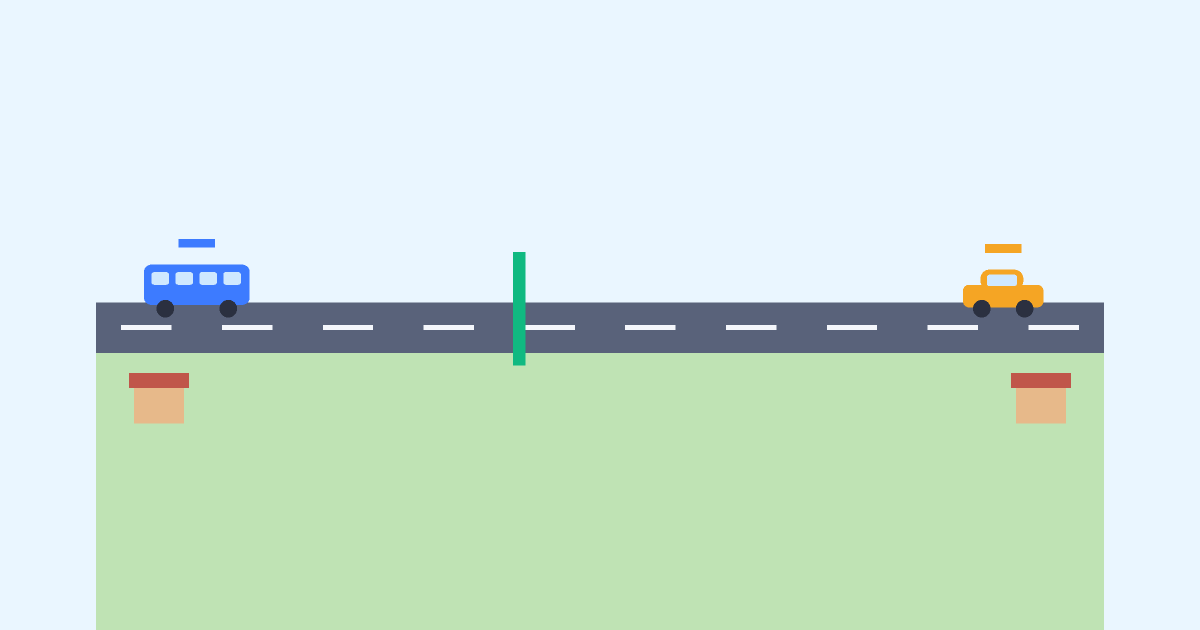
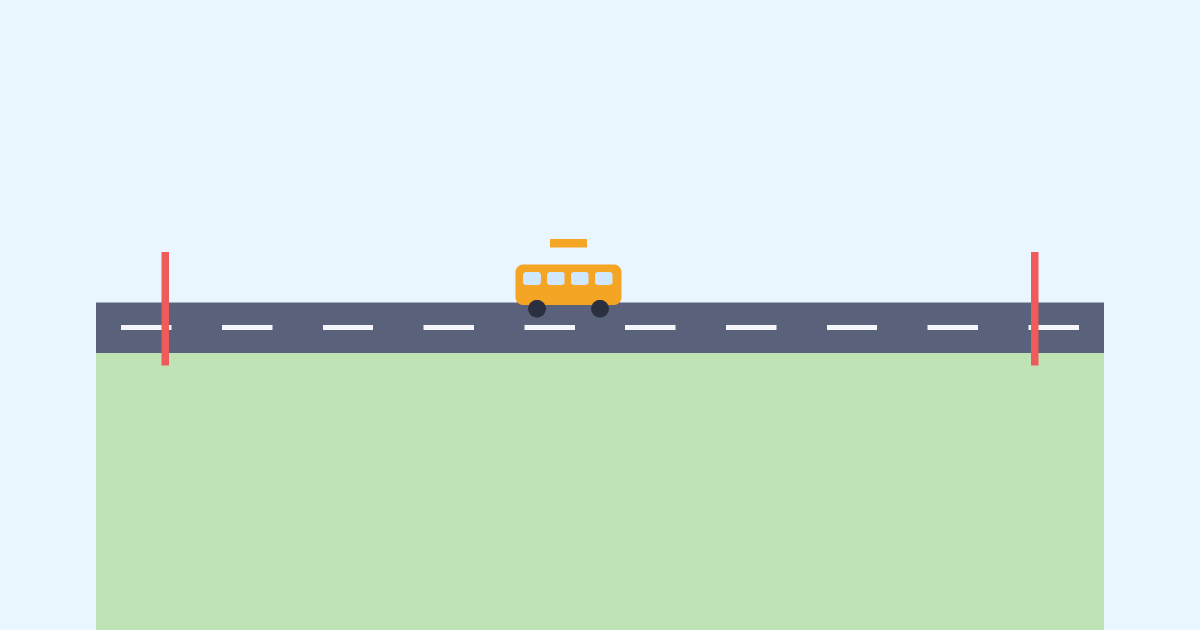
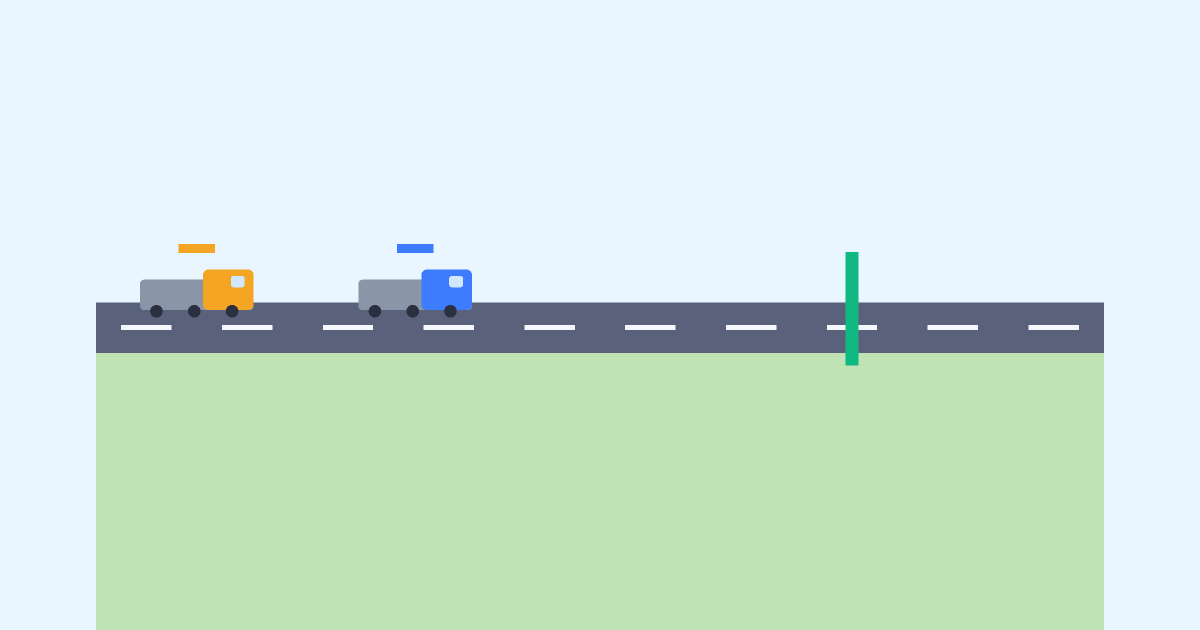
A bus and a car leave two cities toward each other. Change the distance and speeds with the sliders and check when they meet.
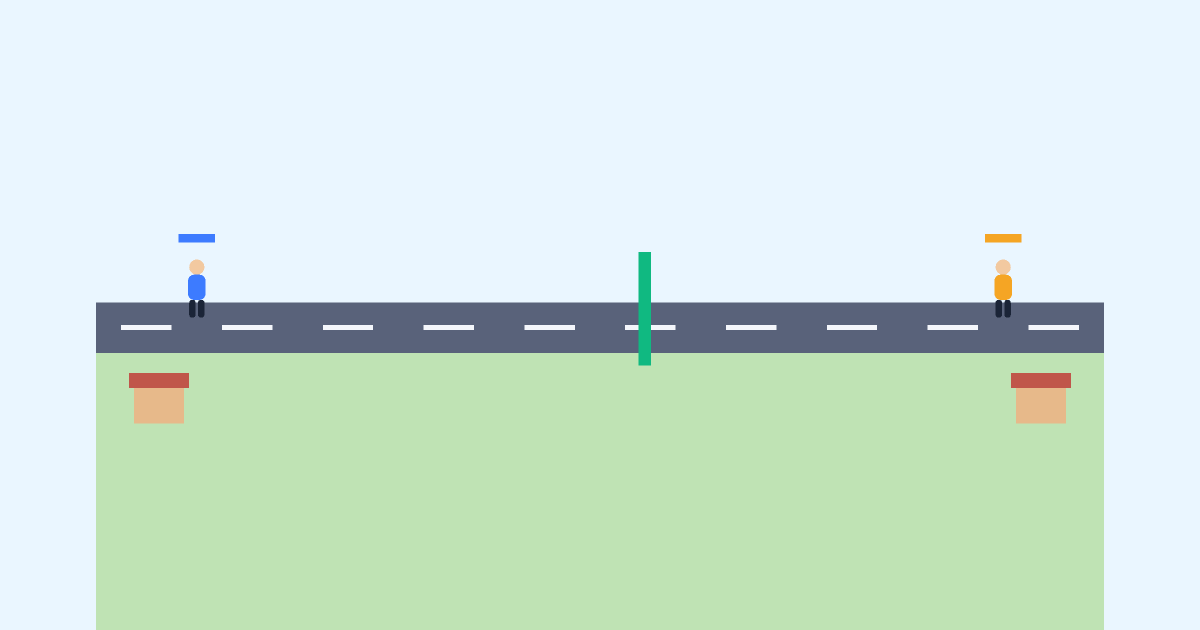
Two pedestrians walk toward each other from two points. Change the distance and speeds and check when they meet.
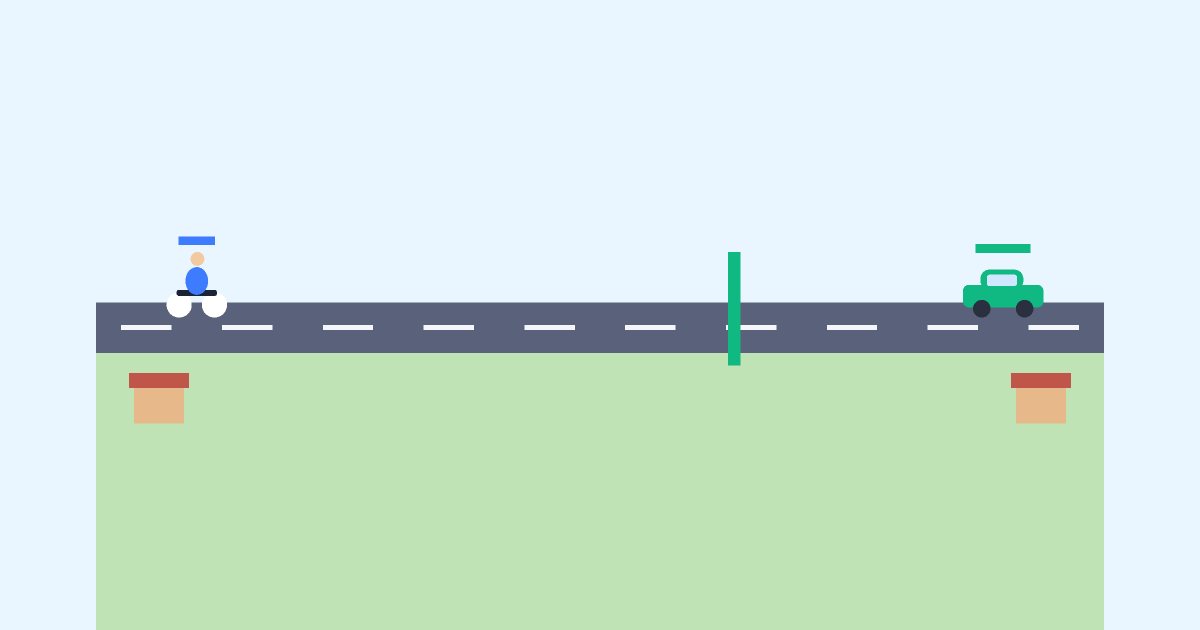
A motorcyclist and a truck drive toward each other; the truck's speed is a fraction of the motorcyclist's. Find the meeting time.
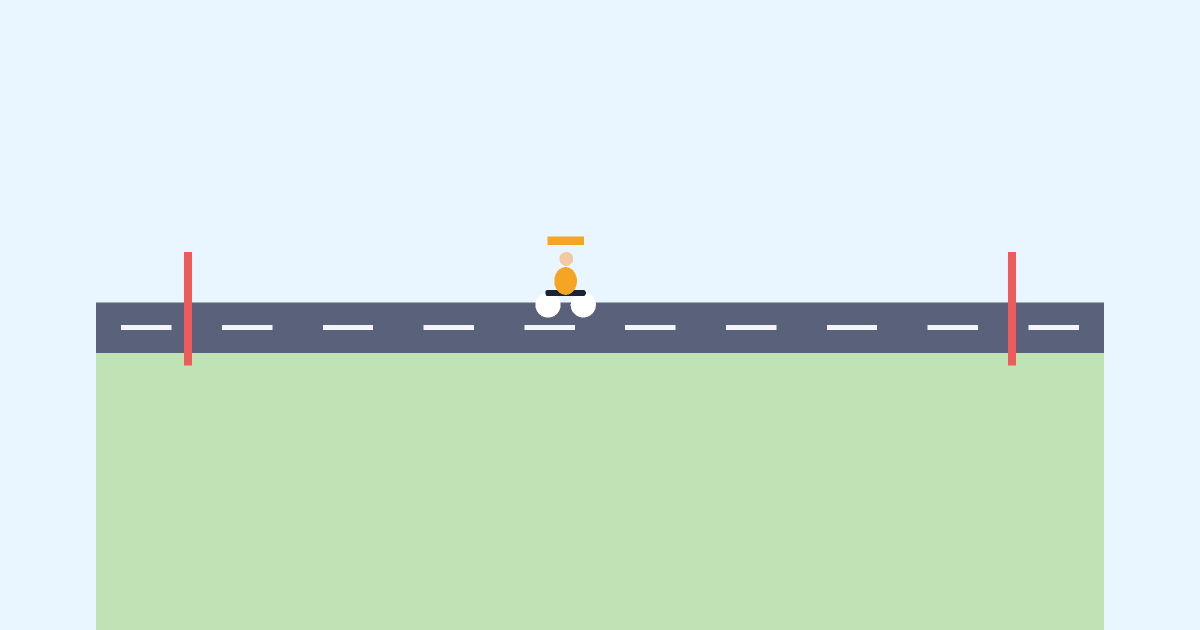
Two cyclists leave one point in opposite directions. Find the distance between them after the given time.
Two buses leave a bus station in opposite directions. Find after how many hours they are the given distance apart.
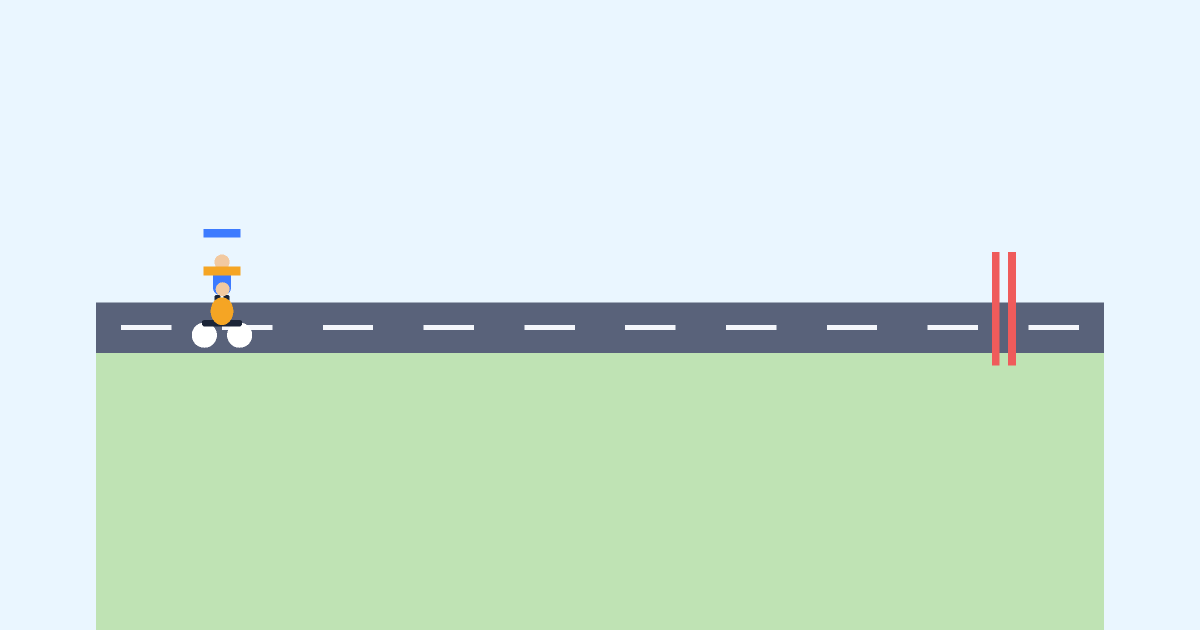
Two skiers go in opposite directions, the second a few km/h slower. Find the distance between them after the given time.
Two groups leave a camp in opposite directions. Find after how many hours the distance between them reaches the given value.
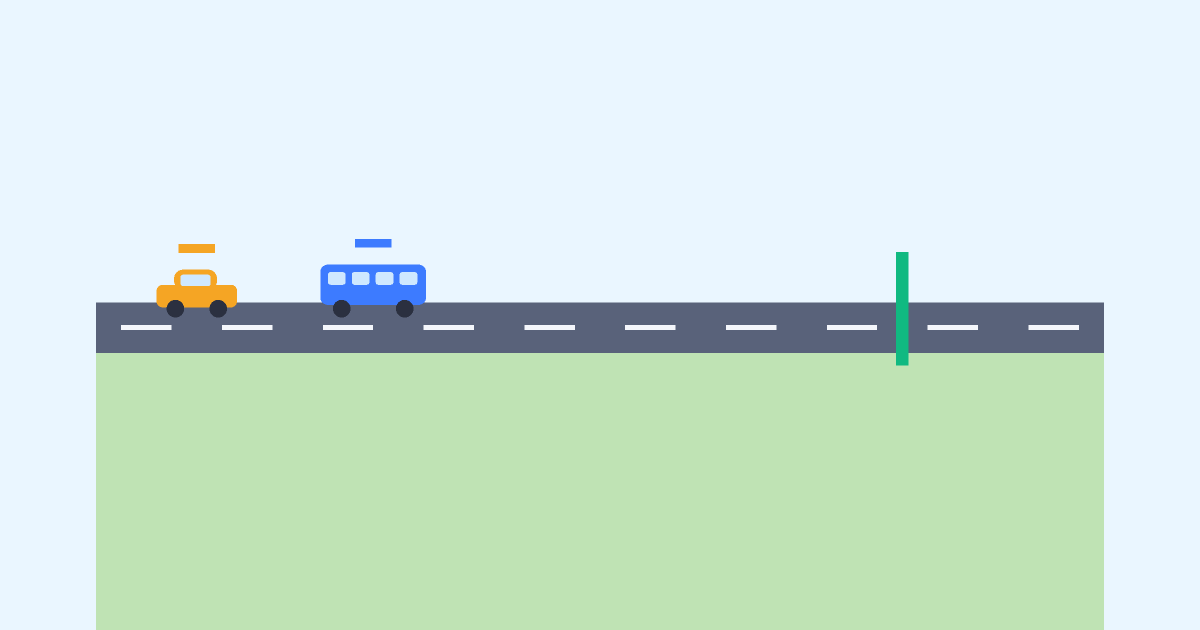
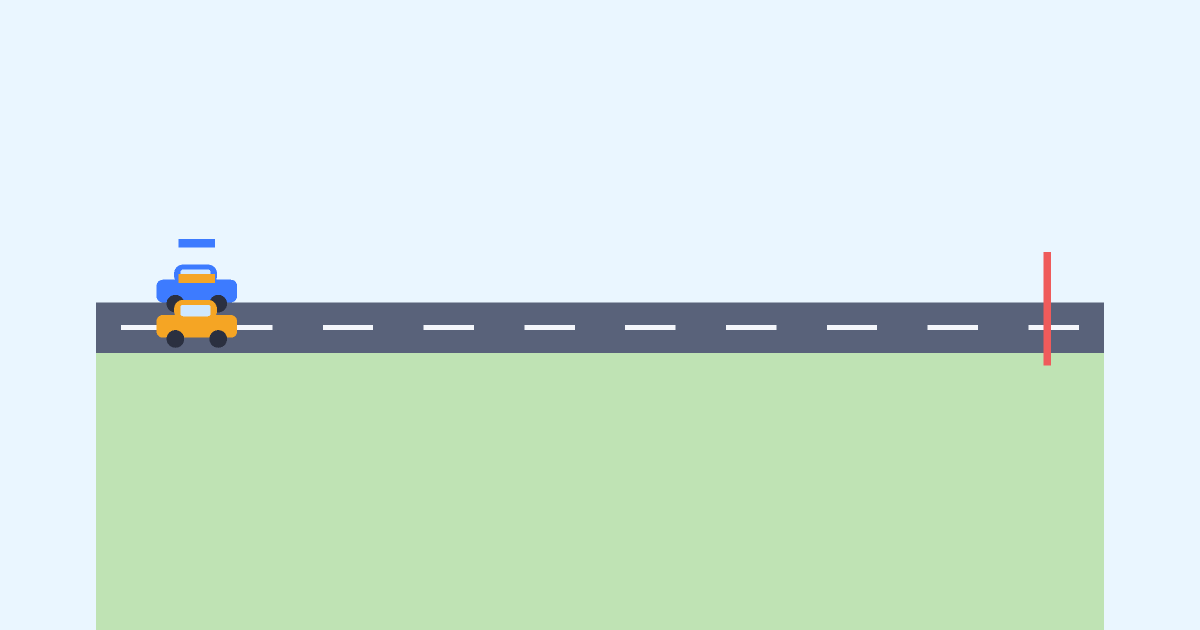
A bus leaves first and a car follows. Change the speeds and the head start and check when the car catches up.
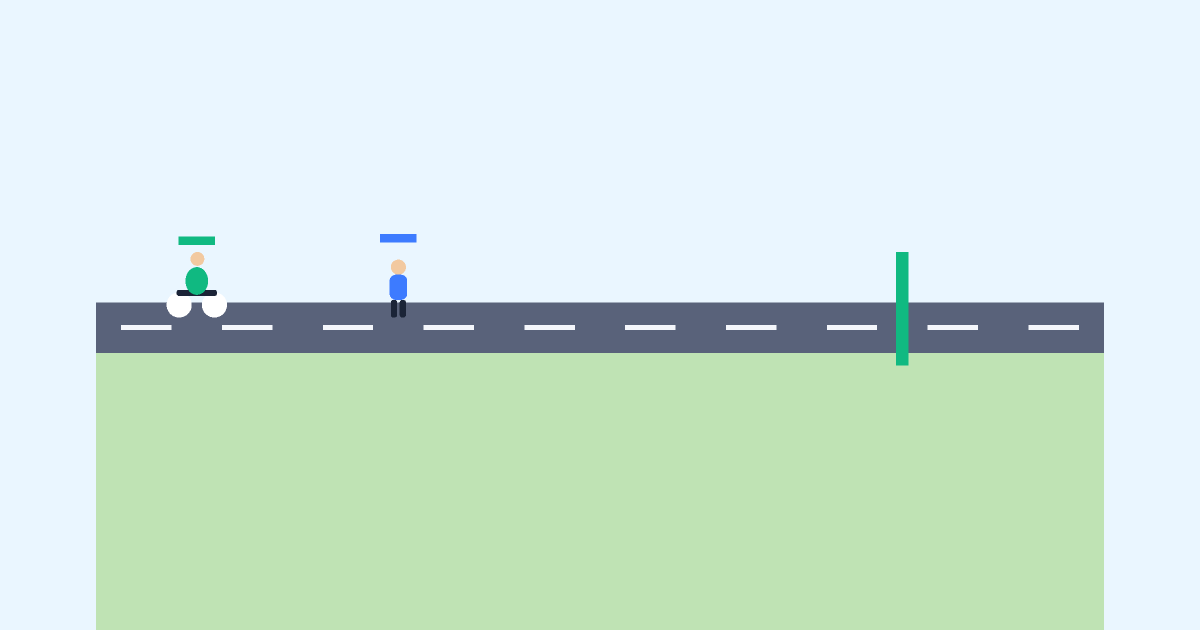
A pedestrian sets off first and a cyclist follows. Find the time the cyclist needs to catch up.
Two trains go the same way; the second starts behind the first and is faster. Find when it catches up.
The first tourist leaves point M, the second leaves later and faster. Find the time to catch up.
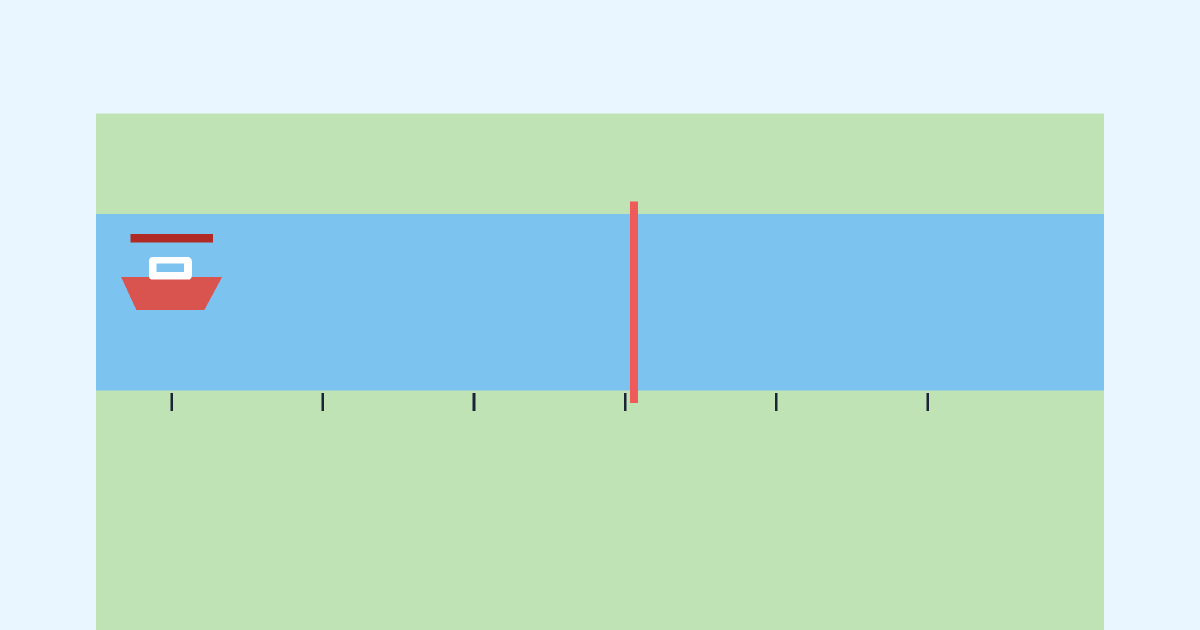
A river motion problem with sliders: own speed, current and time. Run the boat, find the distance and check your answer.
The speed downstream and the current are known. Find the boat's own speed and its speed upstream.
A boat covered a given distance downstream in a few hours. Find its speed downstream and on the way back.
A kayak covers equal stretches downstream and upstream. Find the total travel time.
A boat goes between two piers in one time downstream and another upstream. Find its own speed.
A pupil goes to school on foot or by scooter. Find how many minutes the scooter saves.
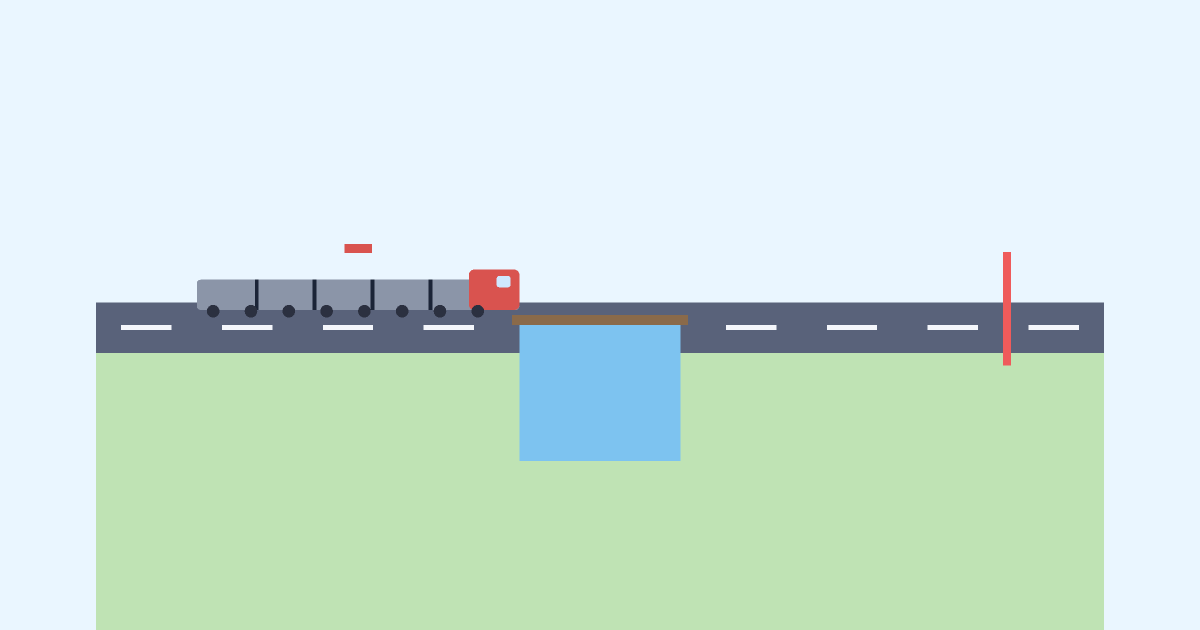
An 800 m train passes a 400 m bridge. Change the speed and find how many seconds it takes to cross the bridge completely.
Two cars drive from one city to another at different speeds and arrive at different times. Find the distance between the cities.