2DAge 10+15 min
Launch angle: which angle flies farthest
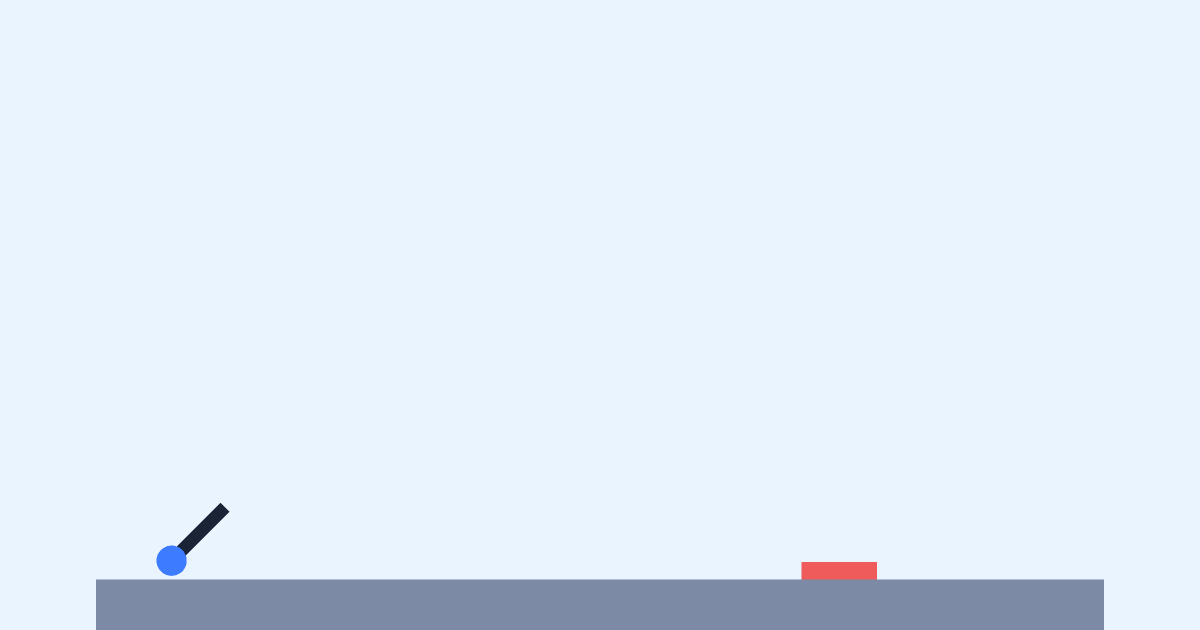
Three balls start at the same speed at 30°, 45° and 60°. Their paths and ranges are traced — a projectile motion experiment.
Interactive experiments for kids, students and teachers. Run each one right on the page, then open a copy in the Tymora editor and change mass, friction, elasticity or gravity. Every experiment comes with discussion questions and a version to try at home.
Three balls start at the same speed at 30°, 45° and 60°. Their paths and ranges are traced — a projectile motion experiment.
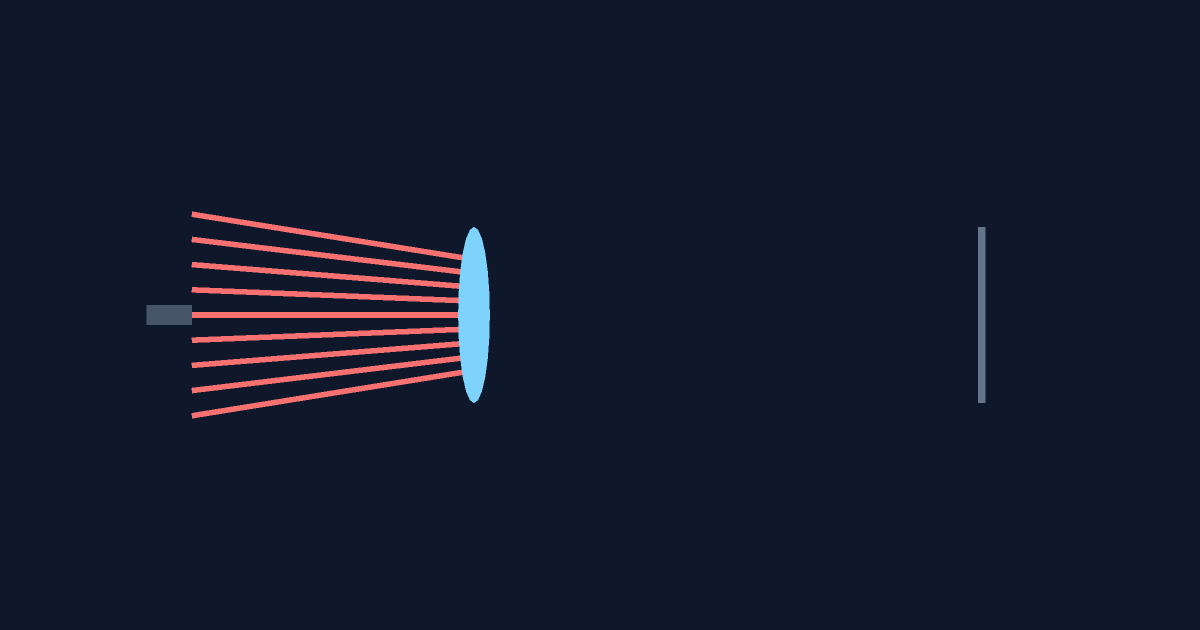
A parallel beam of rays passes through a converging lens and meets at one point — the focus. Then try a diverging lens.
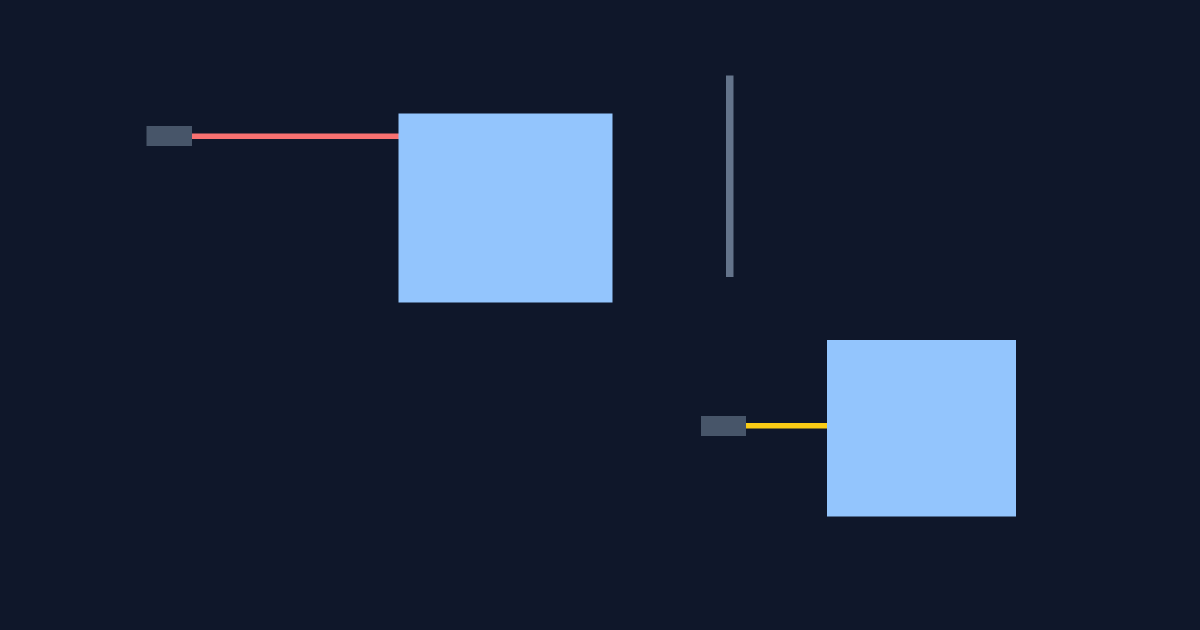
A ray enters a glass block and a prism, changes direction and leaves. The angle of refraction obeys Snell’s law.
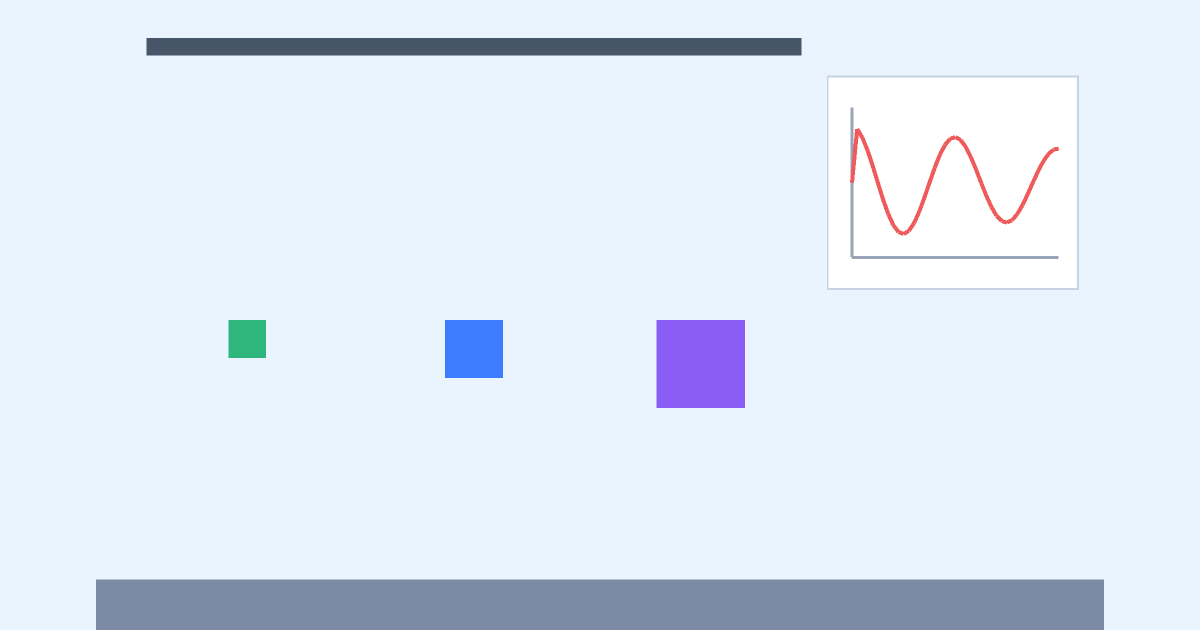
Three weights of 0.25, 1 and 4 kg bob on identical springs. The light one is quick, the heavy one slow, and the chart shows the period.
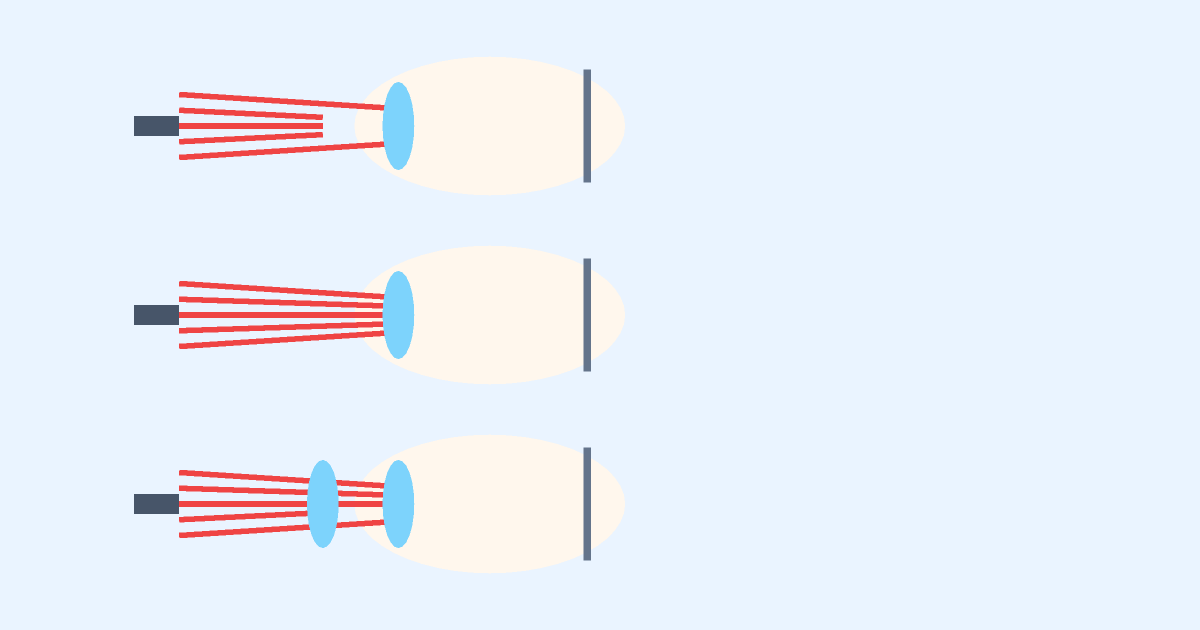
Three eye models: normal, short-sighted and short-sighted with glasses. Rays meet on the retina only in the normal eye and in the eye with a diverging lens.
Change the angle and speed with sliders and watch the path change. Captions show the time, the ball position and the range from the formula.