3DAge 8+15 min
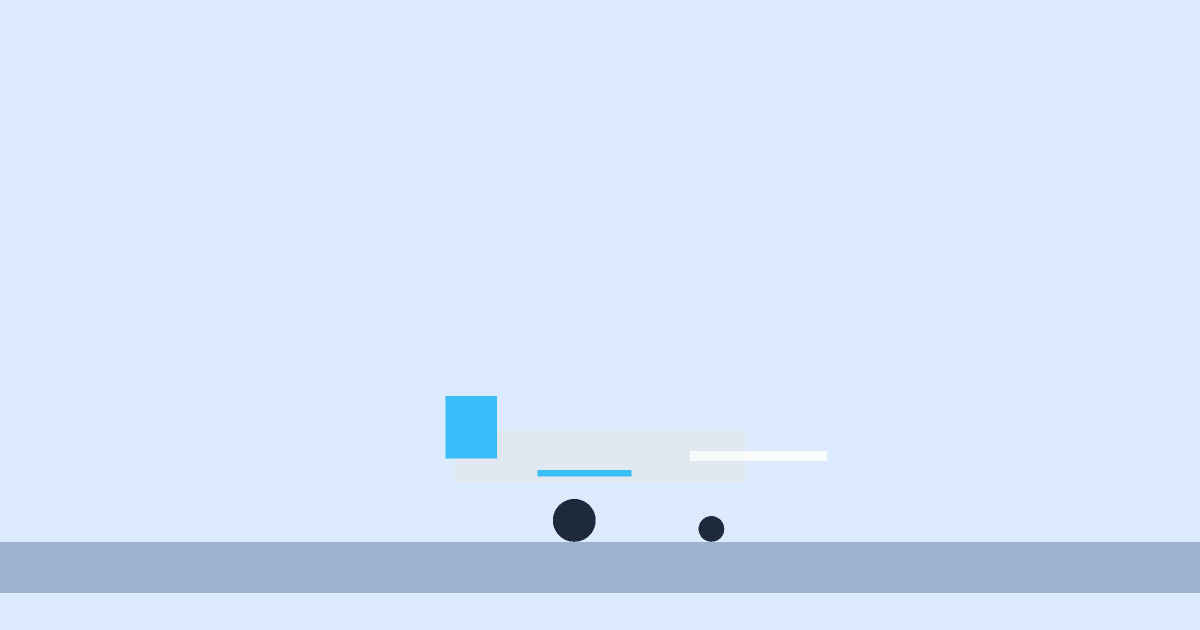
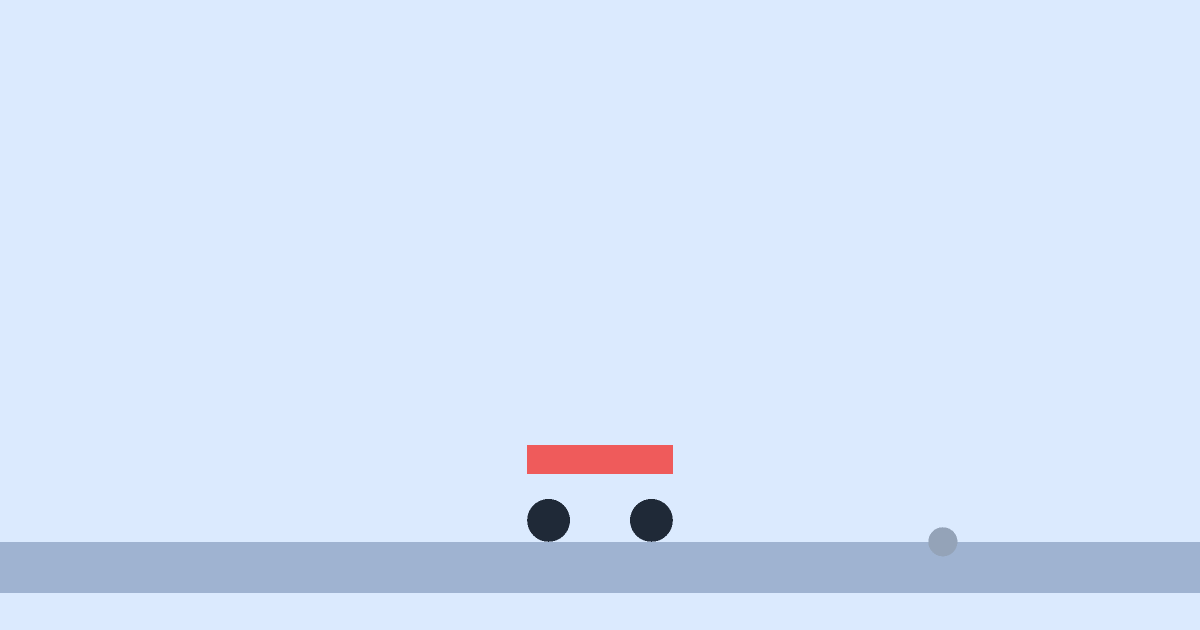
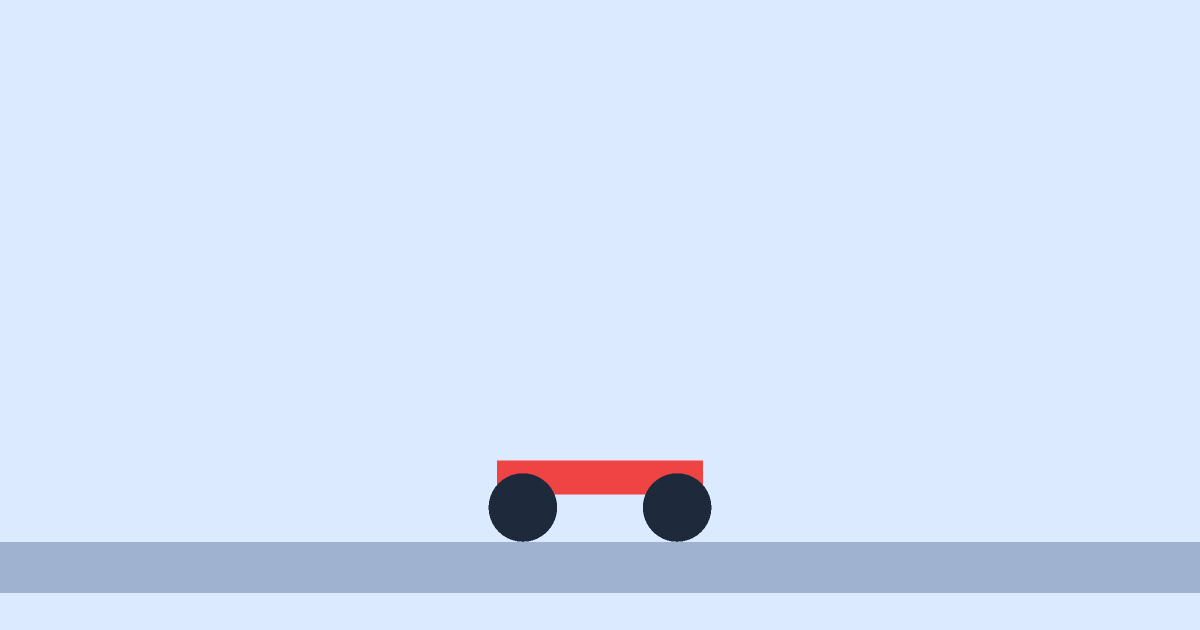
A car with drive and steering: how wheels work
A drivable 3D car: keys W, S, A, D. Find out where the force that moves it comes from. Physics for kids 8+.
Interactive experiments for kids, students and teachers. Run each one right on the page, then open a copy in the Tymora editor and change mass, friction, elasticity or gravity. Every experiment comes with discussion questions and a version to try at home.
A drivable 3D car: keys W, S, A, D. Find out where the force that moves it comes from. Physics for kids 8+.
Speed a 3D airplane up and take off: the propeller gives thrust, the wing gives lift. Flight physics for kids 9+.
Gears with 12 and 24 teeth: the small one spins twice as fast, reversed. A gears experiment for kids 8+.
Belt and chain like on a bike: rotation keeps its direction, speed depends on wheel size. For kids 8+.
A piston on key P, a weight on a spring and a ball on a chain in one 3D scene. Mechanics for kids 9+.
A disk spins up with three balls at different distances from the center. Which flies off first? A rotation and friction experiment for kids 9+.
Eight pendulums of different lengths swing together: first a travelling wave, then chaos, then order again. A 3D experiment for kids 9+.
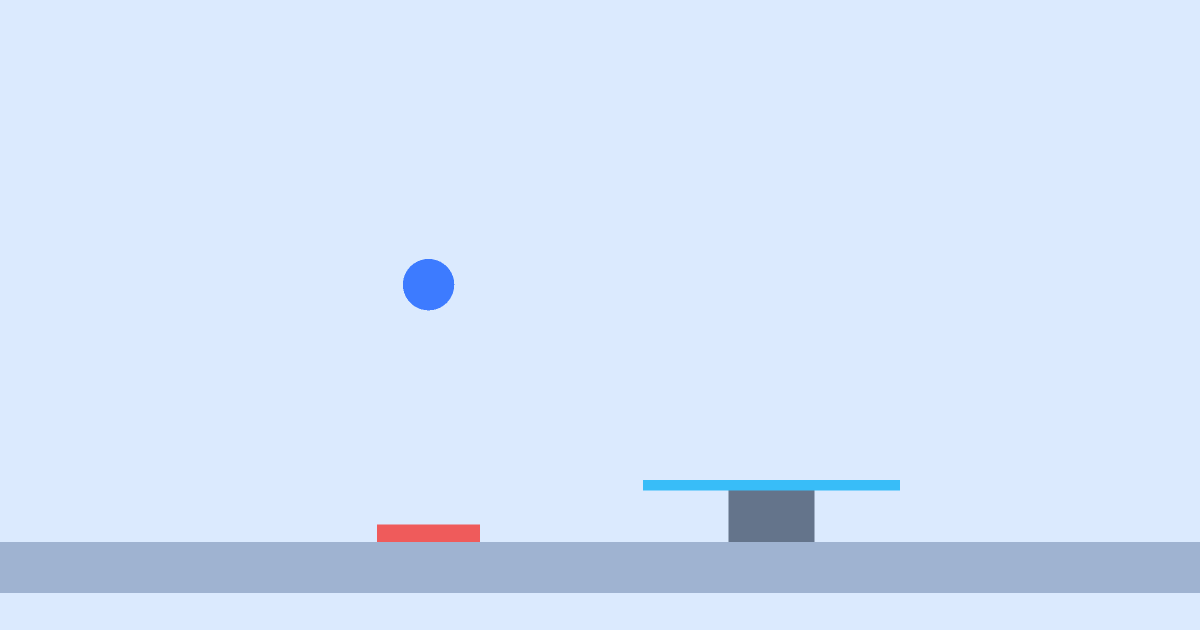
A ball drops onto a button — it turns green and the carousel motor starts. Space pushes the ball again.
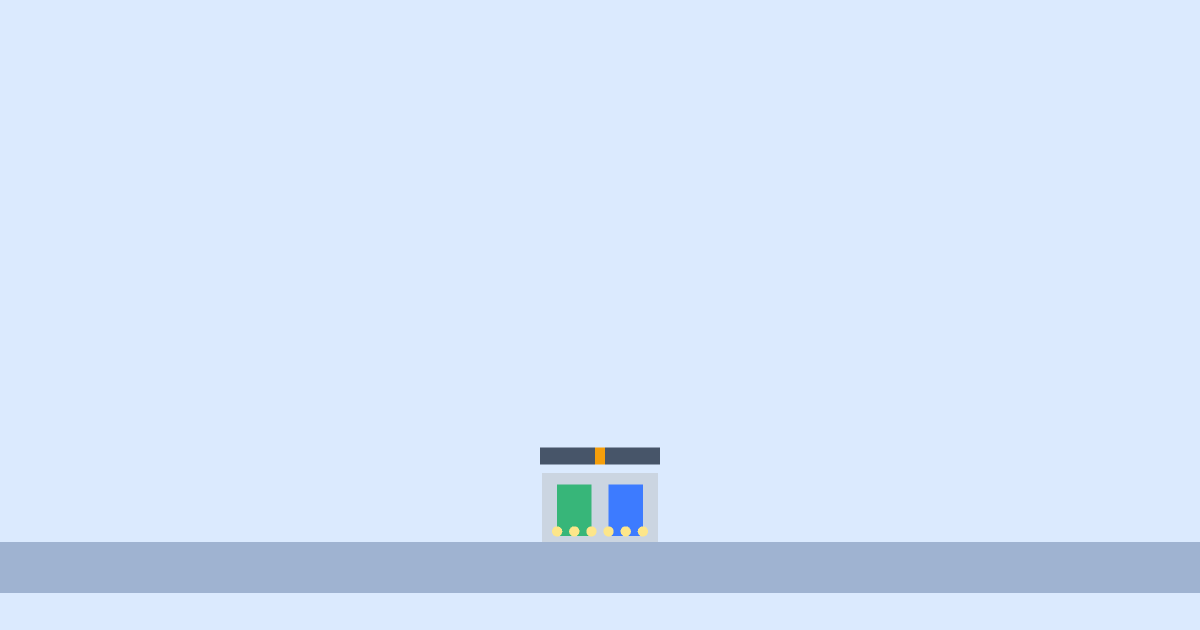
Three doors get the same push. With no closer the door stays open, with a spring only it rushes back and bangs, and with a spring and a damper it closes smoothly.
Two machines spin a drum with laundry. In the left one the load is spread evenly and the machine stays, in the right one it is in a single lump and the machine creeps across the floor.
One motor spins two beaters through gears: they turn against each other twice as fast as the motor and whip the “dough” in the bowl.
Three identical cars with locked wheels slide at the same speed on dry asphalt, wet asphalt and ice. The stopping distance on ice is eight times longer.
Two identical cars drive over two bumps. The green one has springs only, the red one springs and shock absorbers: the red body settles quickly.
A platform tilts slowly. The tall narrow bus tips first, the low one second, the wide one last. A bus in a turn behaves the same way.
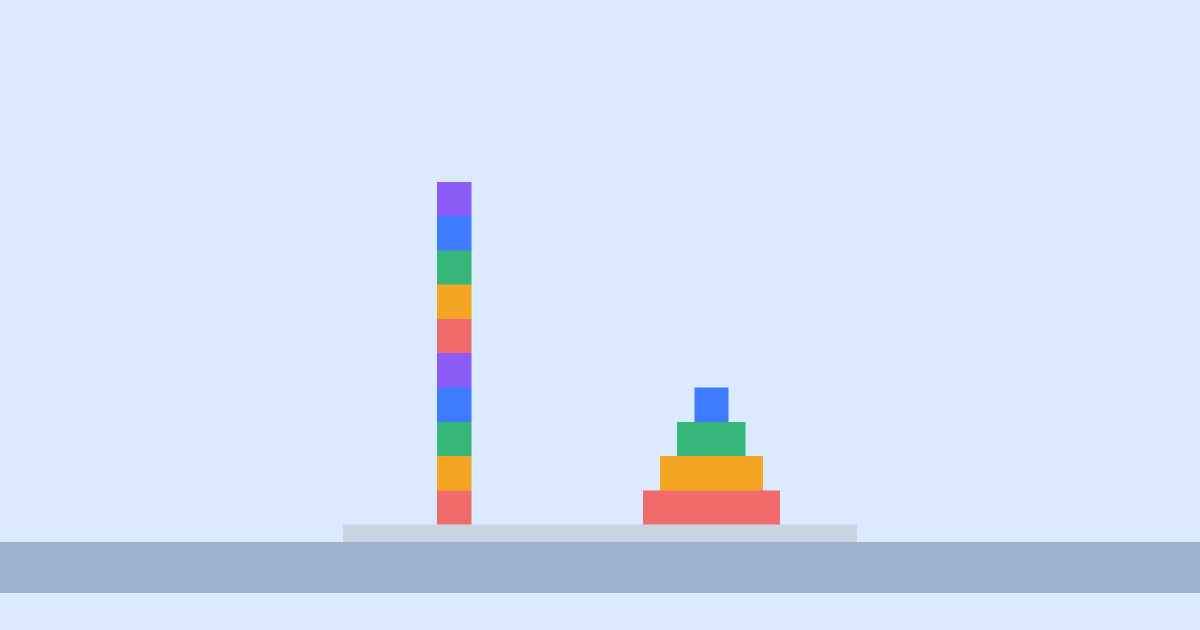
The platform sways from side to side. A tower of ten cubes falls almost at once while a pyramid of ten cubes stands.