2DAge 7+15 min
Ramp and friction: ice, wood, rubber
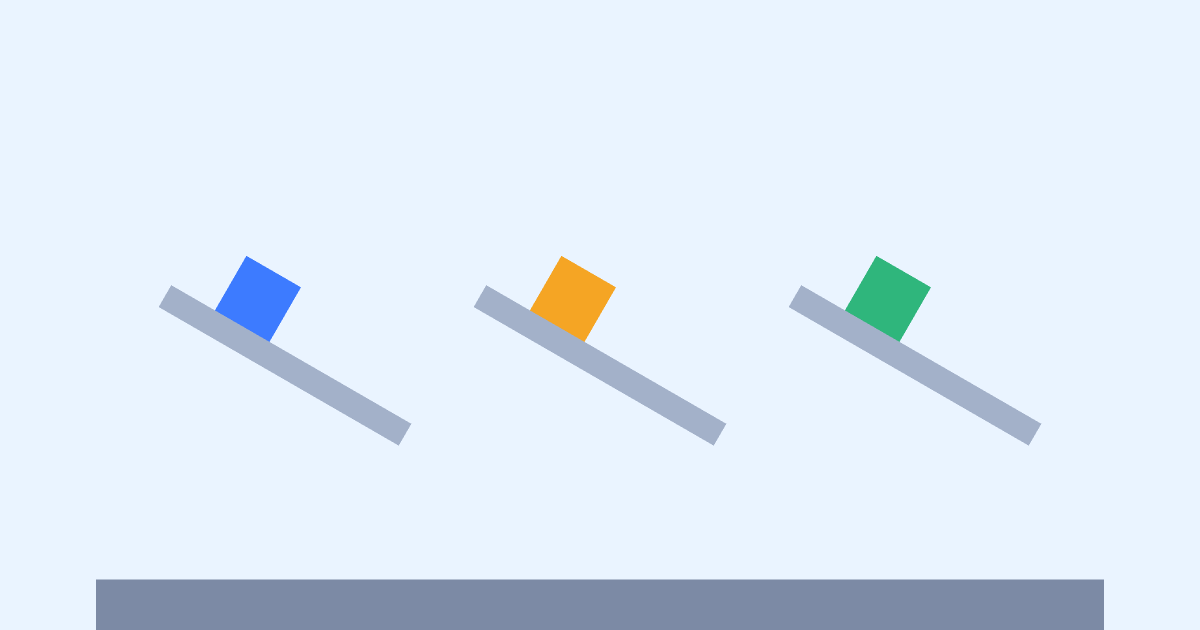
Three blocks on an inclined plane: one slides like on ice, one slowly, one stays put. A friction experiment for kids 7+.
Interactive experiments for kids, students and teachers. Run each one right on the page, then open a copy in the Tymora editor and change mass, friction, elasticity or gravity. Every experiment comes with discussion questions and a version to try at home.
Three blocks on an inclined plane: one slides like on ice, one slowly, one stays put. A friction experiment for kids 7+.
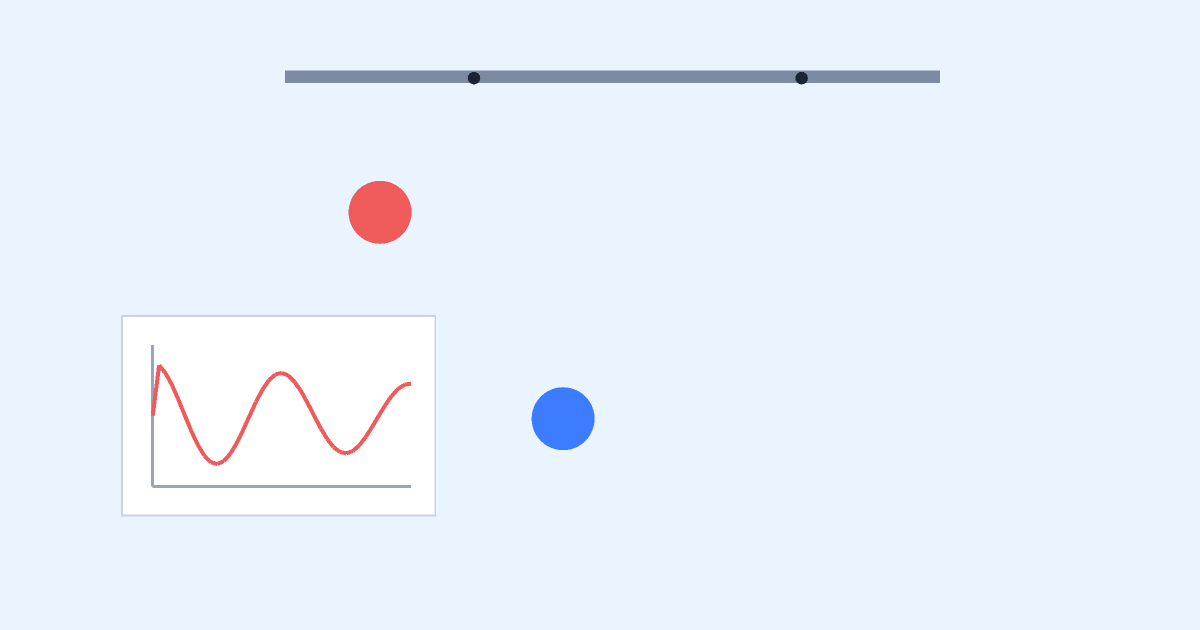
Two pendulums of different length swing side by side: the short one makes more swings. An oscillation and period experiment for kids 8+.
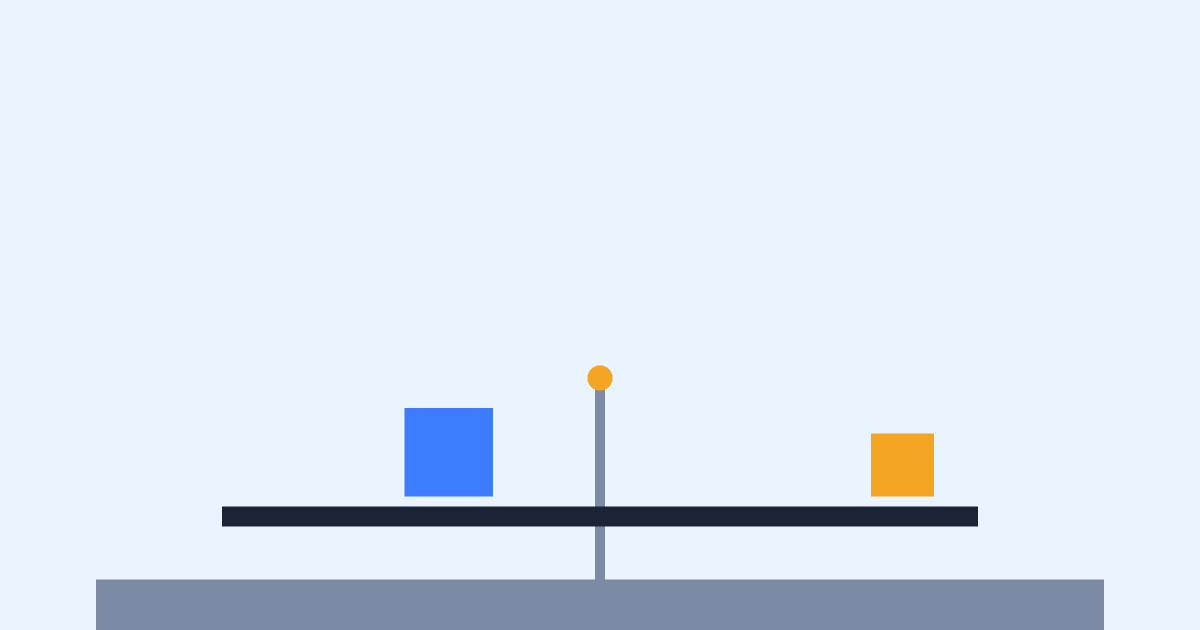
A heavy load close to the pivot balances a light one far away. An interactive lever model for kids 8+: torque and balance.
Three balls start at the same speed at 30°, 45° and 60°. Their paths and ranges are traced — a projectile motion experiment.
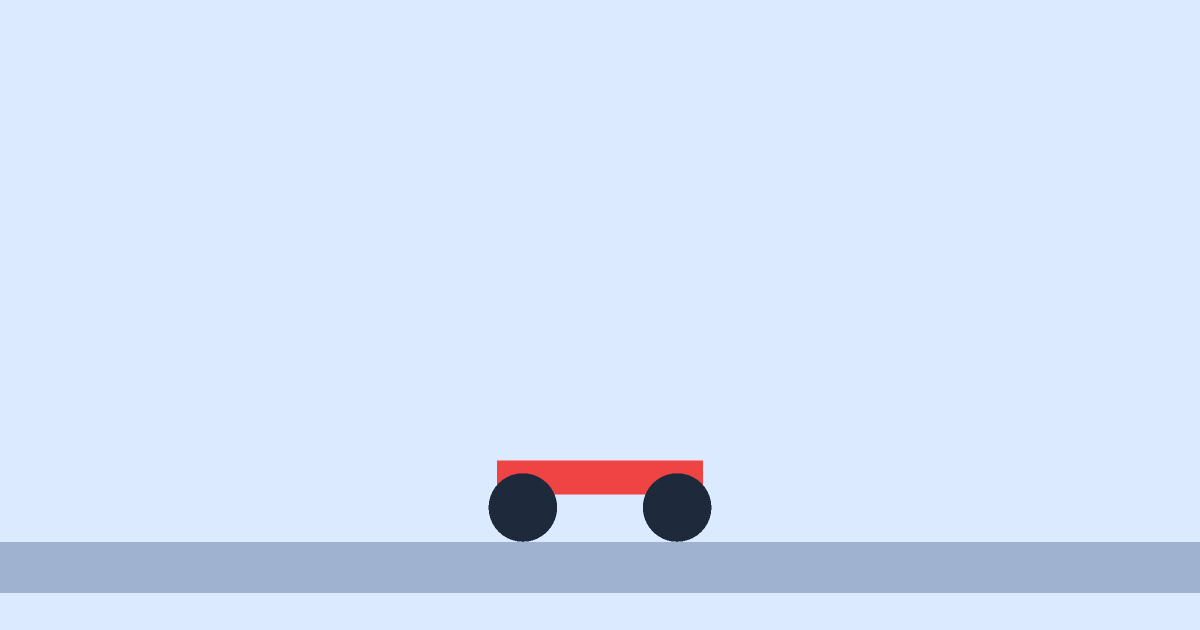
A drivable 3D car: keys W, S, A, D. Find out where the force that moves it comes from. Physics for kids 8+.
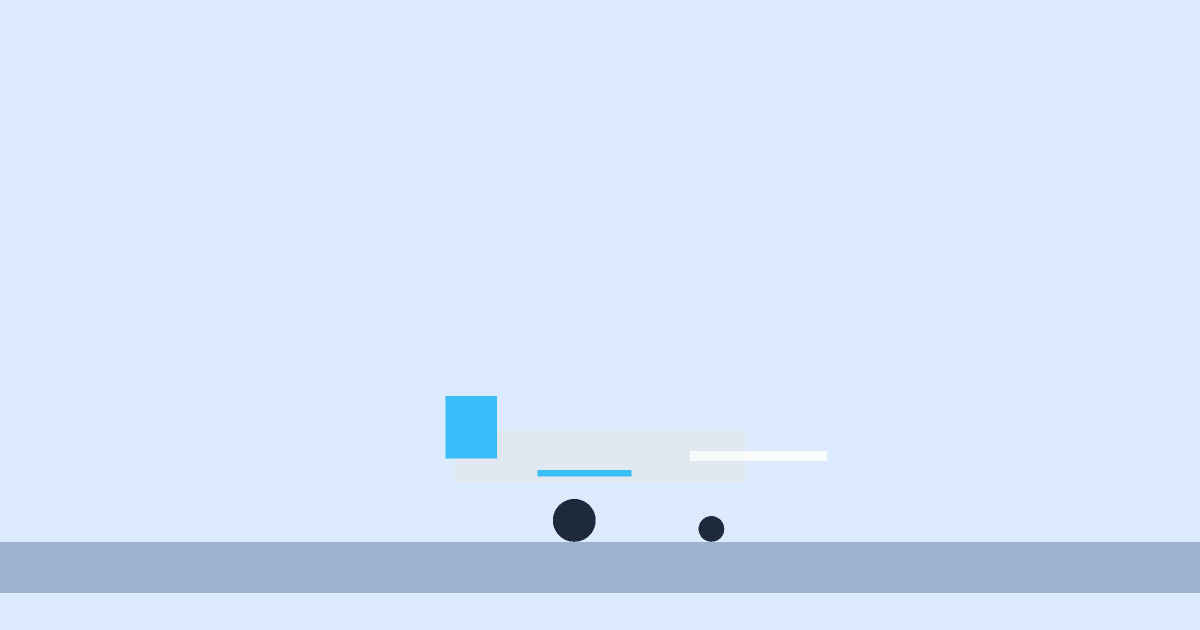
Speed a 3D airplane up and take off: the propeller gives thrust, the wing gives lift. Flight physics for kids 9+.
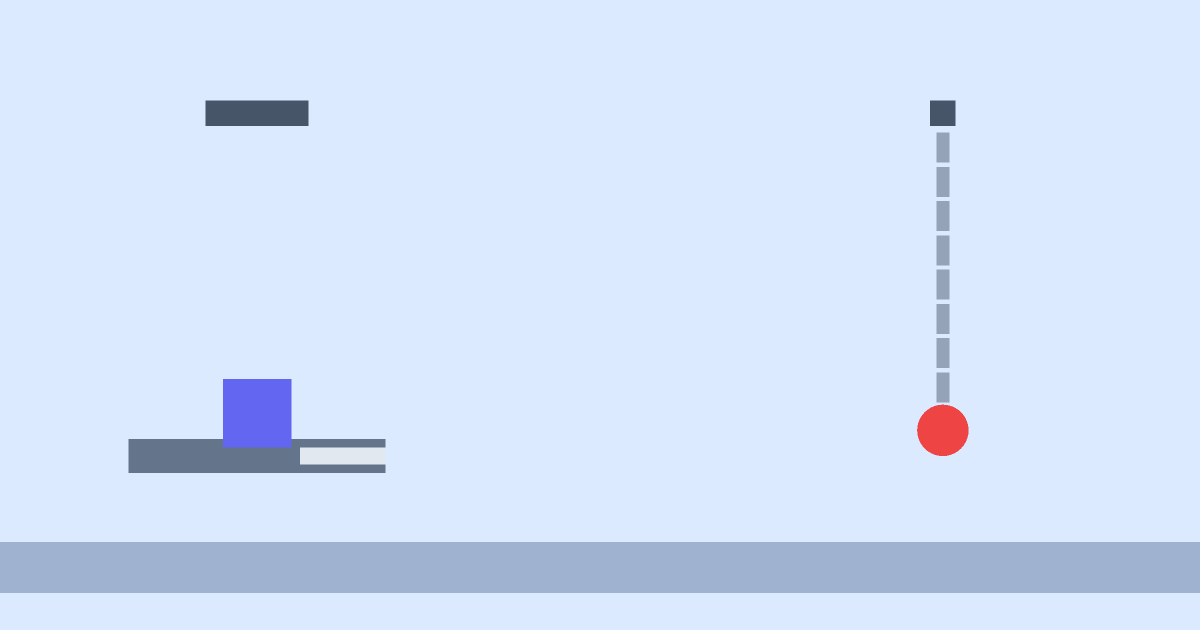
A piston on key P, a weight on a spring and a ball on a chain in one 3D scene. Mechanics for kids 9+.
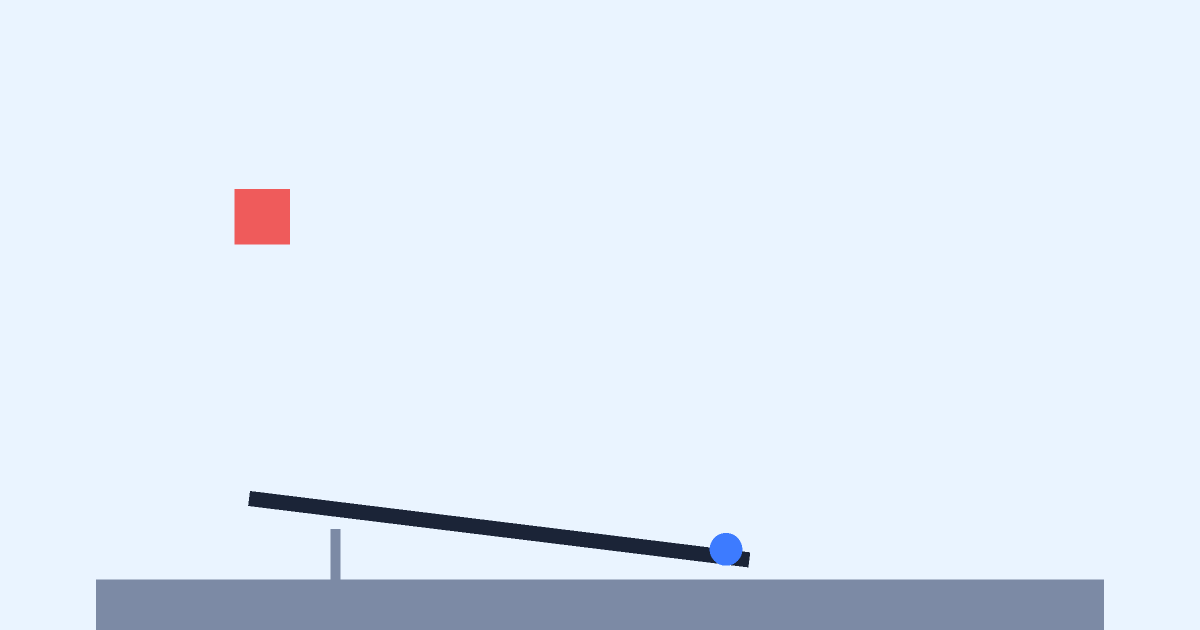
A heavy weight drops onto the short arm of a lever and throws a light ball from the long one. A levers and energy experiment for kids 9+.
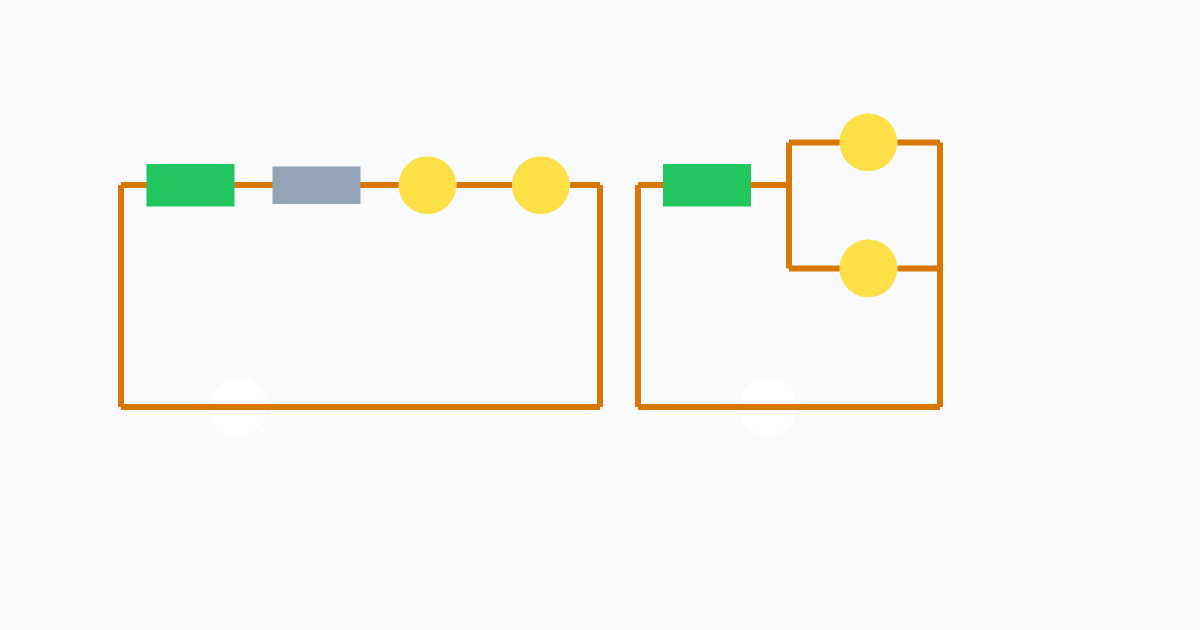
Two bulbs one after another and two bulbs side by side: compare brightness, current and voltage. Click the switch — the circuit is live.
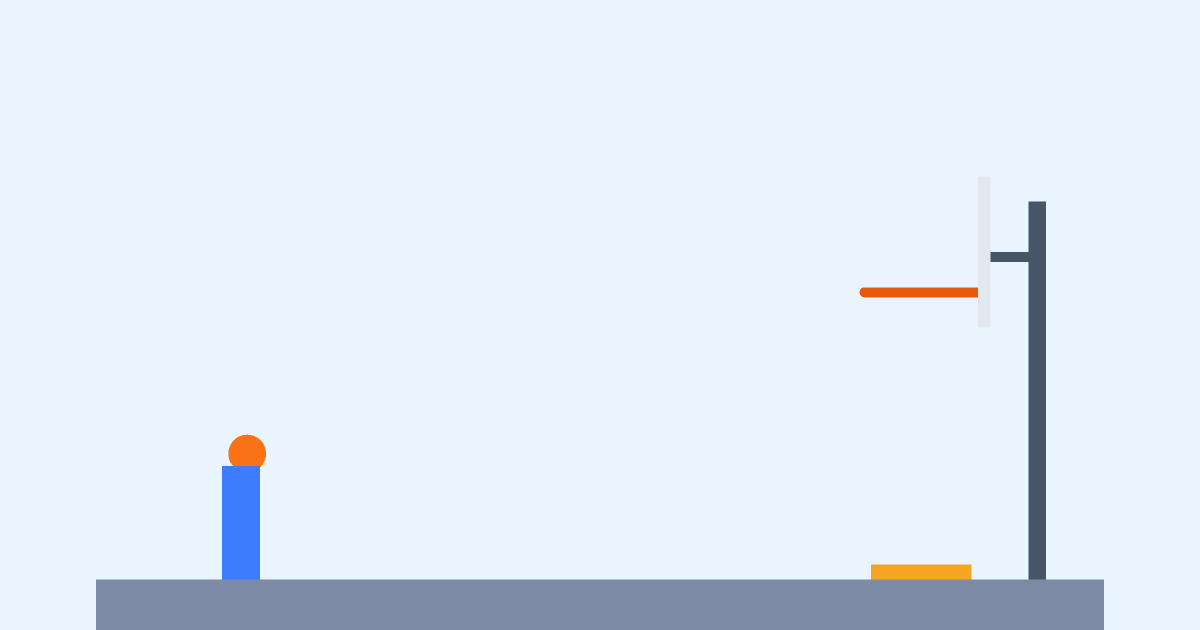
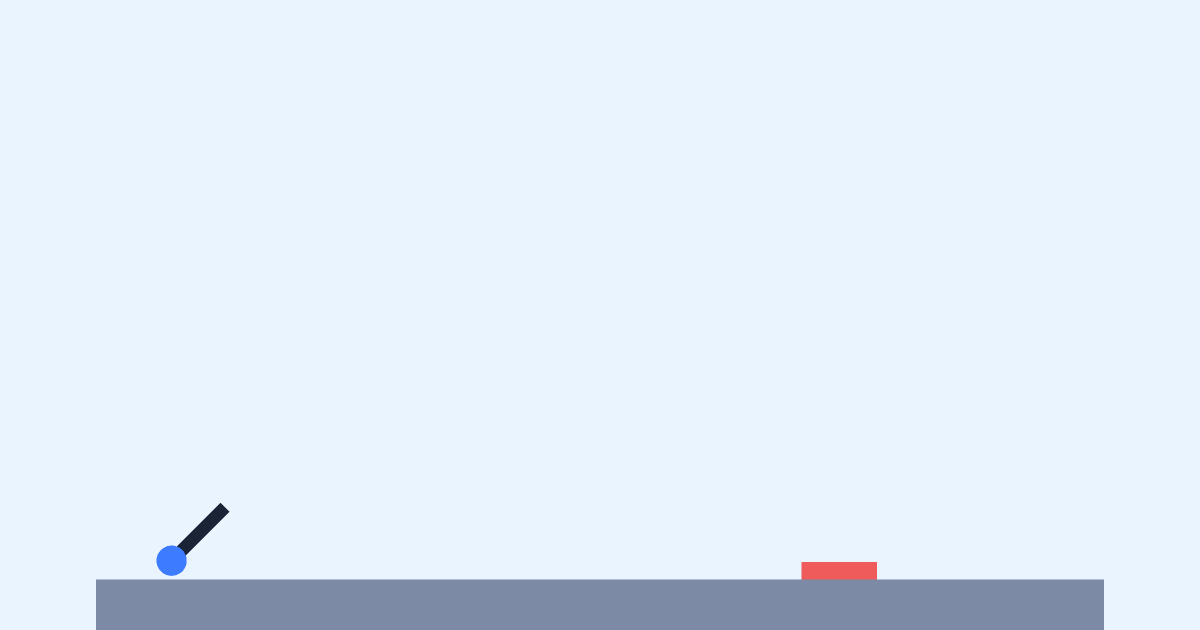
A ball flies along a parabola toward the hoop. Tune the speed and angle; the sensor under the basket turns green on a score.
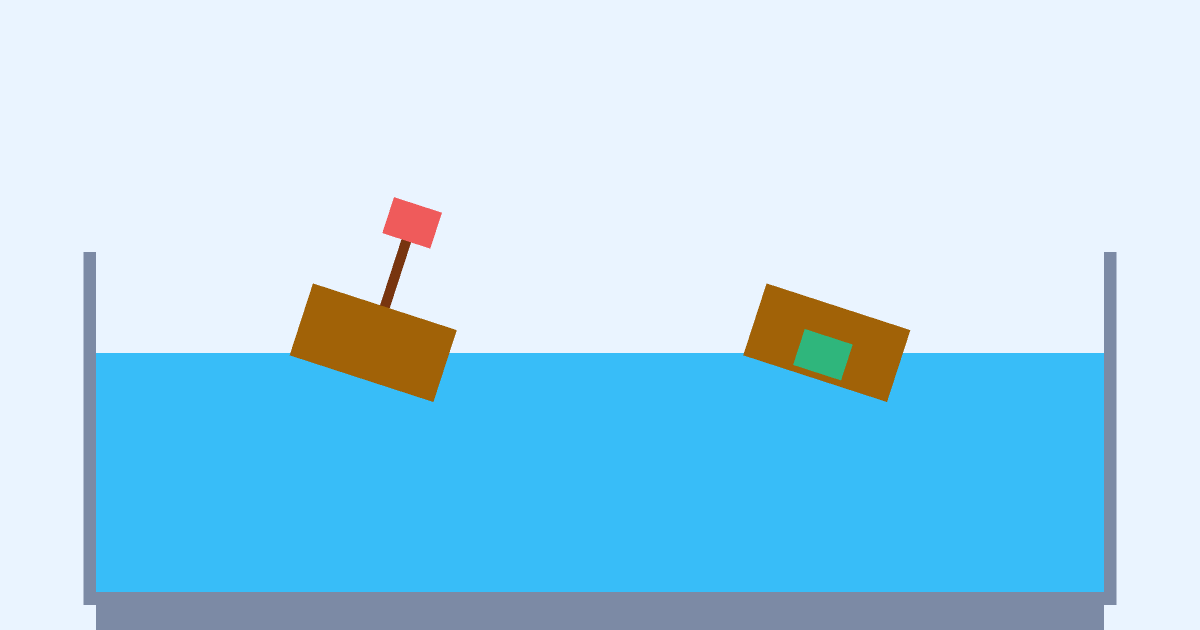
Two identical boats are heeled over. Cargo high on a mast capsizes one, cargo in the hold rights the other.
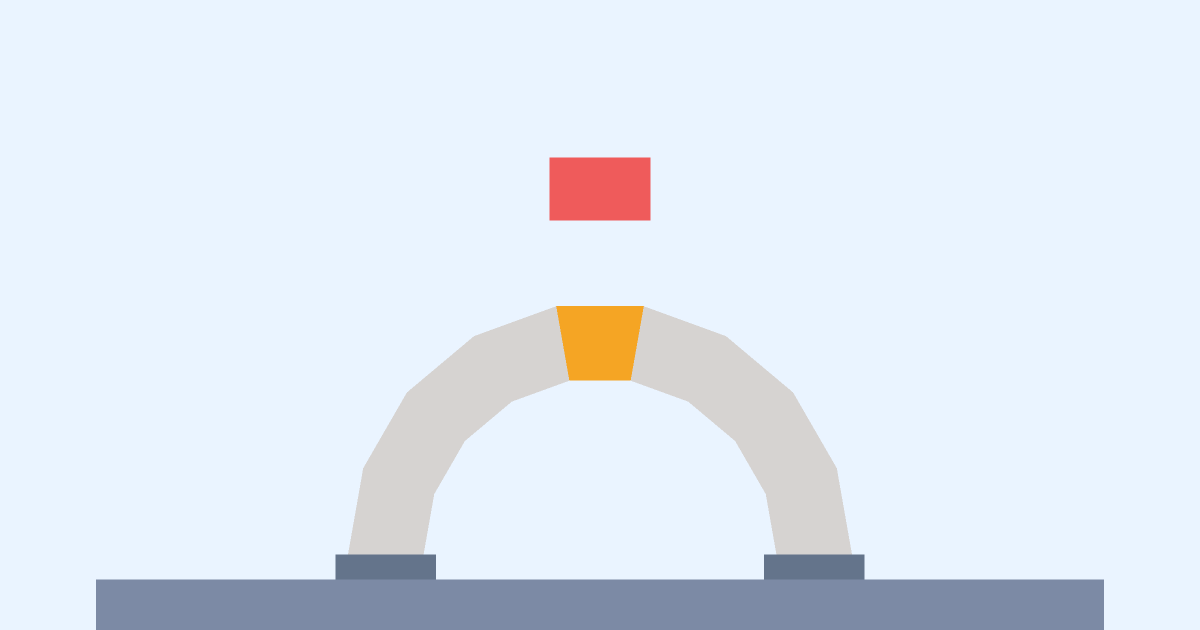
Nine wedge stones hold each other and a load on top. Remove the keystone and the arch collapses.
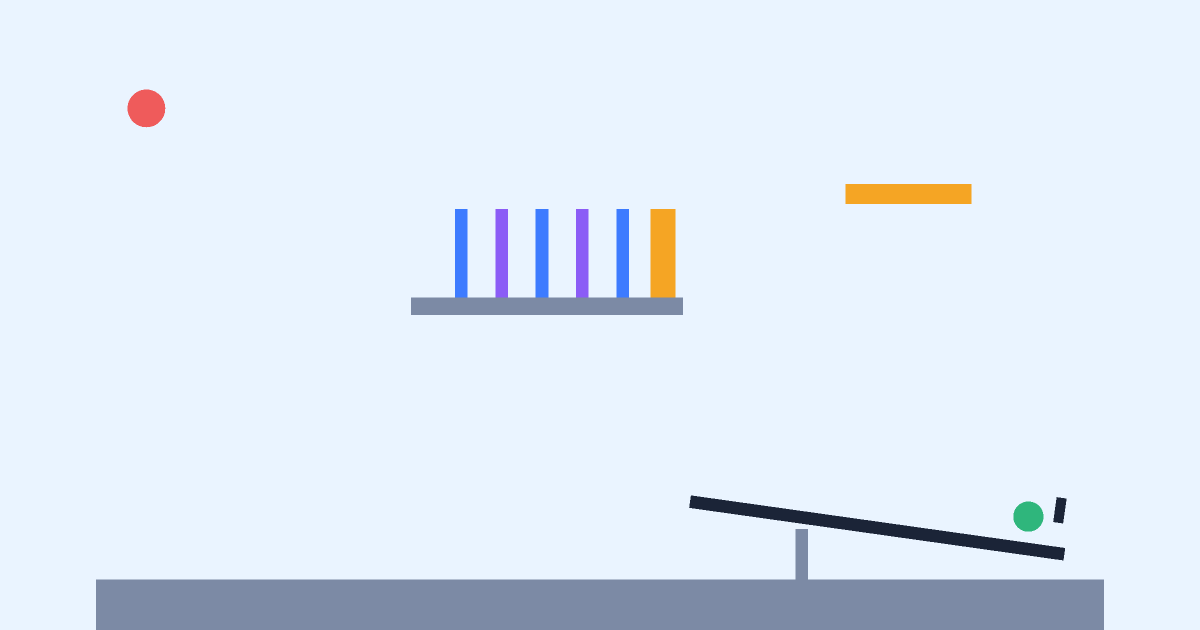
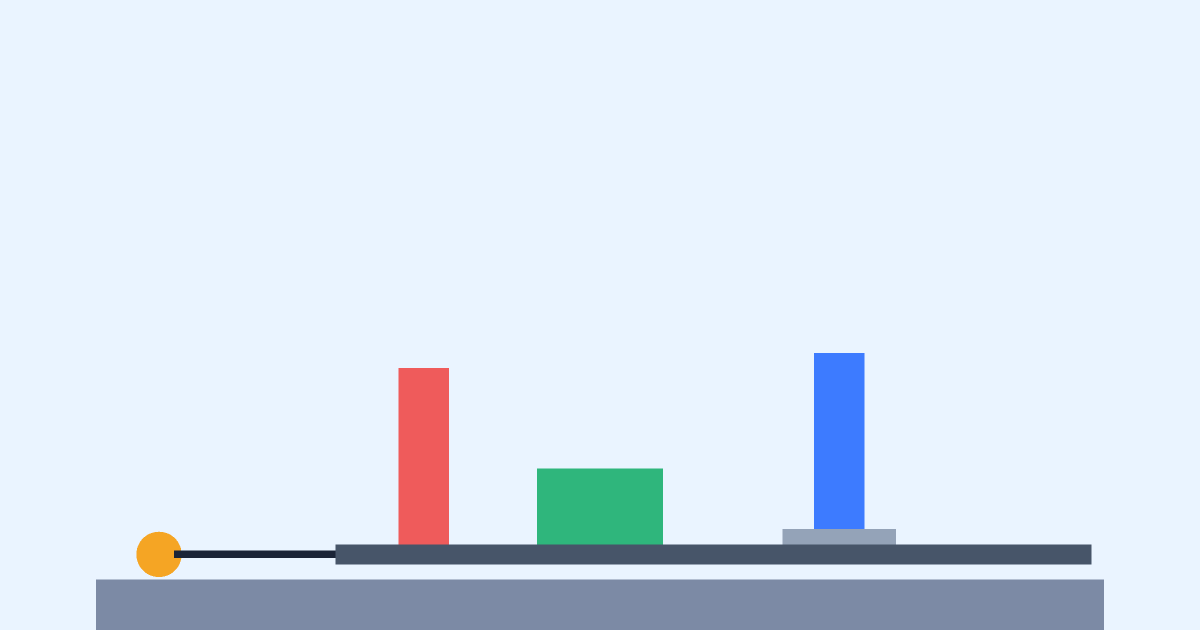
A ball rolls down a ramp, topples dominoes, the last one hits a lever, which tosses a ball — and the ‘bell’ rings.
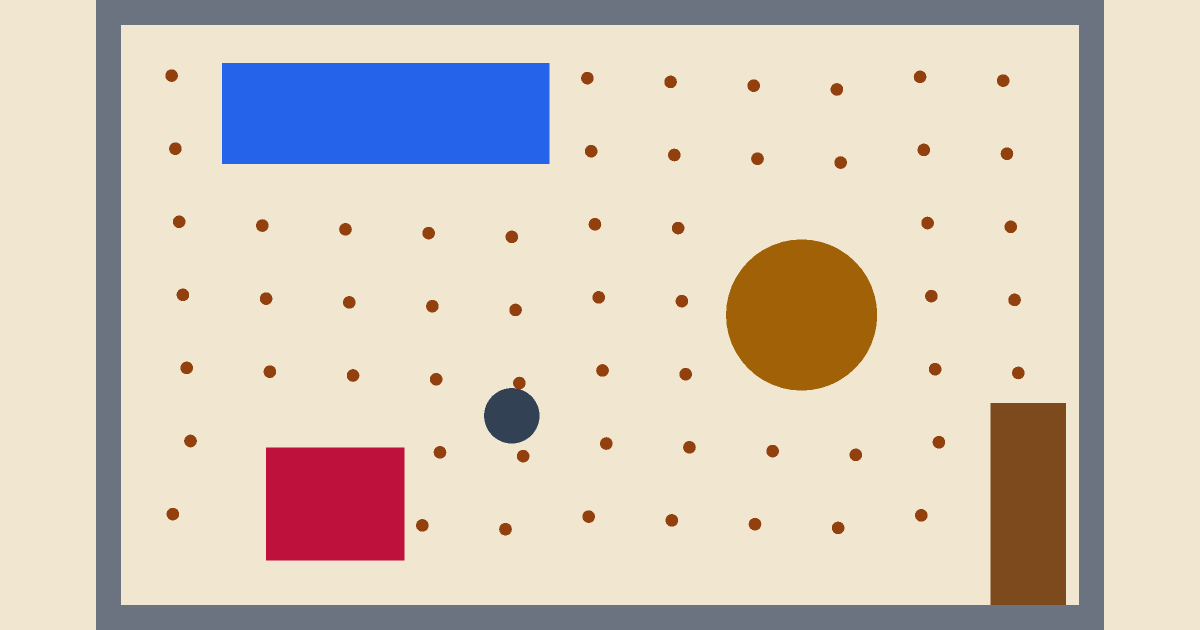
A top view: the robot bounces off furniture and picks up crumbs. A touch sensor removes each crumb and timer rules change its course.
A crank mechanism shakes the platform. A narrow tower falls, a wide house stands, and the same tower on soft springs and dampers survives the shaking.
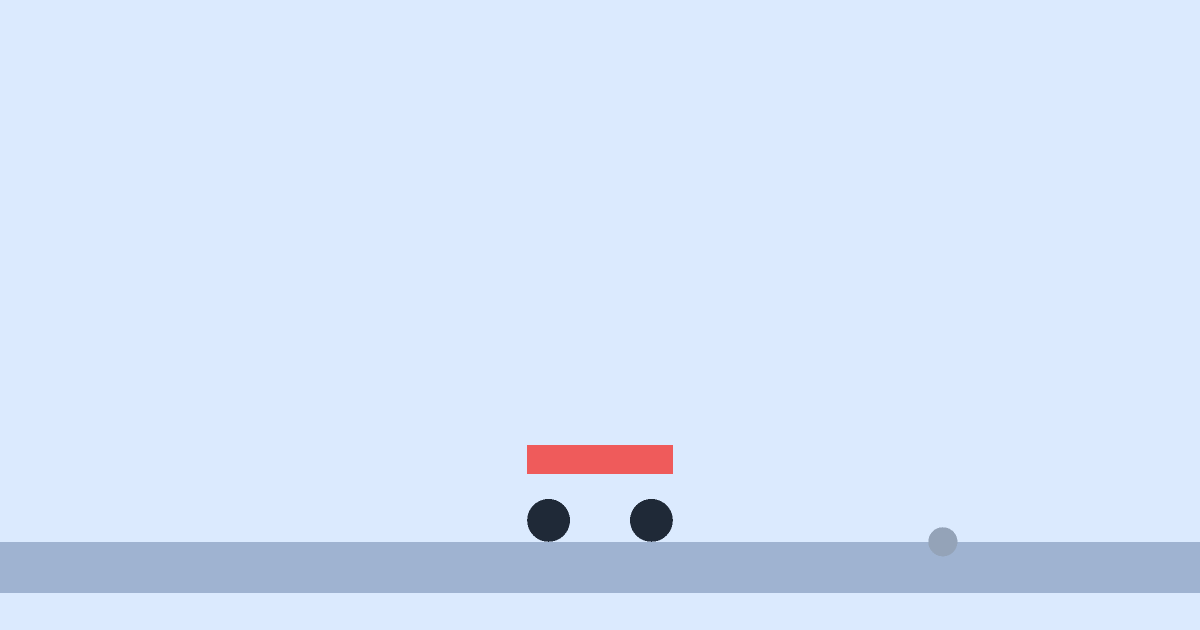
Two identical cars drive over two bumps. The green one has springs only, the red one springs and shock absorbers: the red body settles quickly.
Change the angle and speed with sliders and watch the path change. Captions show the time, the ball position and the range from the formula.