2DAge 8+15 min
Seesaw lever: the balance rule
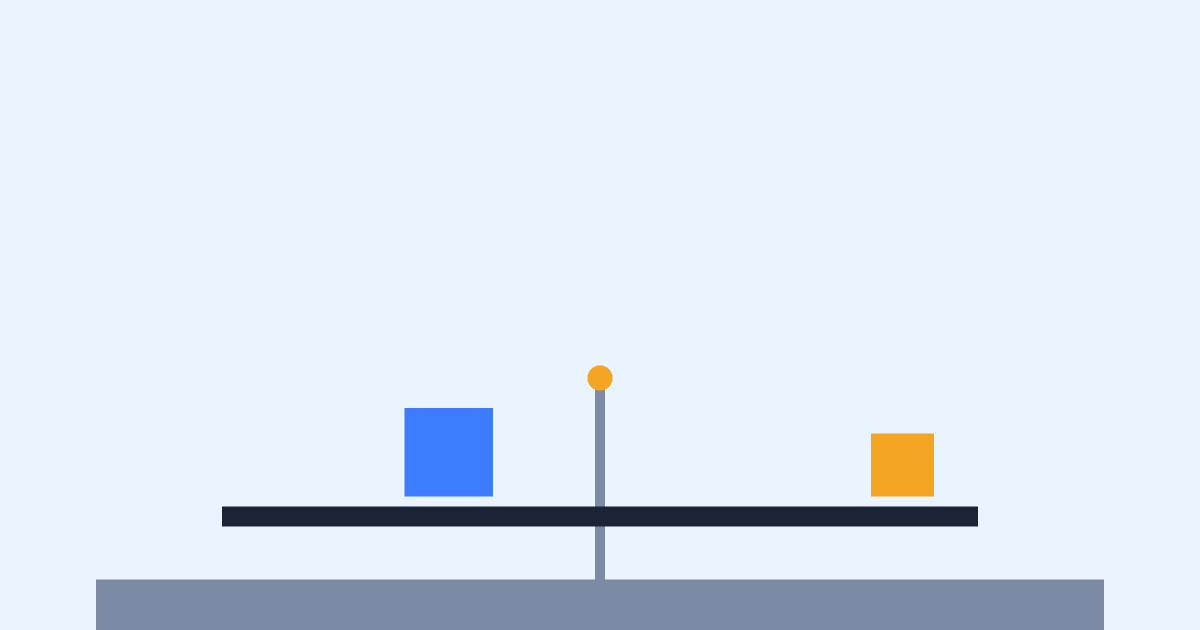
A heavy load close to the pivot balances a light one far away. An interactive lever model for kids 8+: torque and balance.
Interactive experiments for kids, students and teachers. Run each one right on the page, then open a copy in the Tymora editor and change mass, friction, elasticity or gravity. Every experiment comes with discussion questions and a version to try at home.
A heavy load close to the pivot balances a light one far away. An interactive lever model for kids 8+: torque and balance.
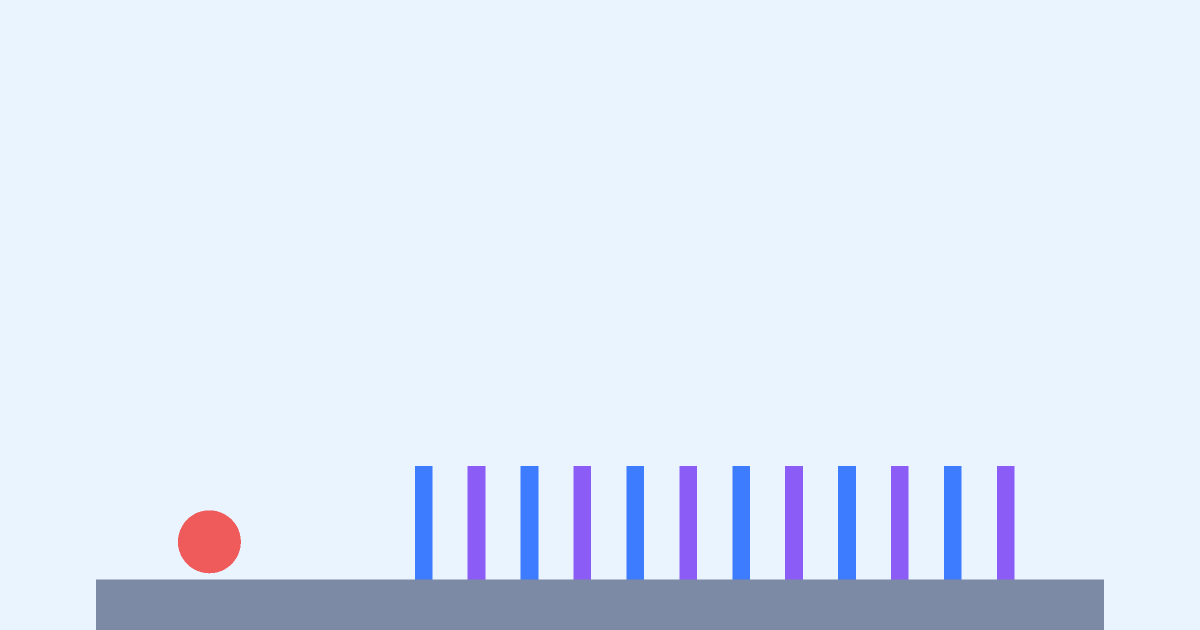
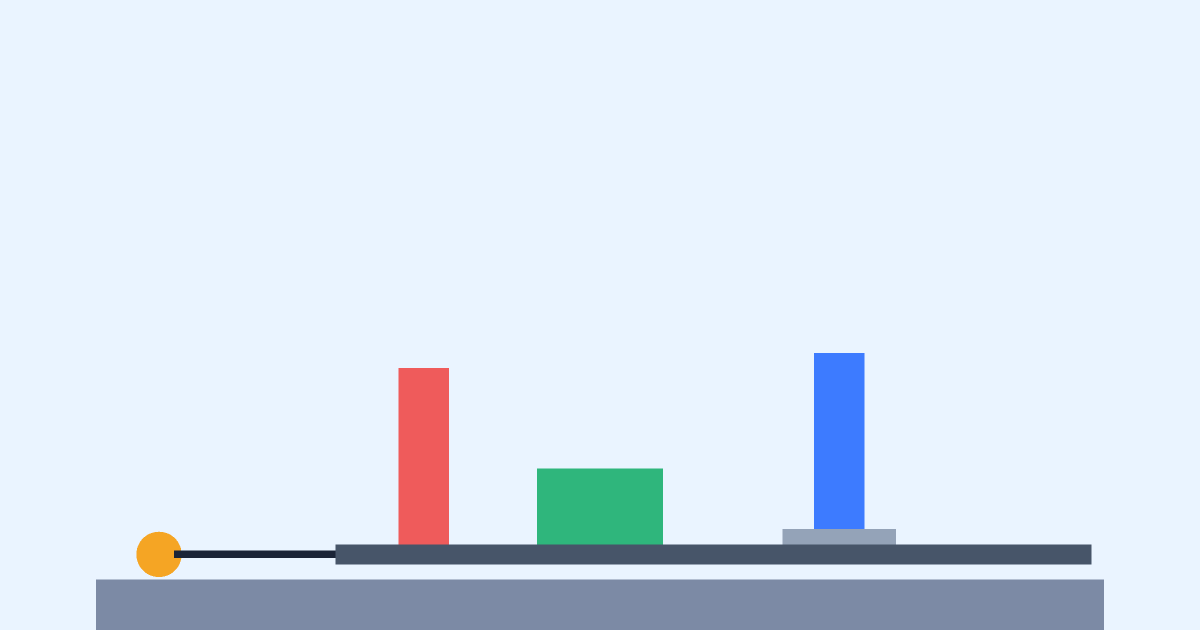
A ball pushes the first domino and a wave of falling runs through the whole row. An energy and chain reaction experiment for kids 5+.
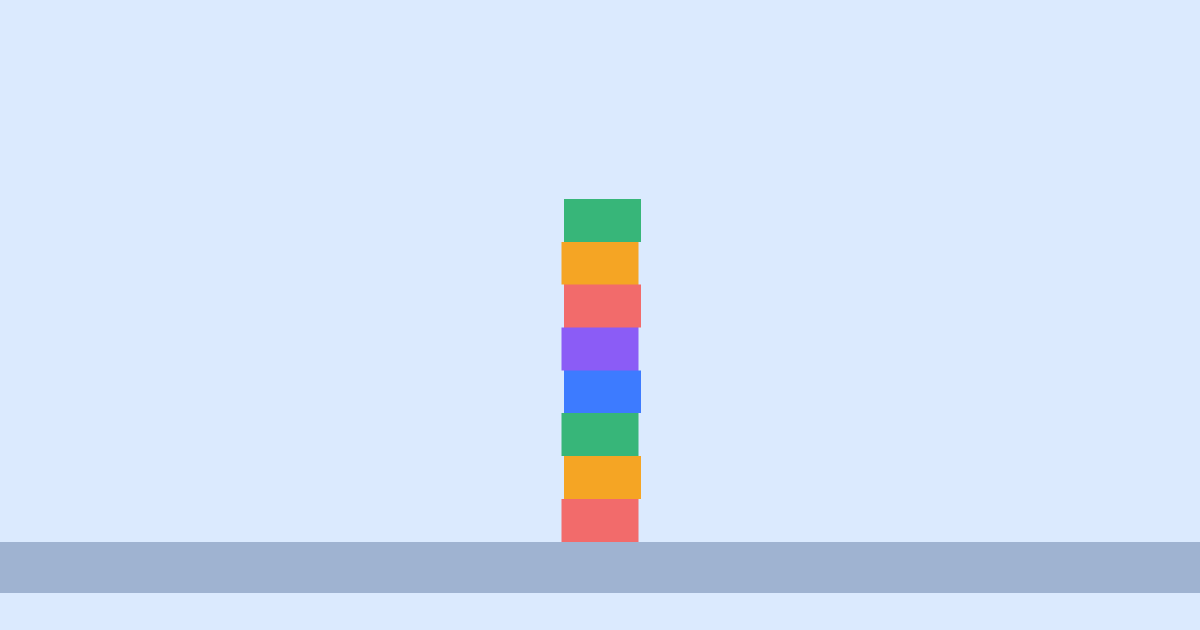
A 3D tower of blocks and a heavy ball crashing into it. Orbit the camera and see why the tower falls. Physics for kids 6+.
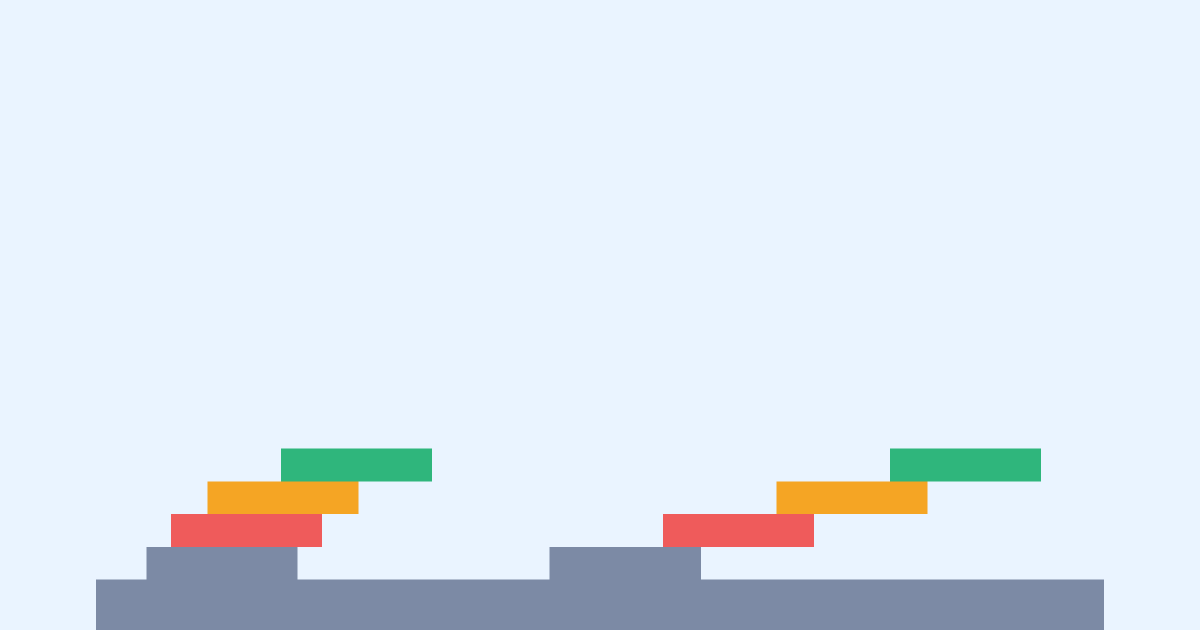
Two stacks of books: one with a careful overhang and one with too much. One stands, the other falls — the center of mass decides.
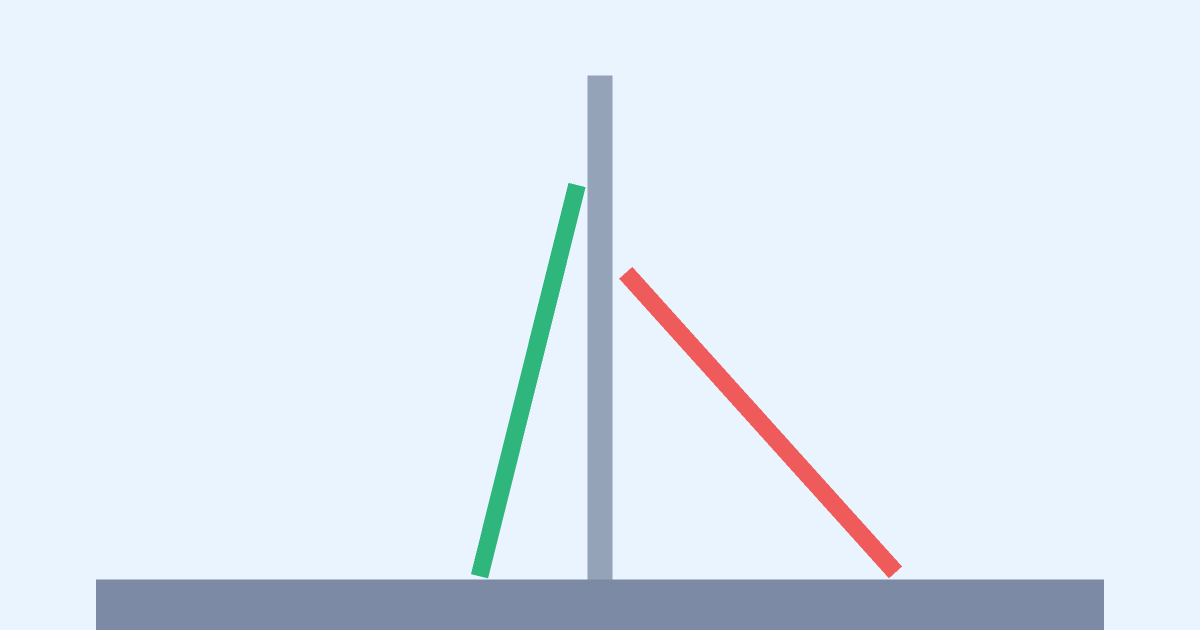
Two ladders lean on a wall: the steep one stands, the shallow one slides. Find out why ladders are set at about 15°.
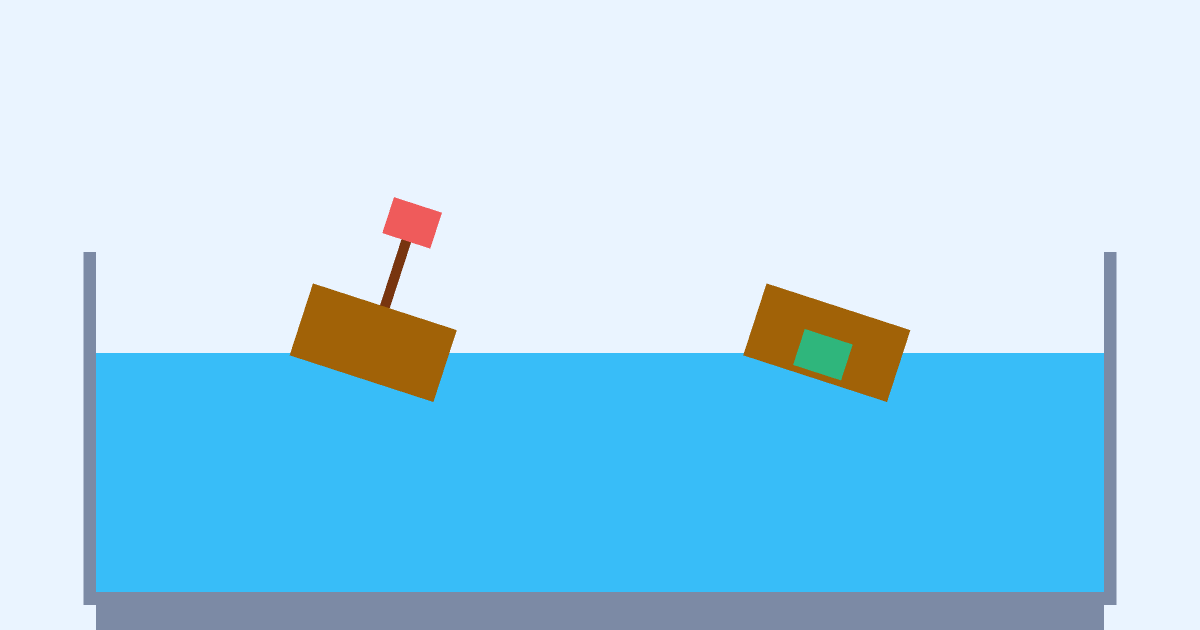
Two identical boats are heeled over. Cargo high on a mast capsizes one, cargo in the hold rights the other.
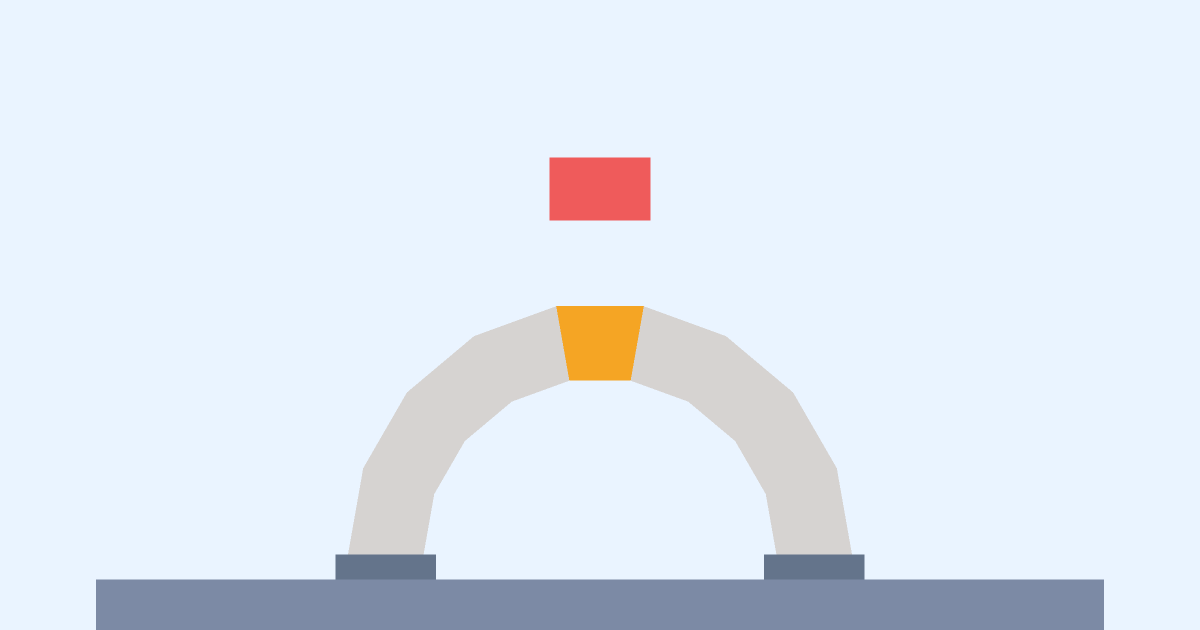
Nine wedge stones hold each other and a load on top. Remove the keystone and the arch collapses.
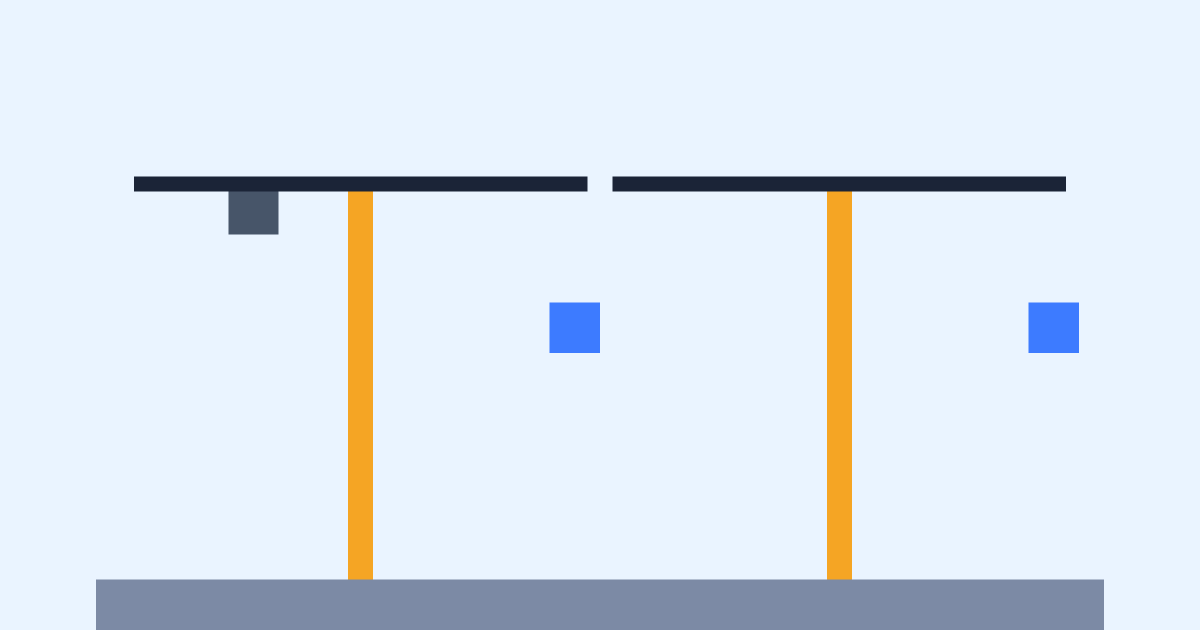
Two cranes hold the same load. One has a counterweight and its jib stays level; the other’s jib tips over.
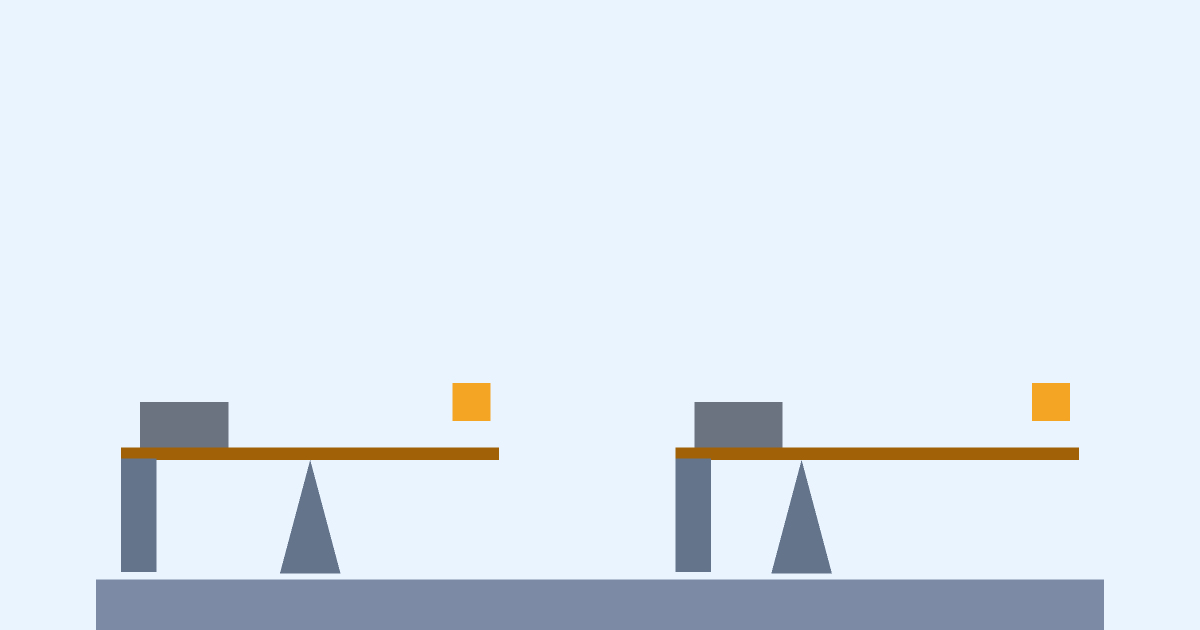
A 20 kg load on the long arm lifts a 50 kg stone when the fulcrum is close to the stone. With the fulcrum in the middle the stone stays put.
A crank mechanism shakes the platform. A narrow tower falls, a wide house stands, and the same tower on soft springs and dampers survives the shaking.
A platform tilts slowly. The tall narrow bus tips first, the low one second, the wide one last. A bus in a turn behaves the same way.
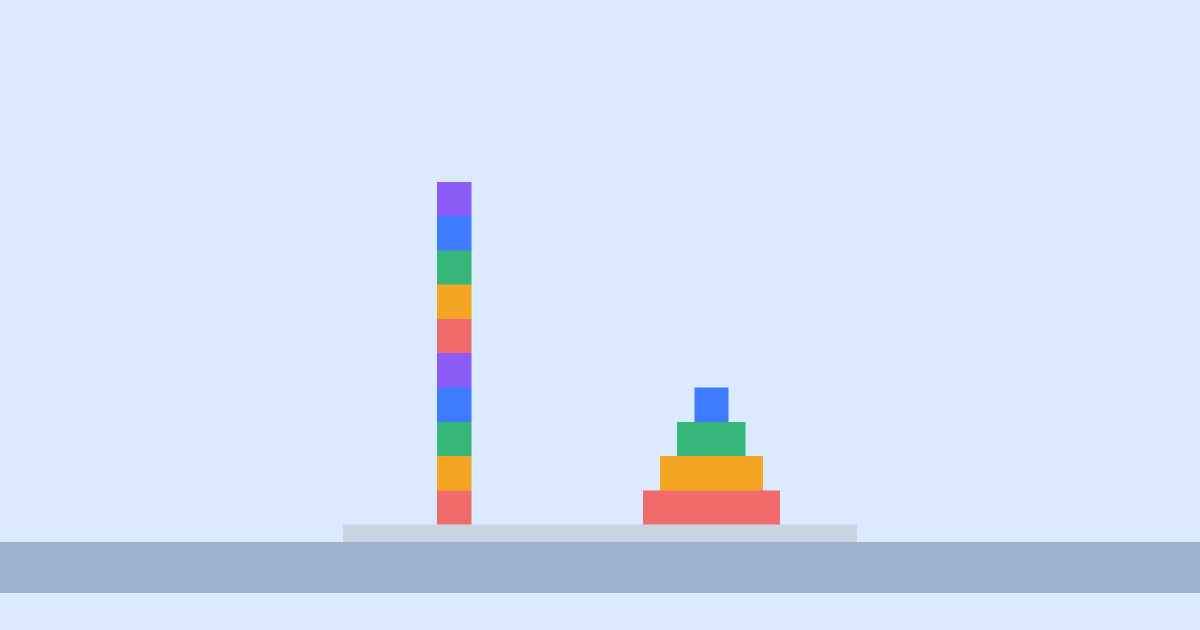
The platform sways from side to side. A tower of ten cubes falls almost at once while a pyramid of ten cubes stands.