2DAge 5+10 min
Bouncing balls: what is elasticity
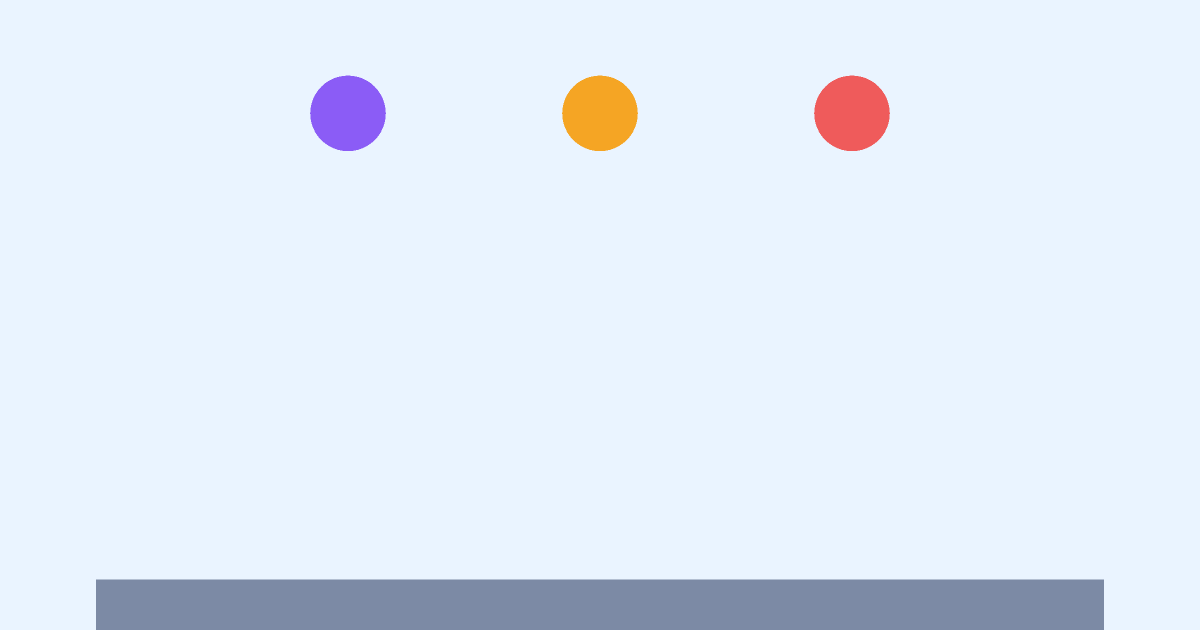
Three balls fall from the same height but bounce differently. A simple physics experiment for kids 5+: elasticity, energy and rebound.
Interactive experiments for kids, students and teachers. Run each one right on the page, then open a copy in the Tymora editor and change mass, friction, elasticity or gravity. Every experiment comes with discussion questions and a version to try at home.
Three balls fall from the same height but bounce differently. A simple physics experiment for kids 5+: elasticity, energy and rebound.
Galileo’s classic experiment, made interactive: a heavy and a light ball fall from the same height. Which lands first? Physics for kids 6+.
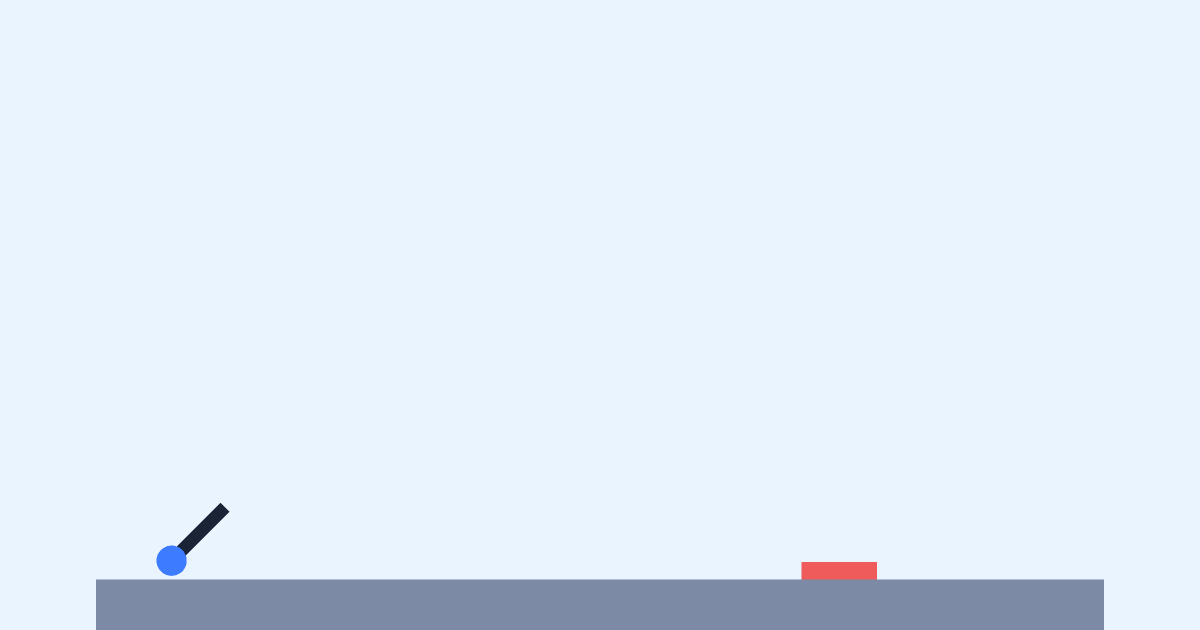
Three balls start at the same speed at 30°, 45° and 60°. Their paths and ranges are traced — a projectile motion experiment.
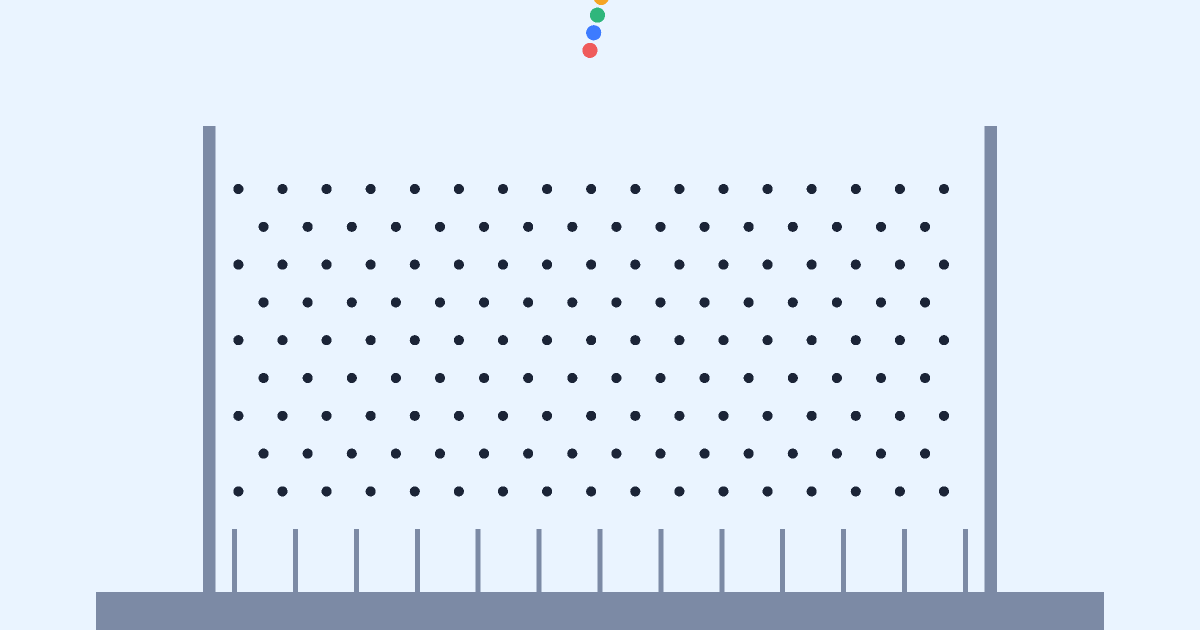
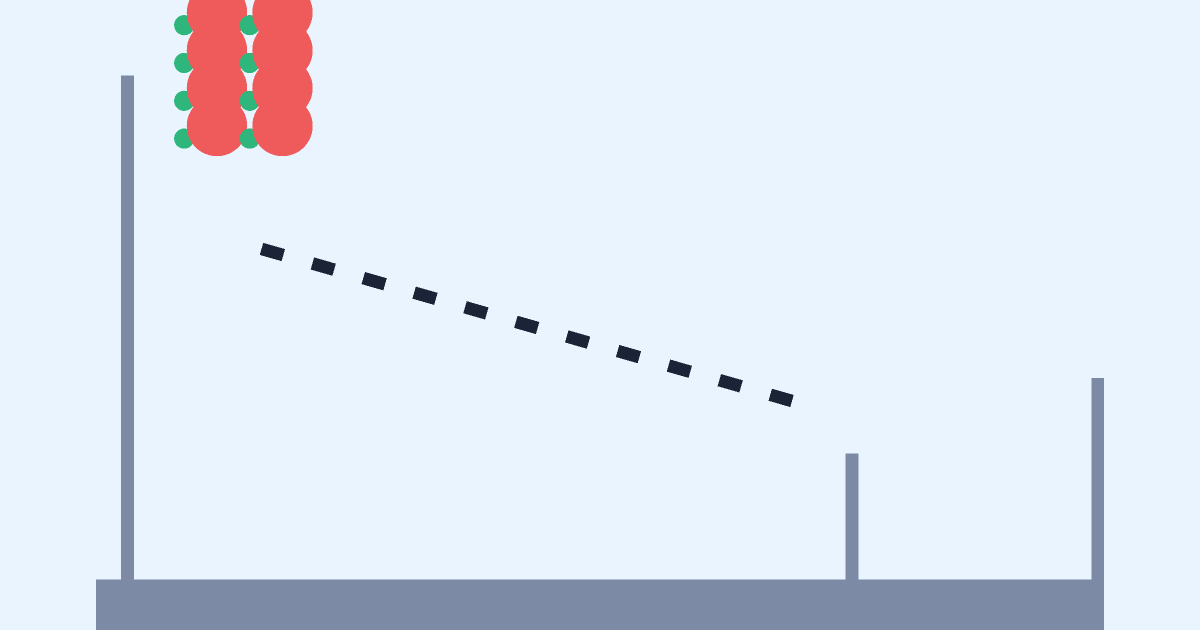
Balls fall through rows of pegs and pile up in a bell shape. Hands-on probability and the normal distribution for kids 9+.
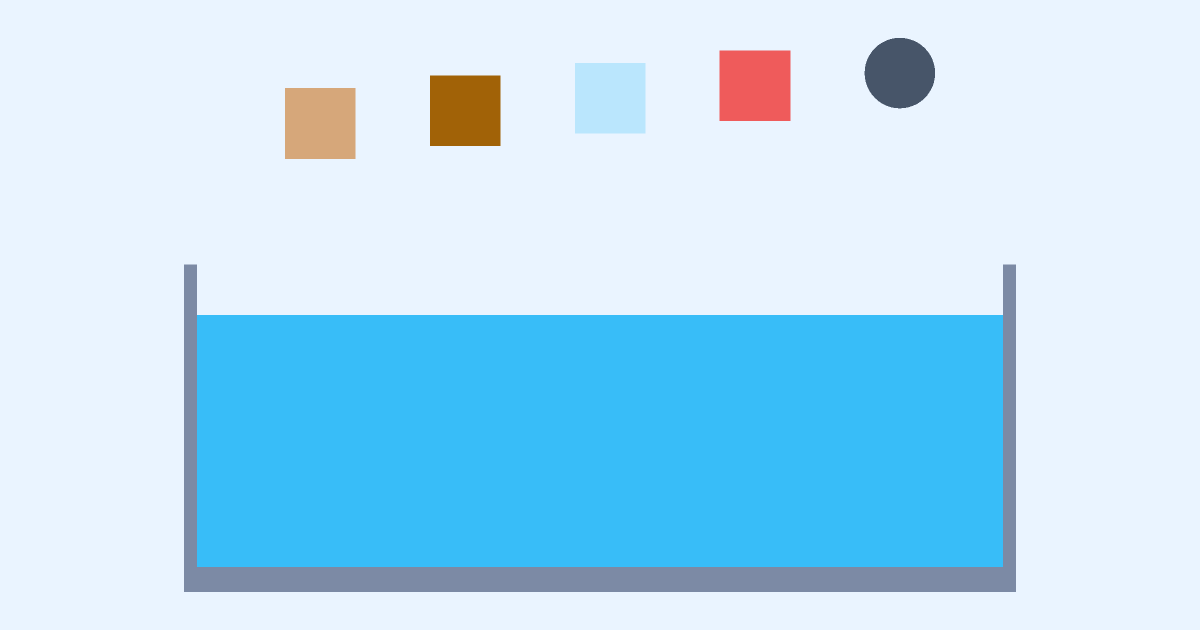
Five bodies of different density drop into water: cork, wood, ice, brick and an iron ball. Which sink and which float?
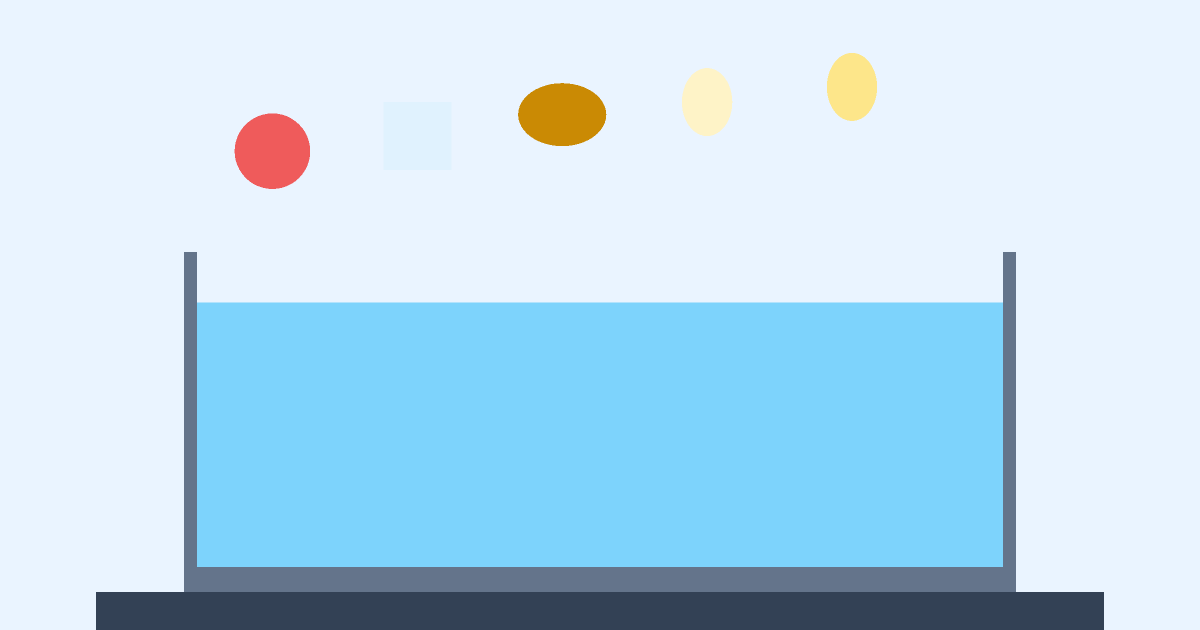
We drop an apple, ice, a potato, a fresh and an old egg into water. Who floats and who sinks? Density decides.
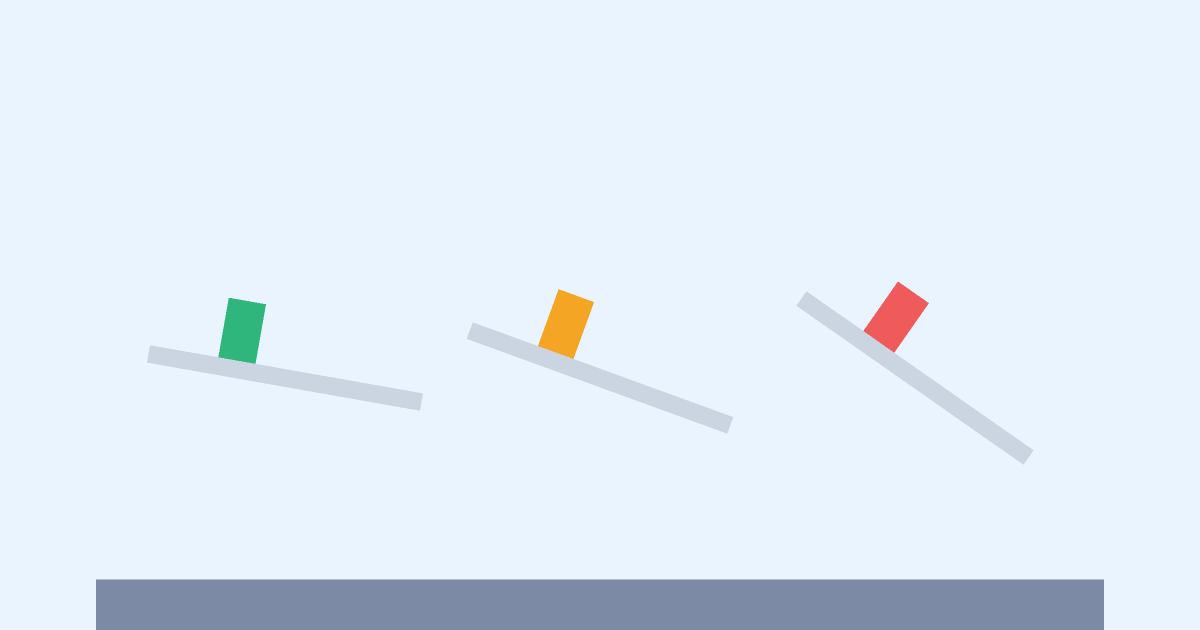
Identical salt shakers stand on trays tilted 10°, 20° and 35°. Find the angle where static friction no longer holds.
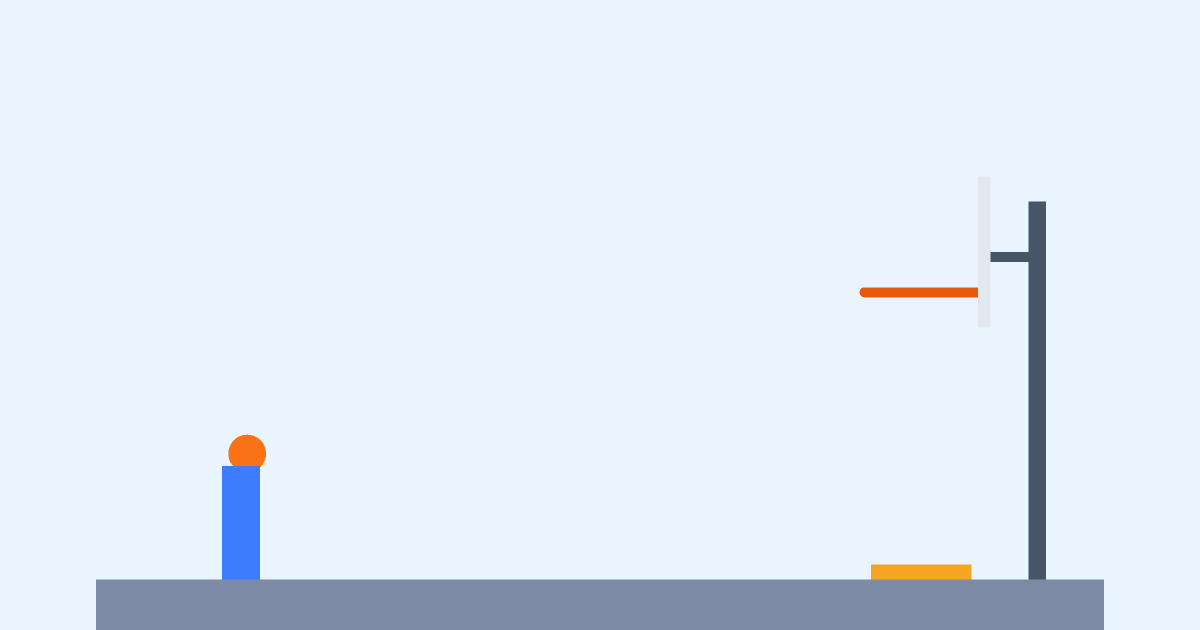
A ball flies along a parabola toward the hoop. Tune the speed and angle; the sensor under the basket turns green on a score.
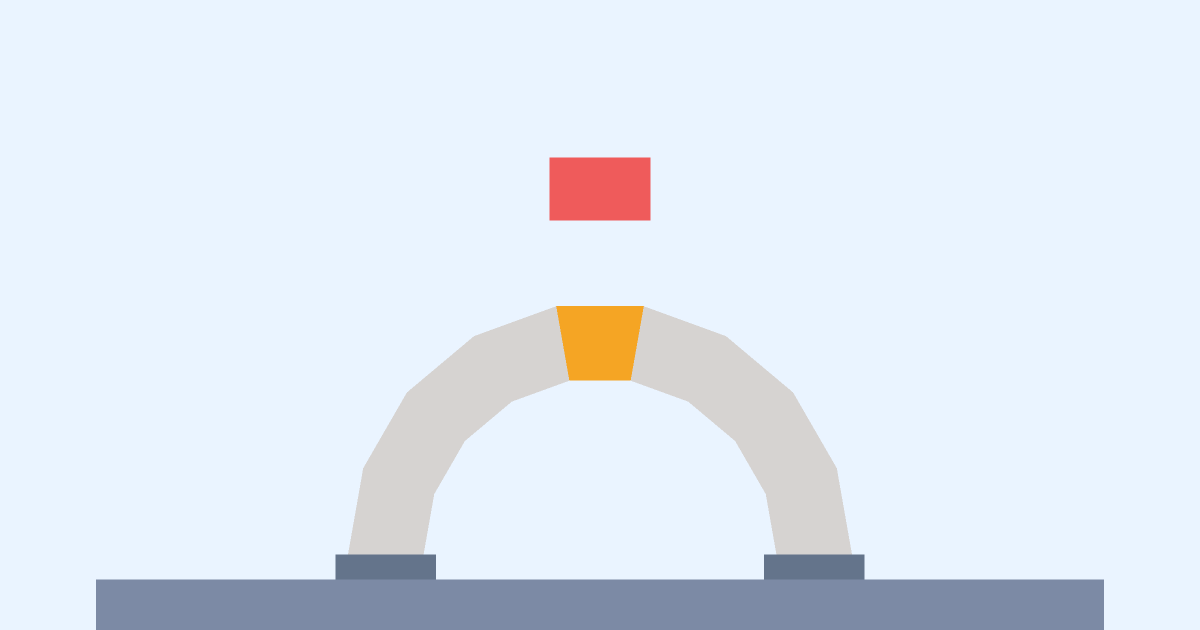
Nine wedge stones hold each other and a load on top. Remove the keystone and the arch collapses.
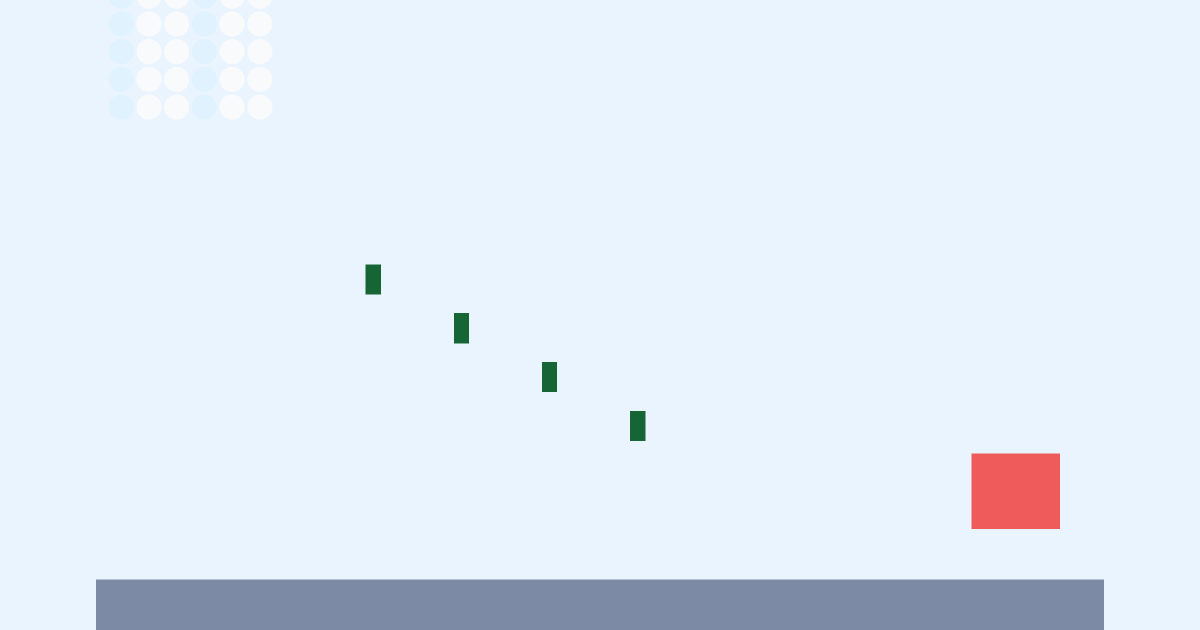
Snowballs roll down a mountain. Rows of trees on the slope slow the avalanche so less snow reaches the house.
Small and large balls pour onto a tilted grate. The small ones drop into the left bin, the big ones roll on to the right.
Weights of 0.5, 1 and 2 kg and one unknown hang on identical springs. A spring stretches in proportion to the load, so the ruler reveals the mass.
A boy jumps at the same speed as on Earth, but gravity here is lunar (1.62 m/s²). Marks show the jump height on Earth and on the Moon.
A platform tilts slowly. The tall narrow bus tips first, the low one second, the wide one last. A bus in a turn behaves the same way.
A neat business card built from 32 tiles, each with its own physics body. Press “Run” and the layout crumbles and drops to the floor.
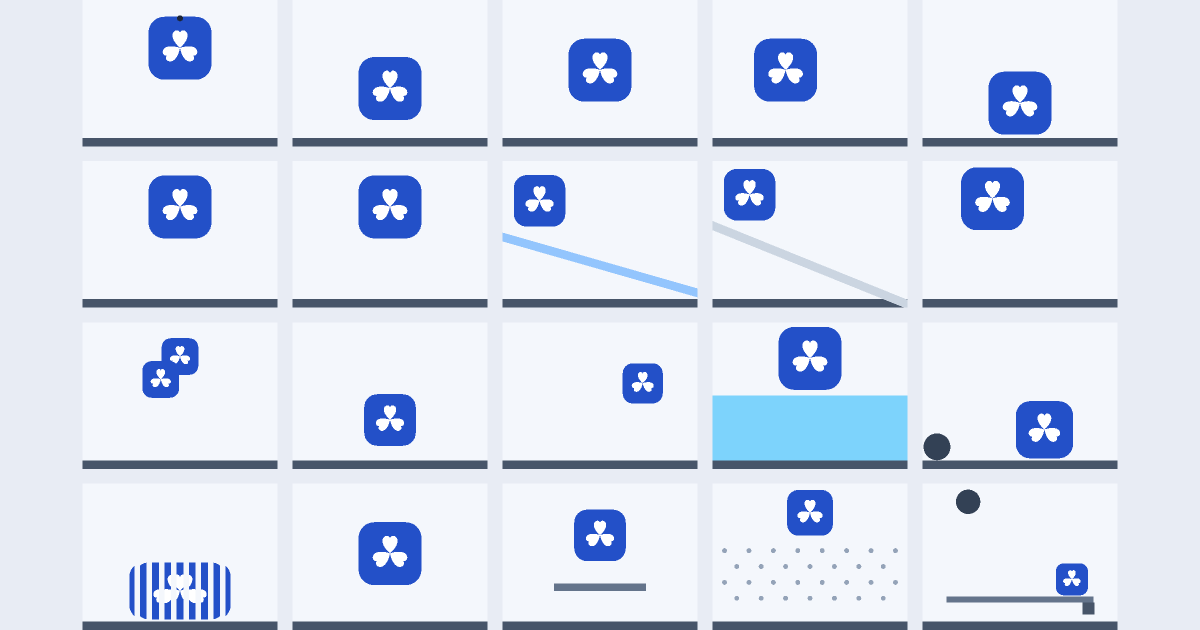
One project, 20 frames, each with the Tymora logo and its own physics: Moon, zero gravity, ice, pendulum, spring, water, dominoes and more.
Change the angle and speed with sliders and watch the path change. Captions show the time, the ball position and the range from the formula.