2DAge 8+15 min
Pendulum: what sets the period
Two pendulums of different length swing side by side: the short one makes more swings. An oscillation and period experiment for kids 8+.
Interactive experiments for kids, students and teachers. Run each one right on the page, then open a copy in the Tymora editor and change mass, friction, elasticity or gravity. Every experiment comes with discussion questions and a version to try at home.
Two pendulums of different length swing side by side: the short one makes more swings. An oscillation and period experiment for kids 8+.
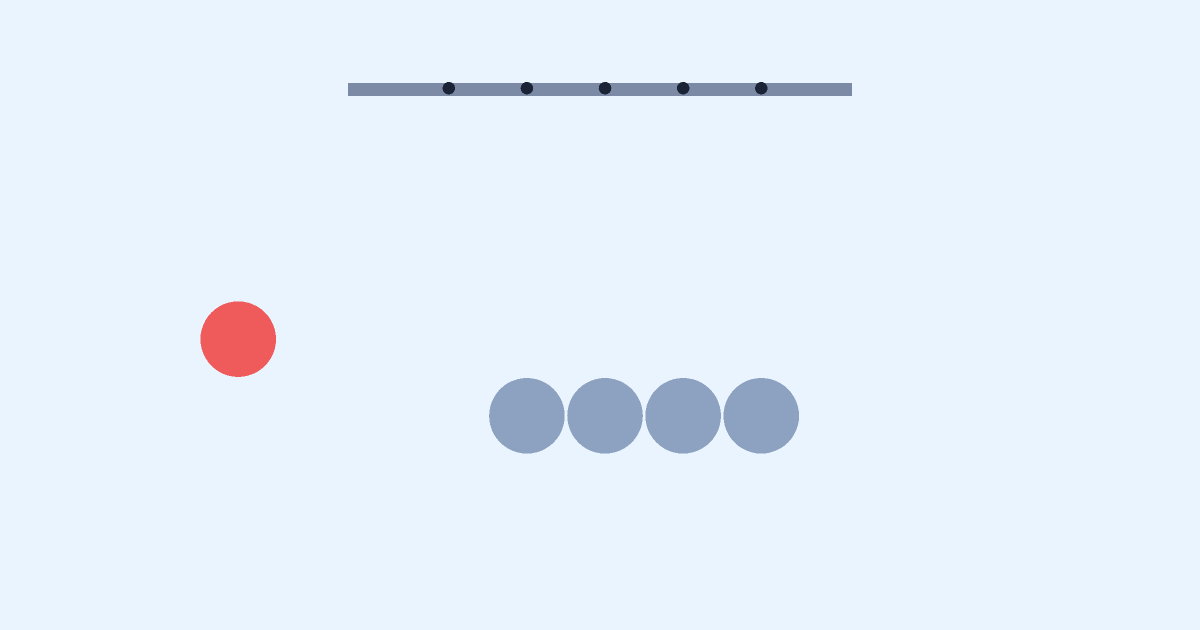
One ball strikes a row and exactly one ball swings out from the other end. An interactive Newton’s cradle — a lesson on momentum and energy.
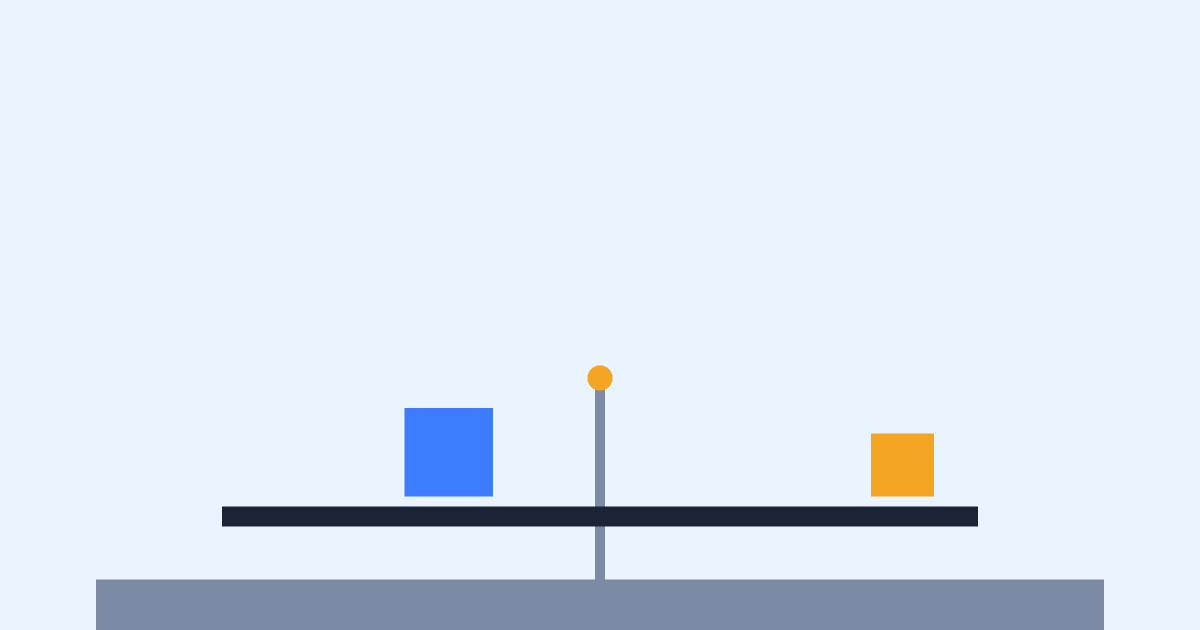
A heavy load close to the pivot balances a light one far away. An interactive lever model for kids 8+: torque and balance.
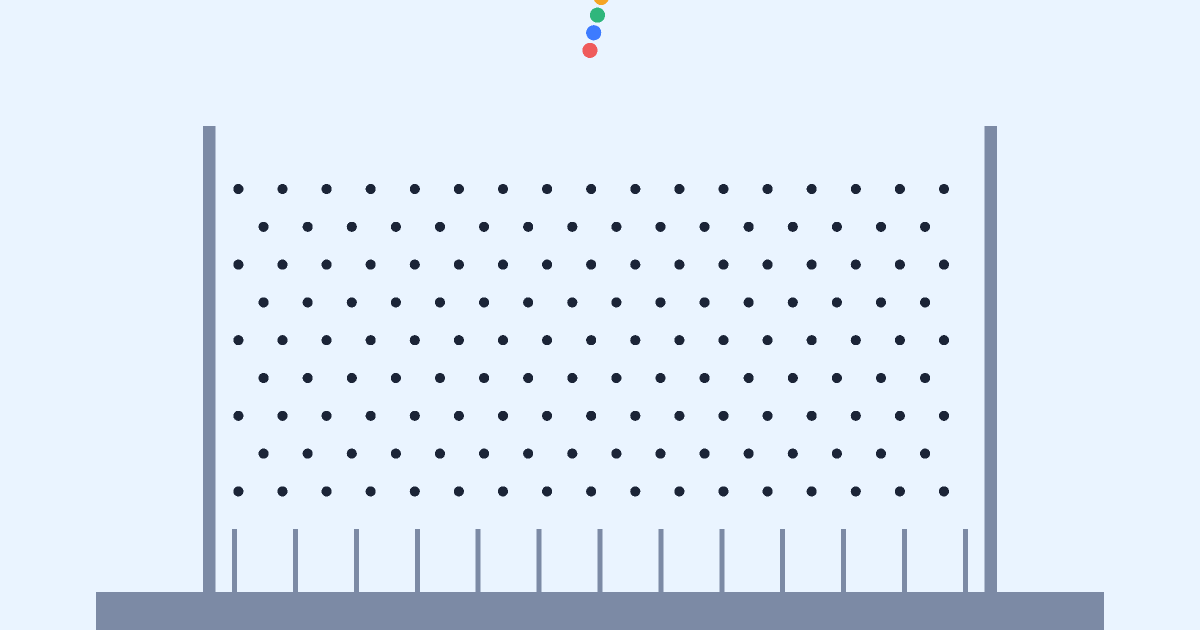
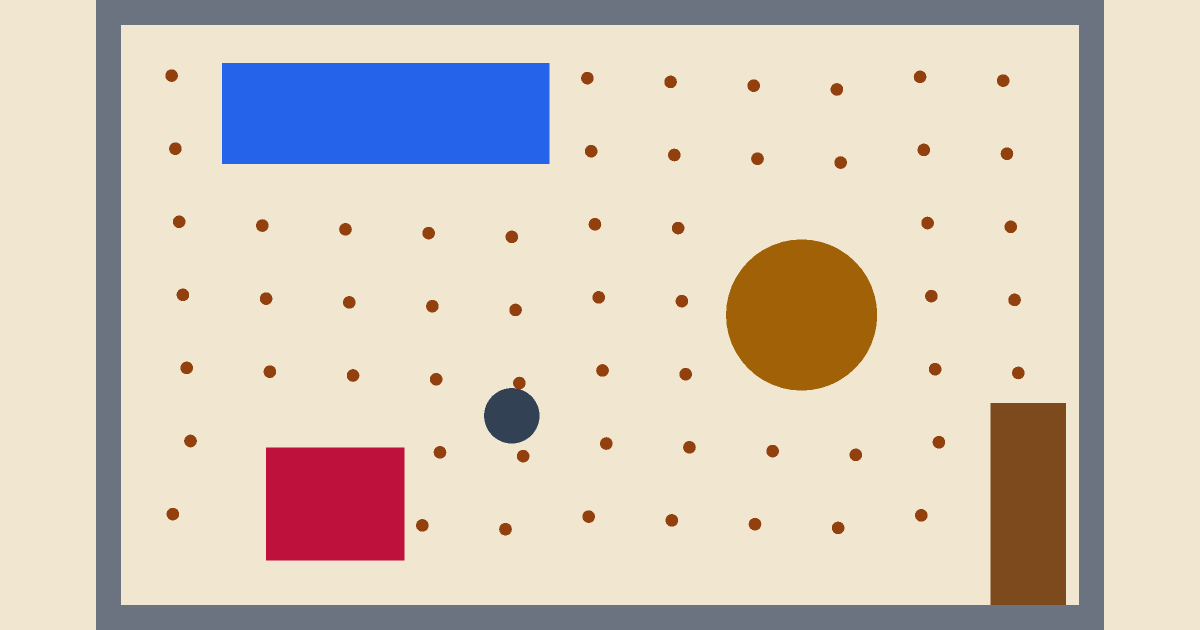
Balls fall through rows of pegs and pile up in a bell shape. Hands-on probability and the normal distribution for kids 9+.
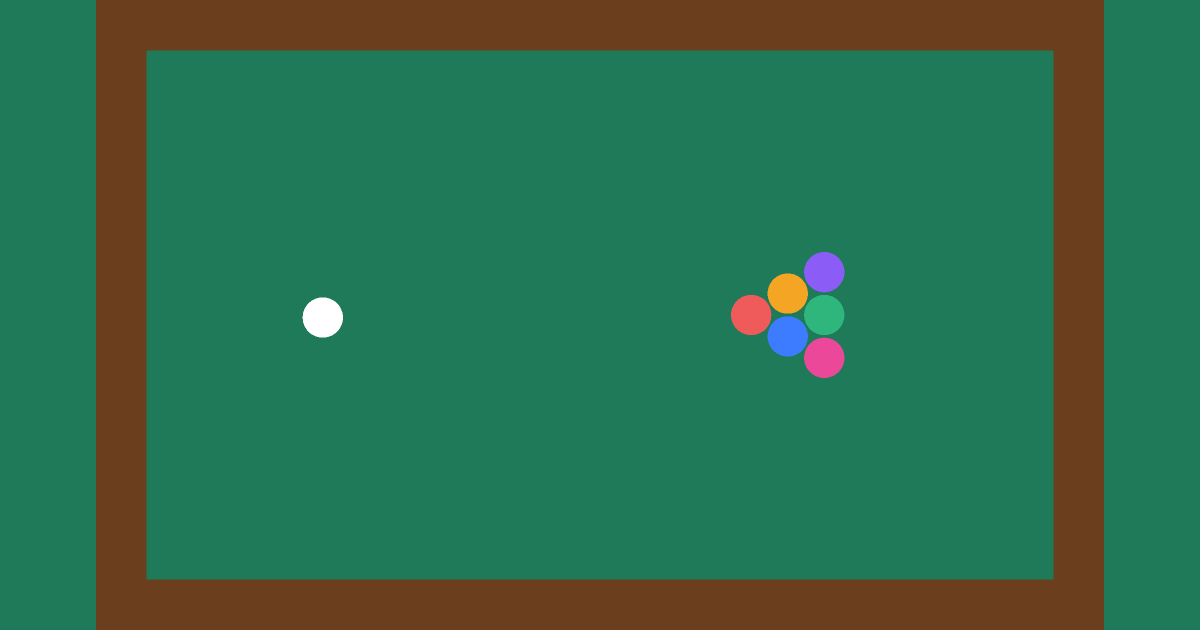
A cue ball breaks a rack on a top-down table. Momentum passes from ball to ball — a collision experiment for kids 8+.
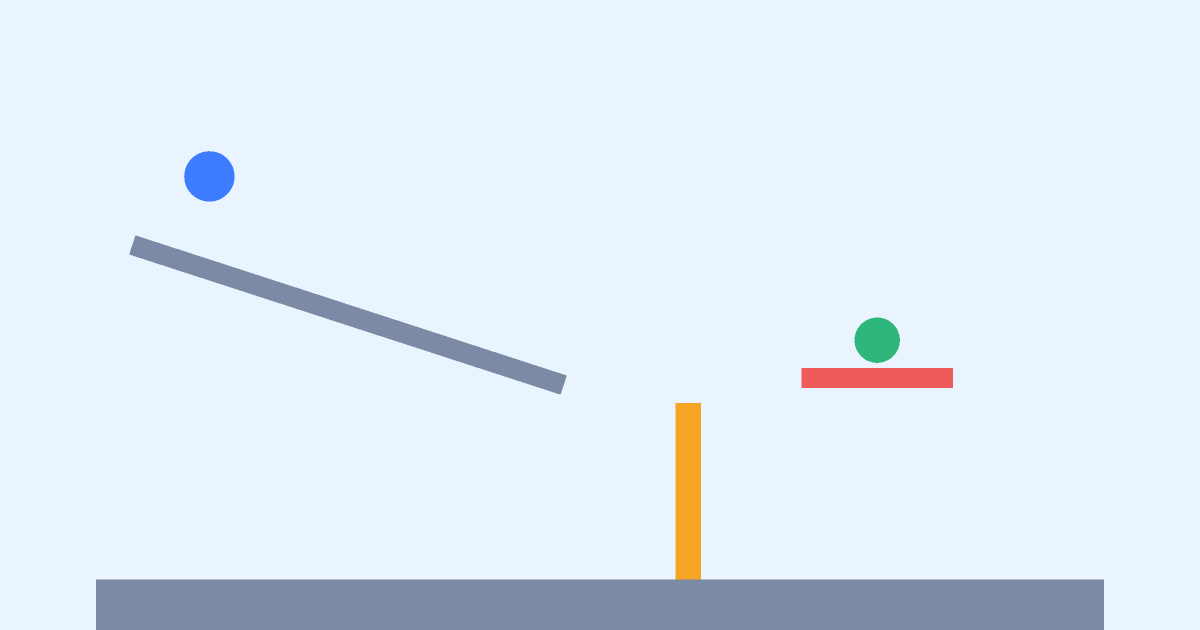
A heavy weight drops onto the short arm of a lever and throws a light ball from the long one. A levers and energy experiment for kids 9+.
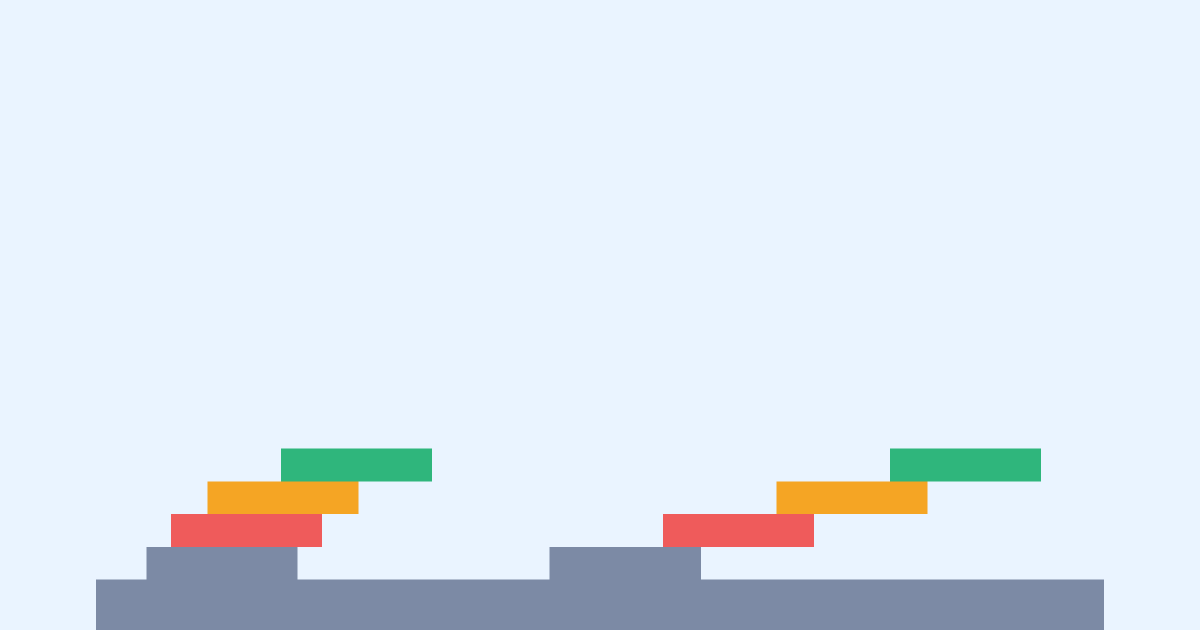
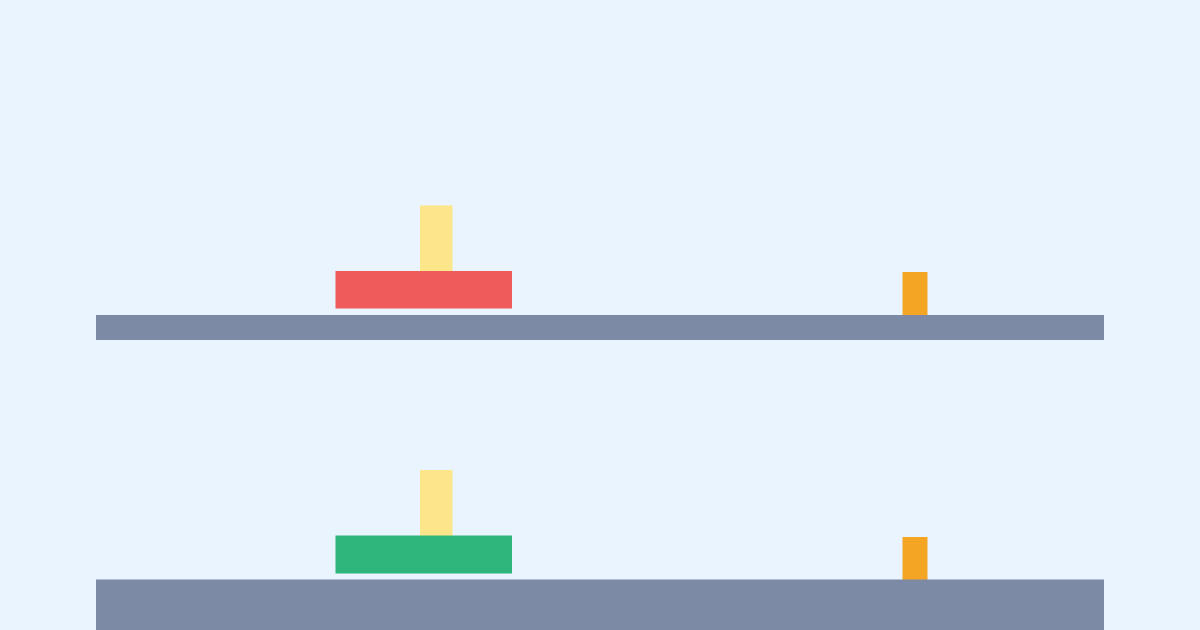
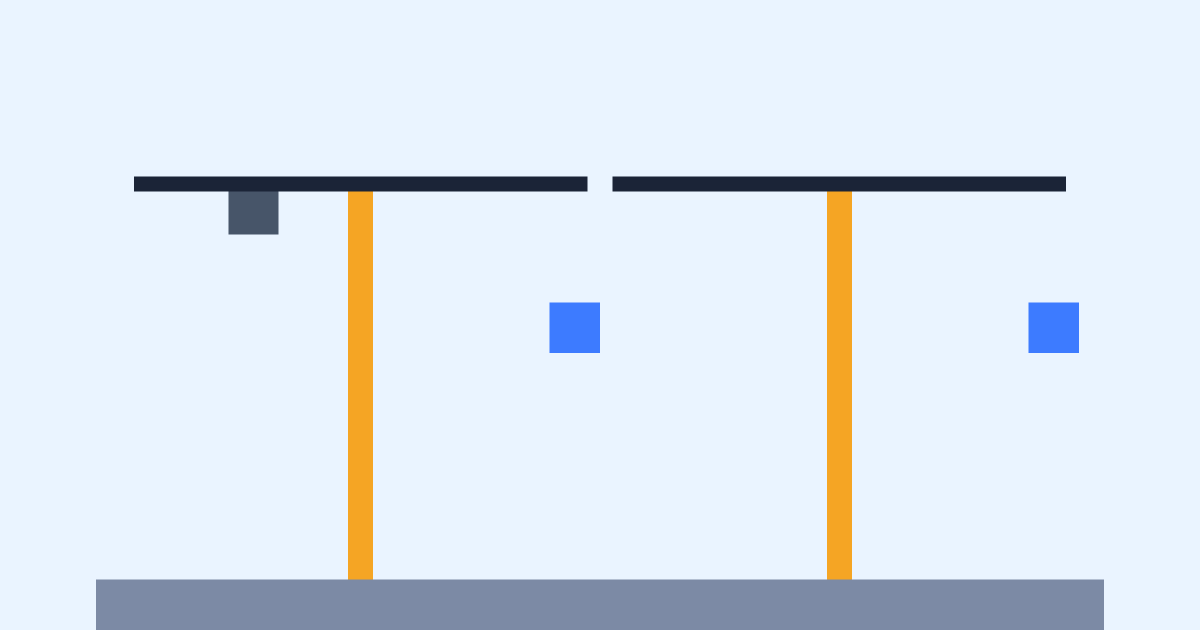
Two stacks of books: one with a careful overhang and one with too much. One stands, the other falls — the center of mass decides.
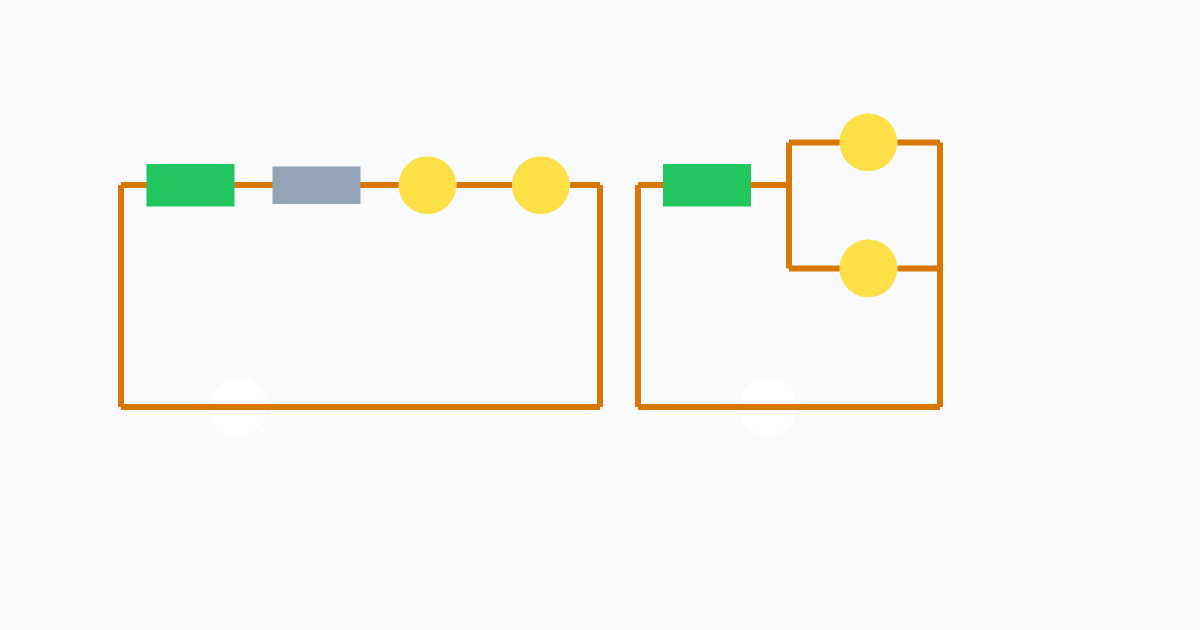
Two bulbs one after another and two bulbs side by side: compare brightness, current and voltage. Click the switch — the circuit is live.
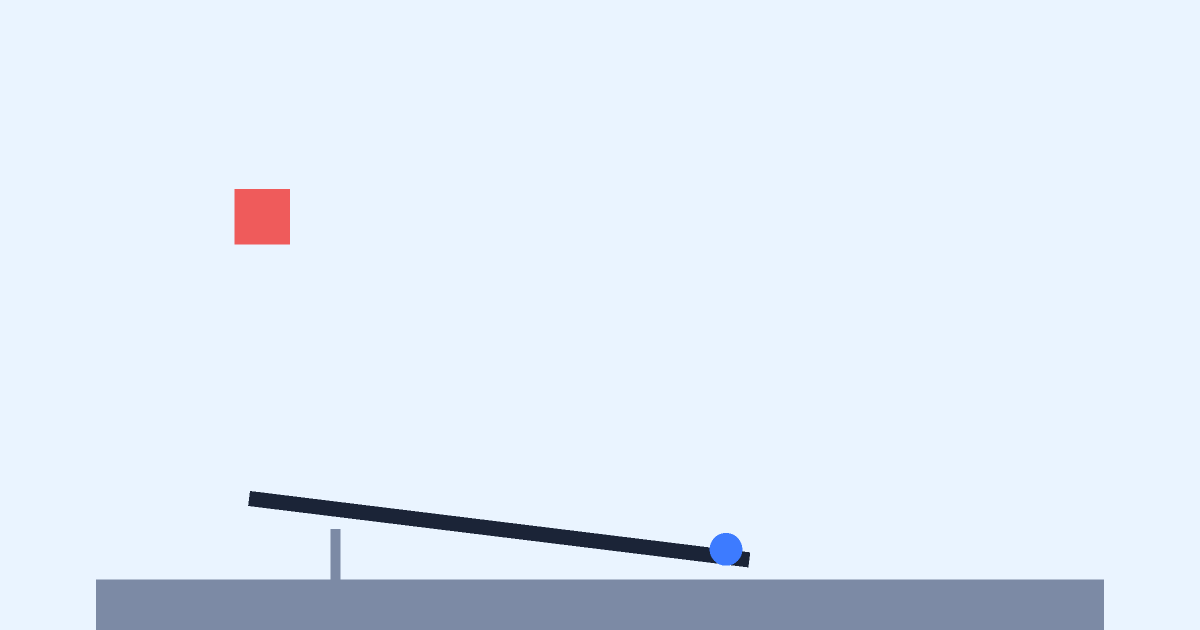
A ball rolls down a ramp and bumps a sensor, which turns green and removes the support under a second ball. Built from blocks.
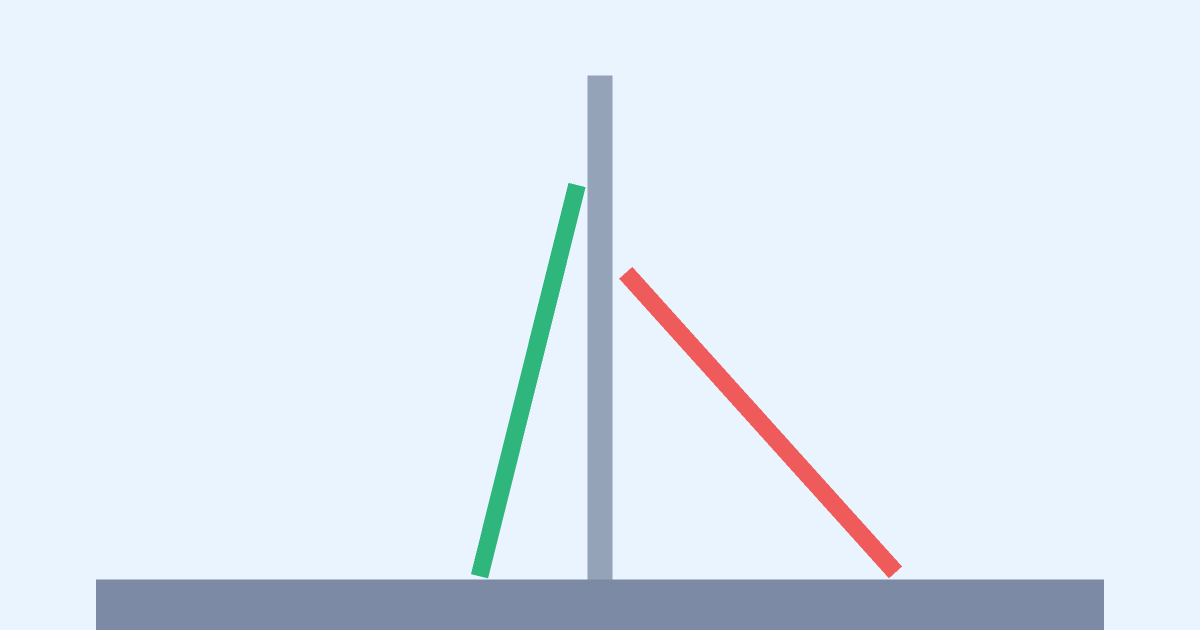
Two ladders lean on a wall: the steep one stands, the shallow one slides. Find out why ladders are set at about 15°.
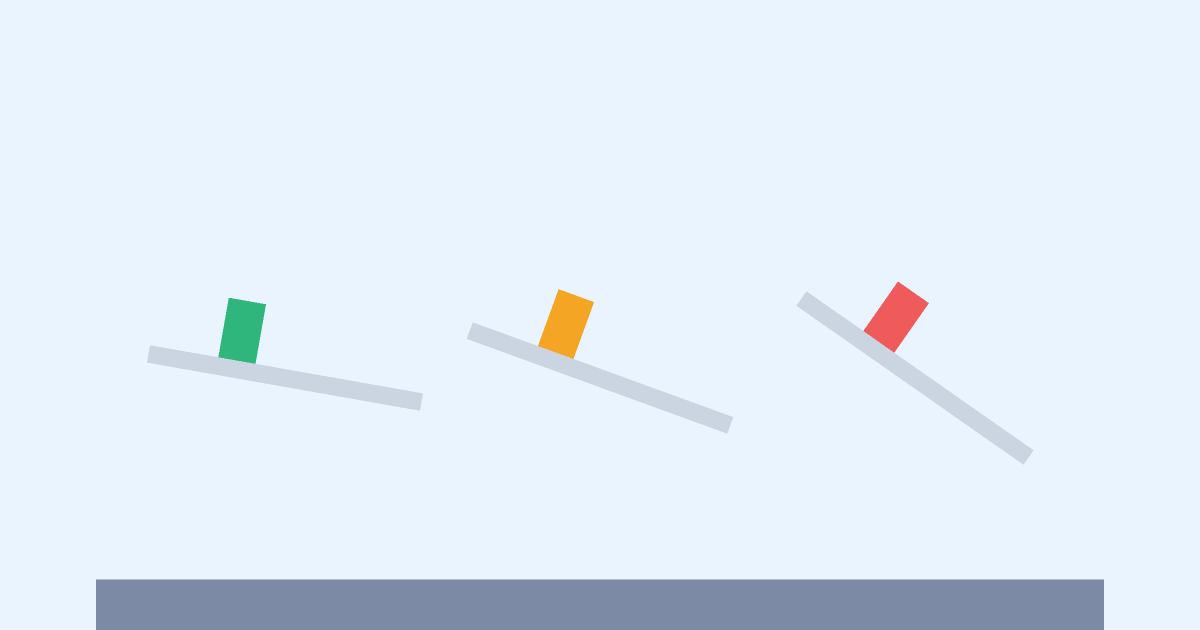
Identical salt shakers stand on trays tilted 10°, 20° and 35°. Find the angle where static friction no longer holds.
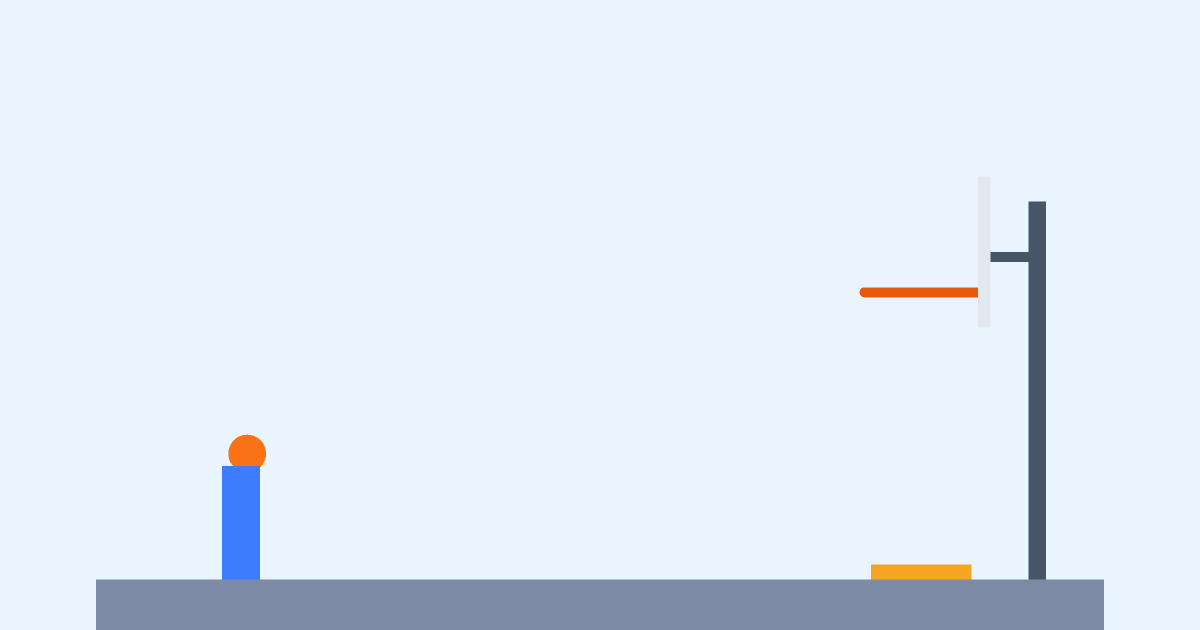
A ball flies along a parabola toward the hoop. Tune the speed and angle; the sensor under the basket turns green on a score.
A wheel rolls into a half-round ramp and climbs the other side almost to the same height. A chart shows the energy.
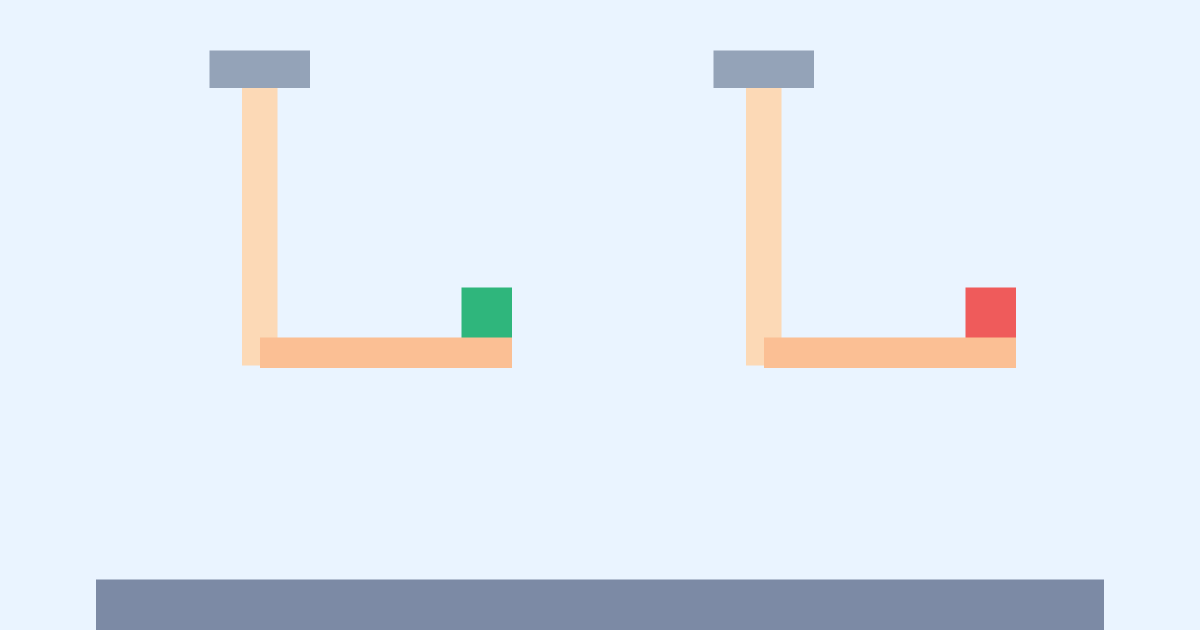
Two carts with dummies hit a barrier. The belted one stays put, the unbelted one flies forward.
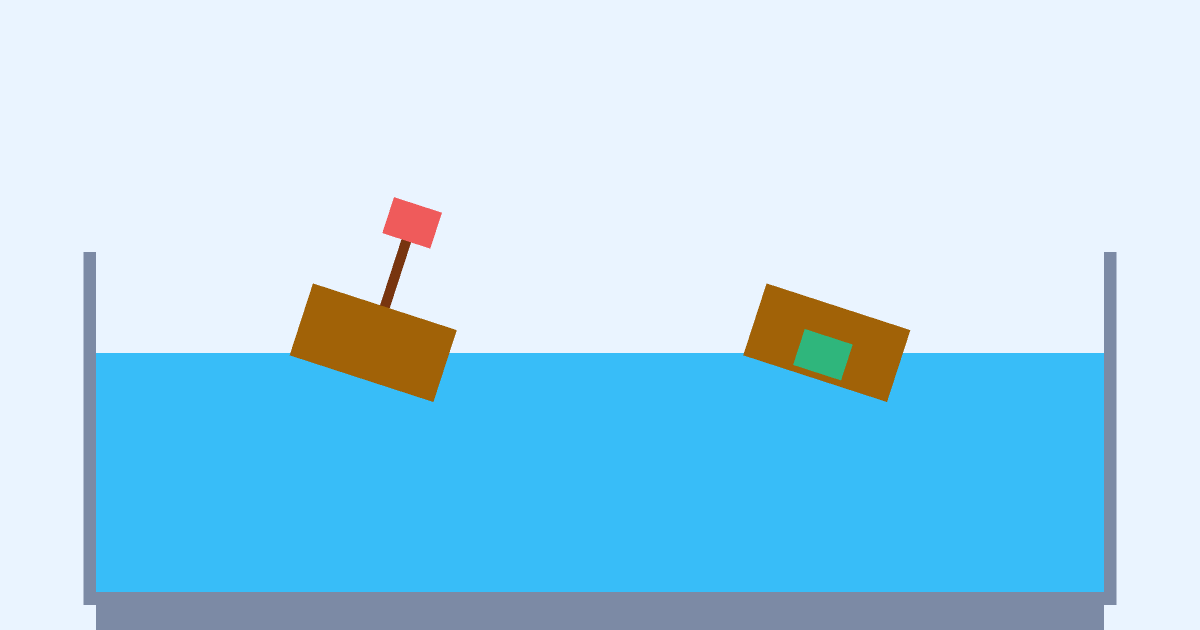
Two identical boats are heeled over. Cargo high on a mast capsizes one, cargo in the hold rights the other.
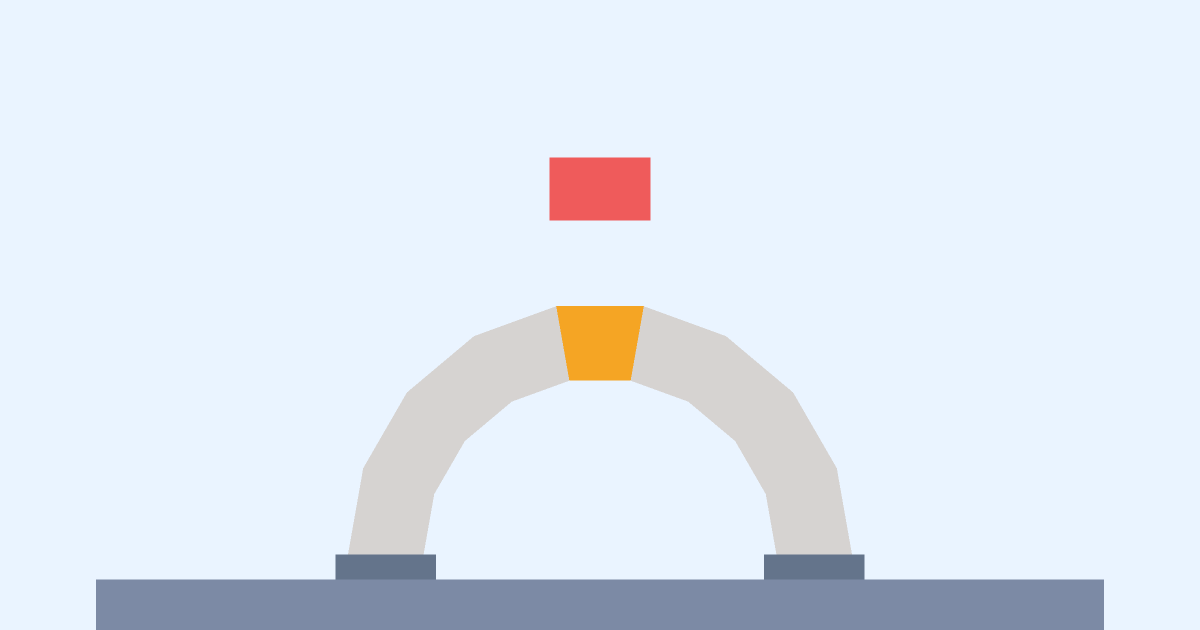
Nine wedge stones hold each other and a load on top. Remove the keystone and the arch collapses.
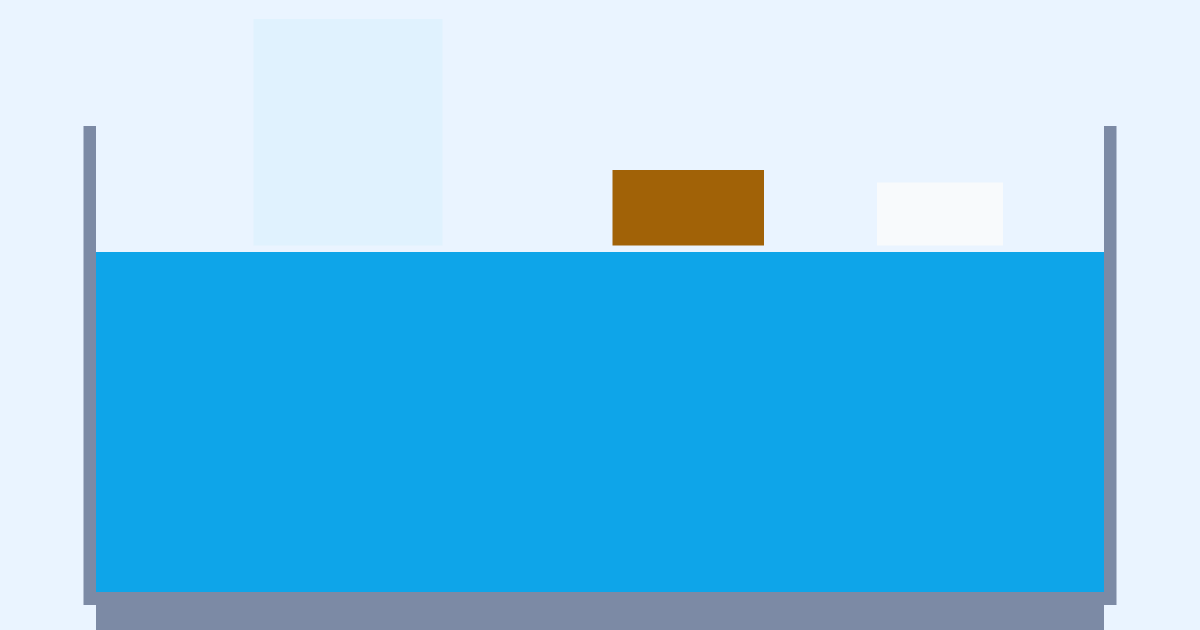
Ice, wood and foam in sea water. Only the tip of an iceberg shows above water — about one ninth.
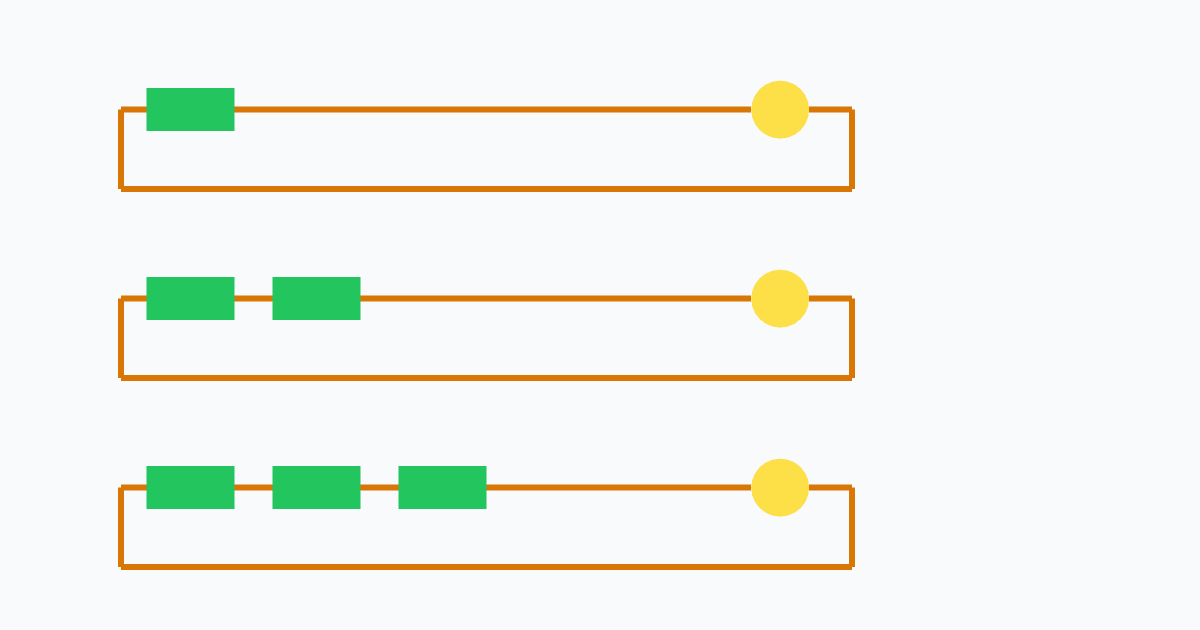
One, two and three 4.5 V batteries power identical 6 V bulbs. One glows dim, two bright, three burns the bulb.
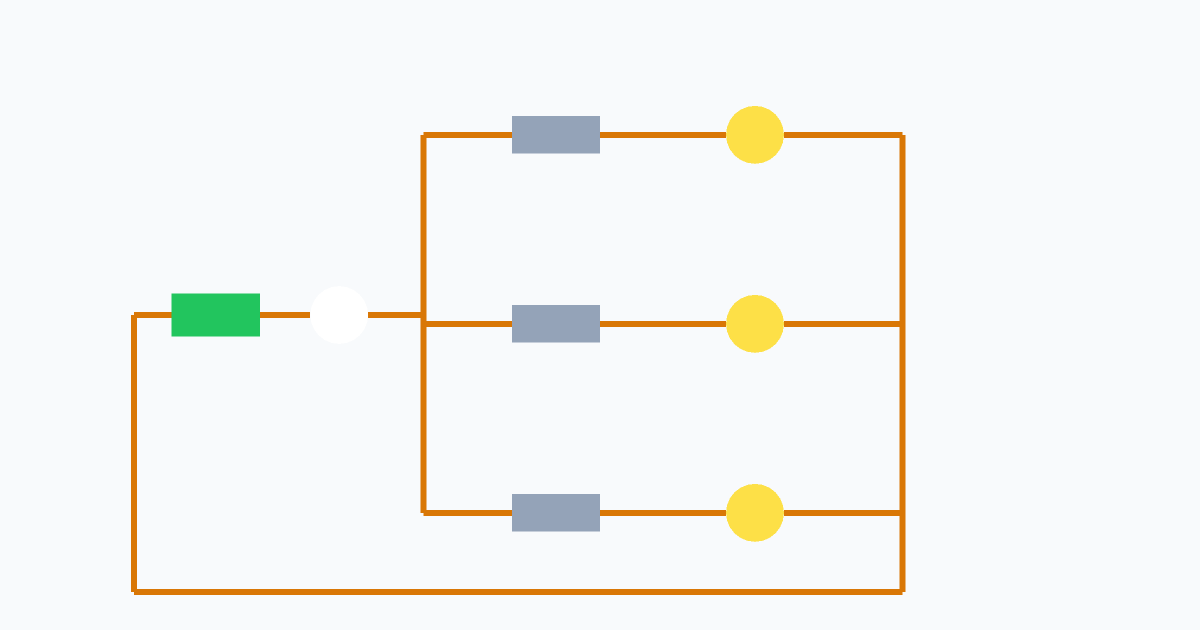
Three lamps are wired in parallel, each with its own switch. Click them — the other lamps keep glowing as before.
Two cranes hold the same load. One has a counterweight and its jib stays level; the other’s jib tips over.
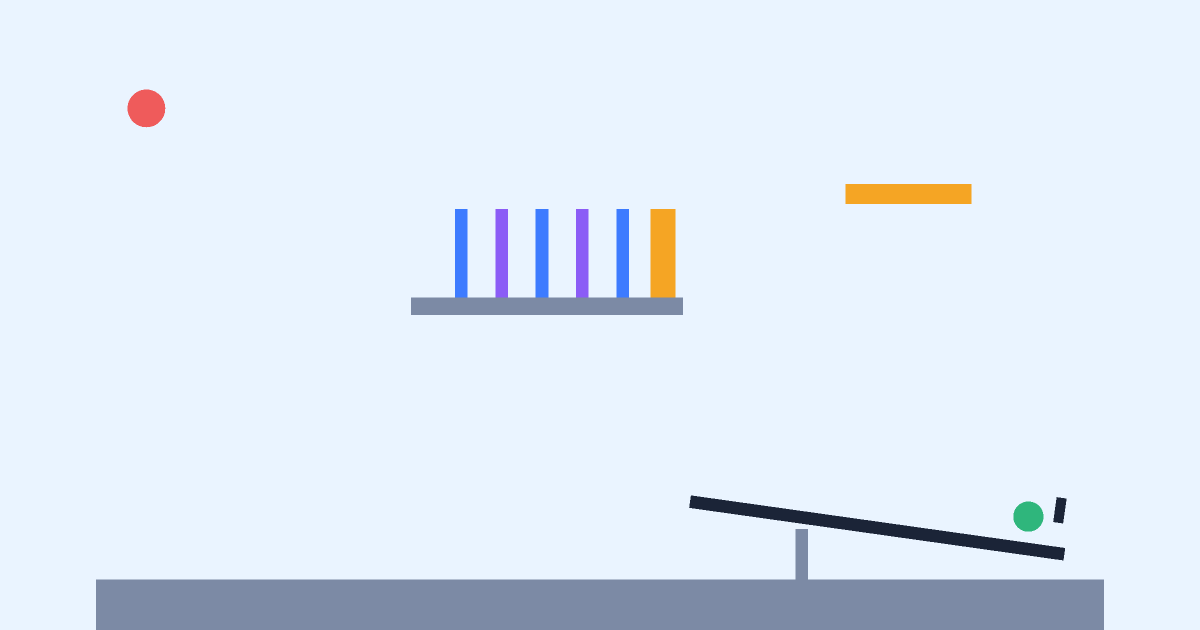
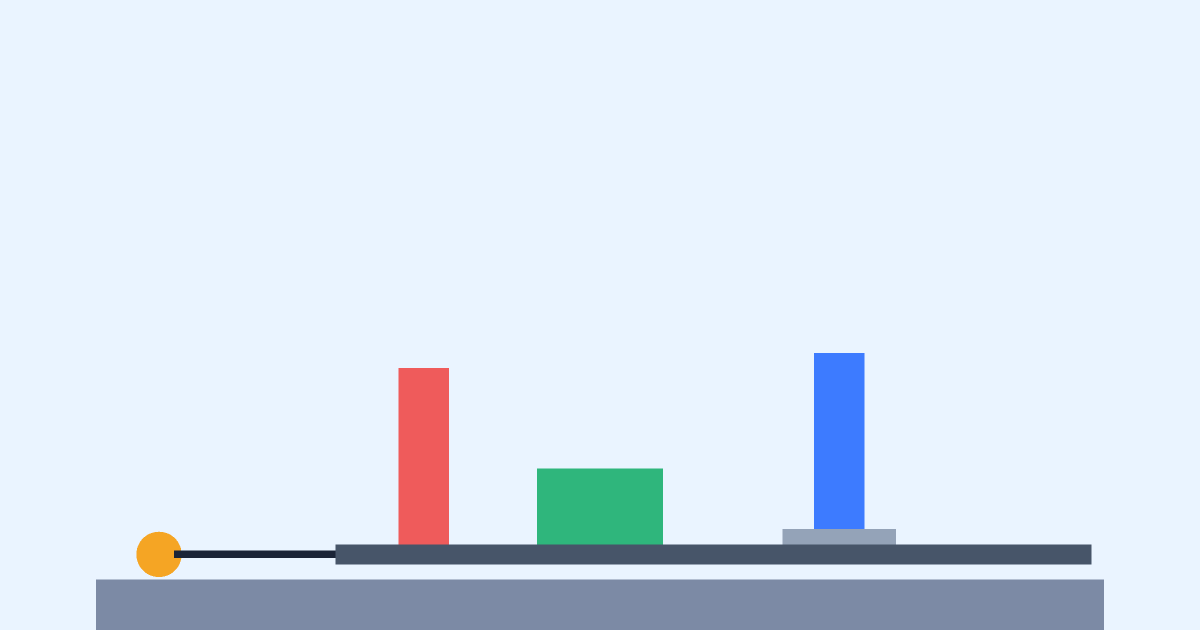
A ball rolls down a ramp, topples dominoes, the last one hits a lever, which tosses a ball — and the ‘bell’ rings.
Weights of 0.5, 1 and 2 kg and one unknown hang on identical springs. A spring stretches in proportion to the load, so the ruler reveals the mass.
A forearm holds 1 kg and 3 kg in the hand. The muscle attaches close to the elbow, so it pulls several times harder than the load weighs.
A top view: the robot bounces off furniture and picks up crumbs. A touch sensor removes each crumb and timer rules change its course.
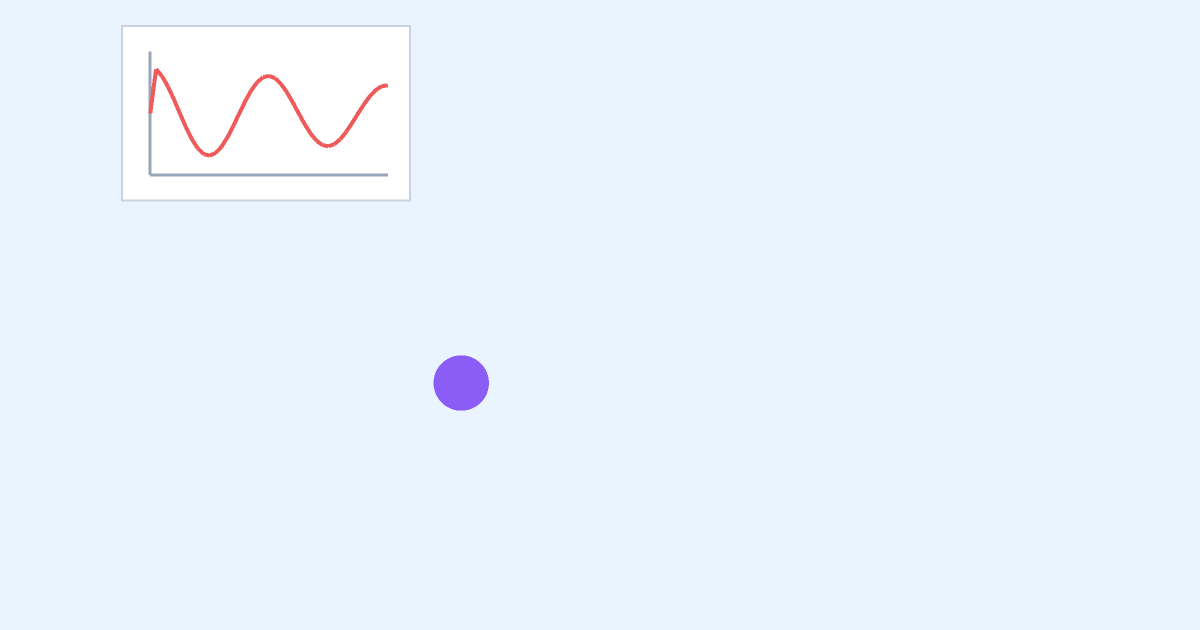
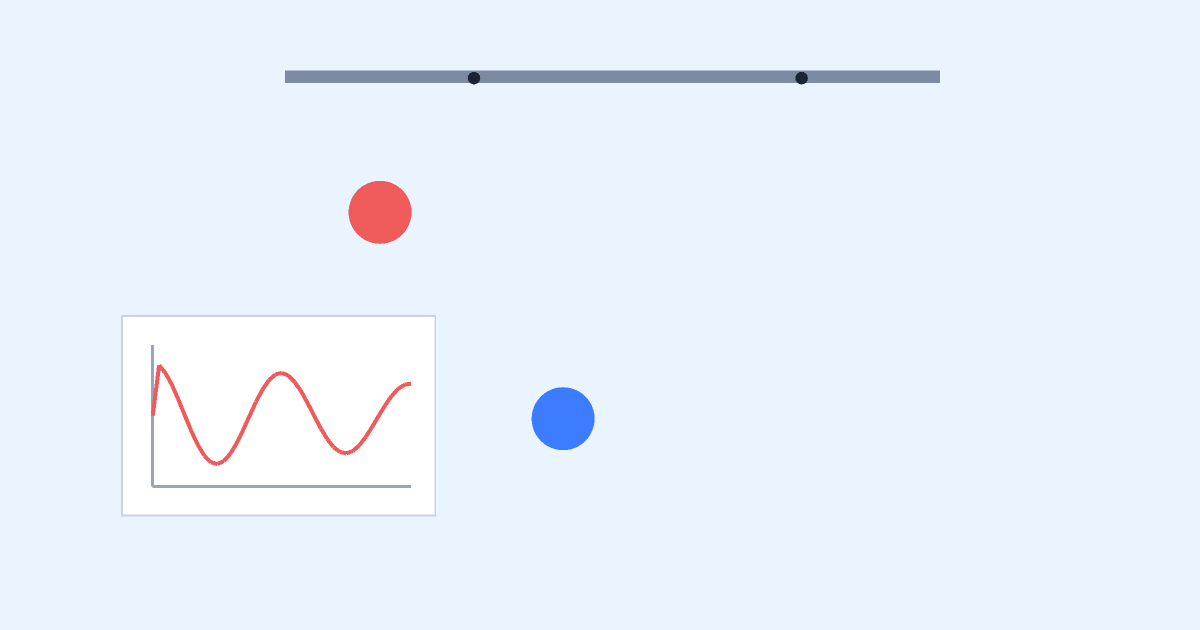
Two identical cars drive over bumps: the top one has only a spring, the bottom one a spring and a shock absorber. The top body bounces for a long time, the bottom one settles quickly.
A crank mechanism shakes the platform. A narrow tower falls, a wide house stands, and the same tower on soft springs and dampers survives the shaking.
Three identical cannons with springs of different stiffness fire at 45°. The stiffer the spring, the farther the ball goes: twice as stiff, roughly twice as far.