2DAge 5+10 min
Bouncing balls: what is elasticity
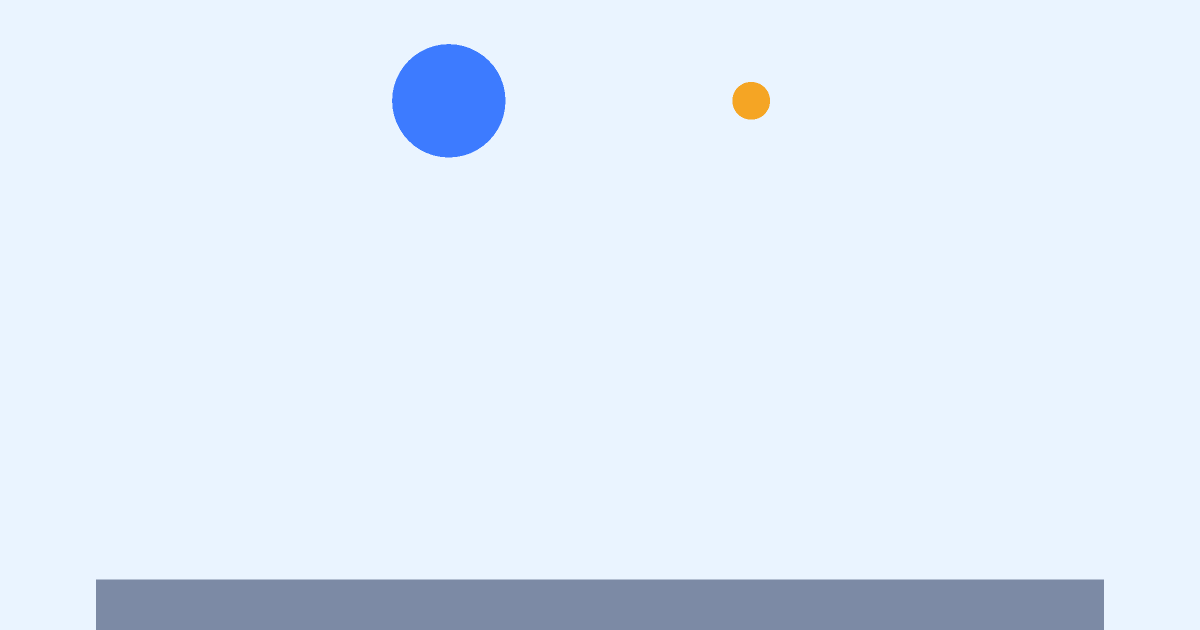
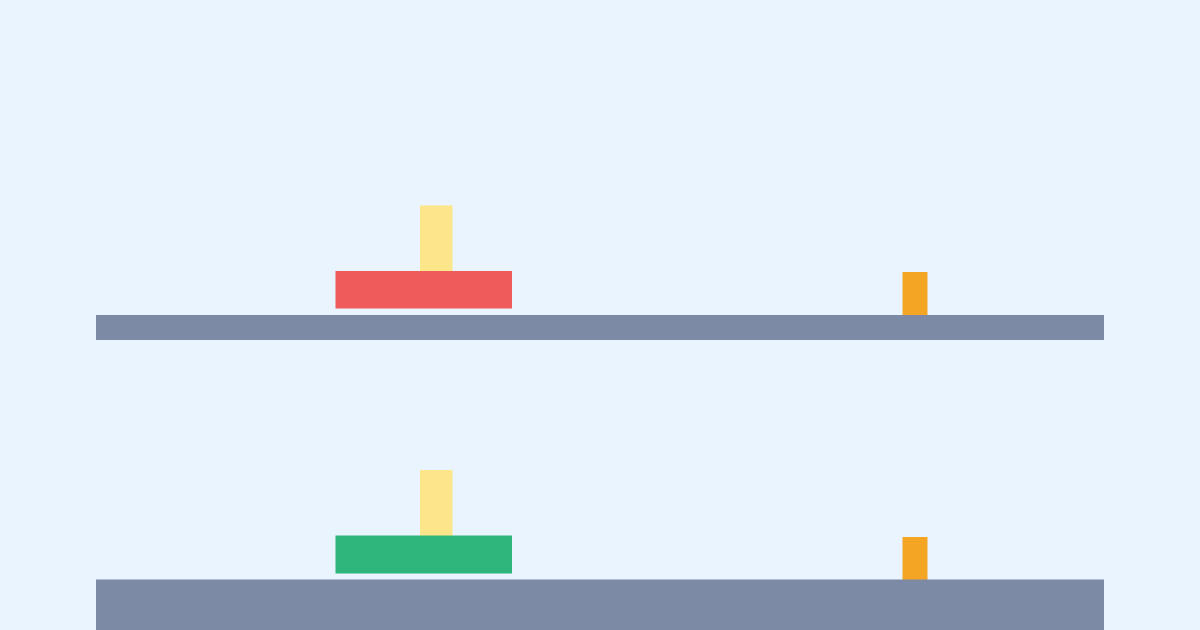
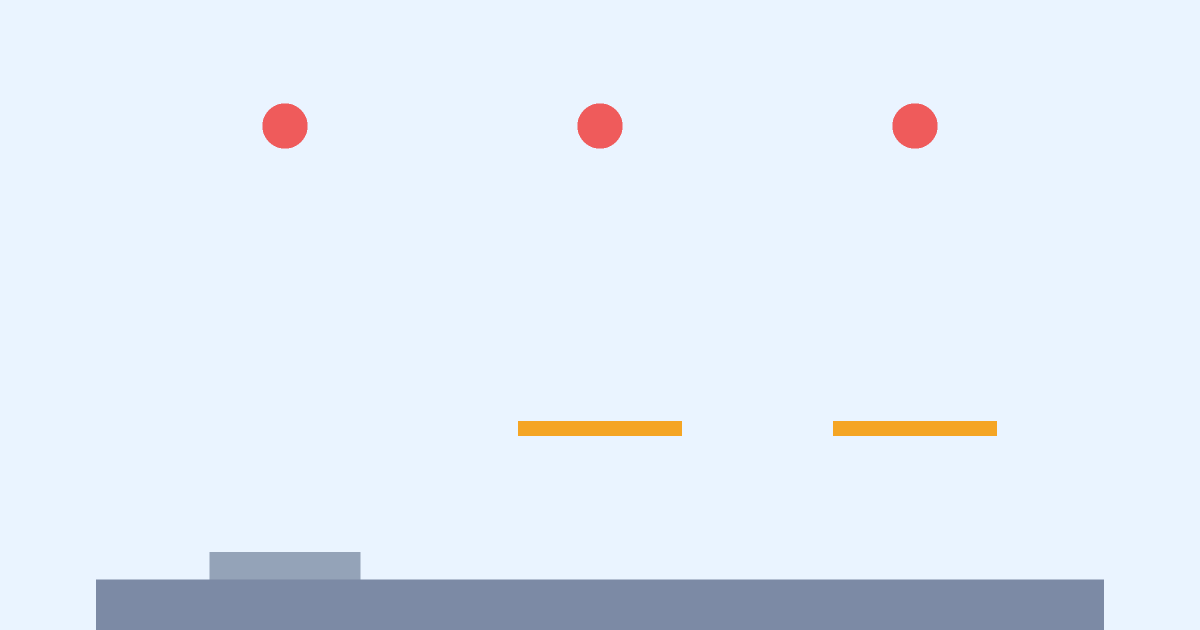
Three balls fall from the same height but bounce differently. A simple physics experiment for kids 5+: elasticity, energy and rebound.
Interactive experiments for kids, students and teachers. Run each one right on the page, then open a copy in the Tymora editor and change mass, friction, elasticity or gravity. Every experiment comes with discussion questions and a version to try at home.
Three balls fall from the same height but bounce differently. A simple physics experiment for kids 5+: elasticity, energy and rebound.
Galileo’s classic experiment, made interactive: a heavy and a light ball fall from the same height. Which lands first? Physics for kids 6+.
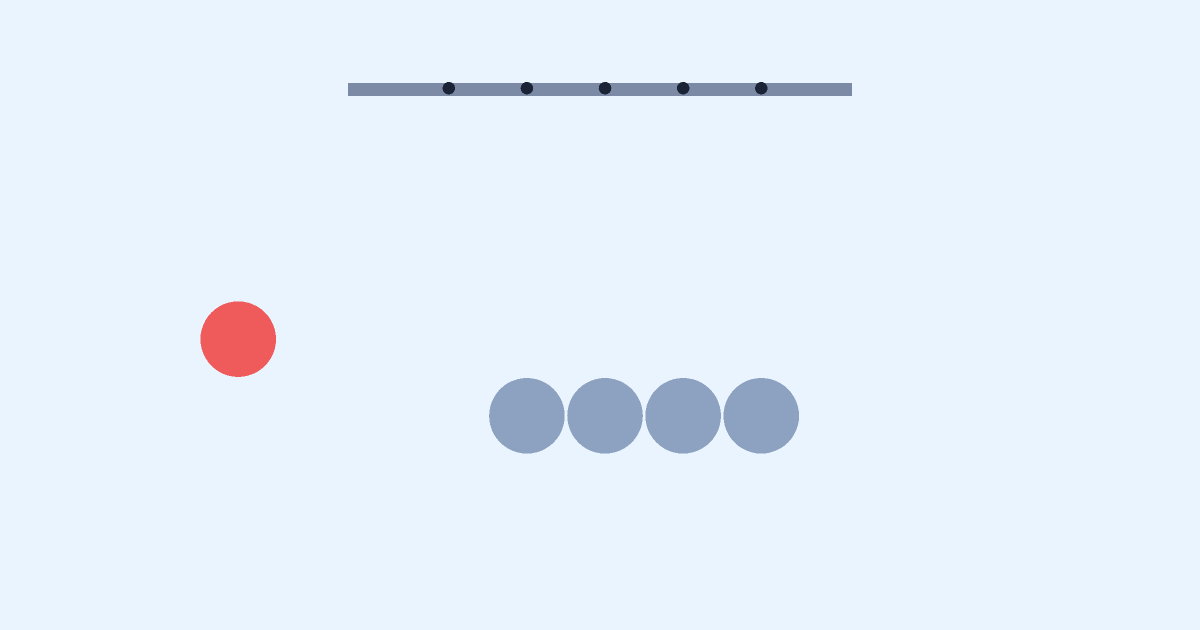
One ball strikes a row and exactly one ball swings out from the other end. An interactive Newton’s cradle — a lesson on momentum and energy.
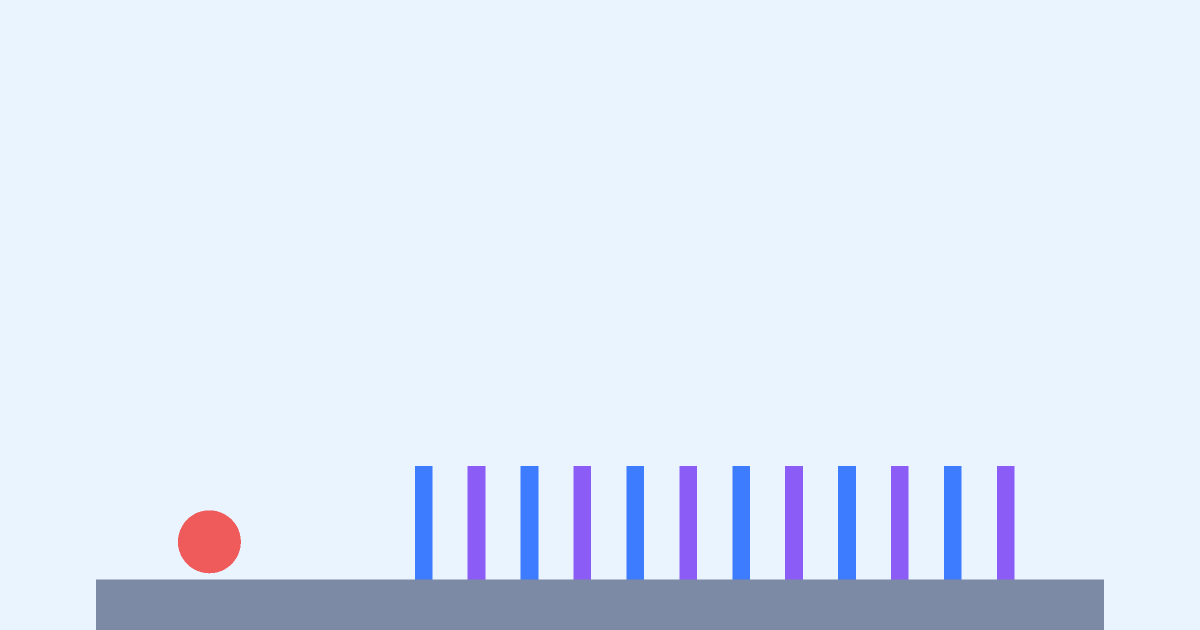
A ball pushes the first domino and a wave of falling runs through the whole row. An energy and chain reaction experiment for kids 5+.
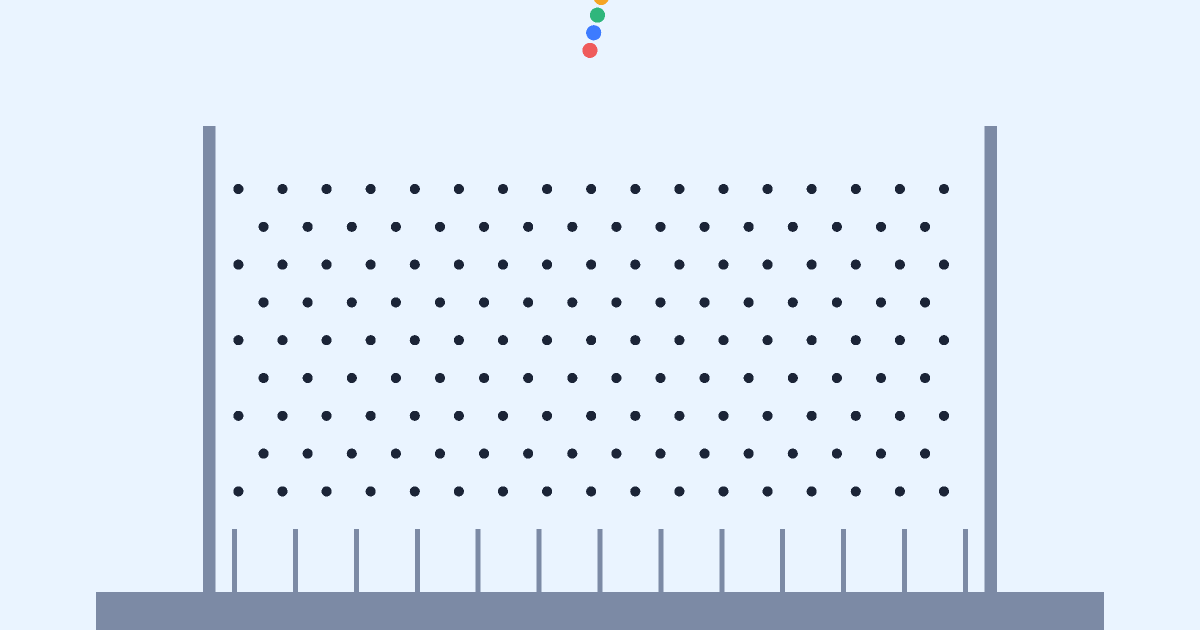
Balls fall through rows of pegs and pile up in a bell shape. Hands-on probability and the normal distribution for kids 9+.
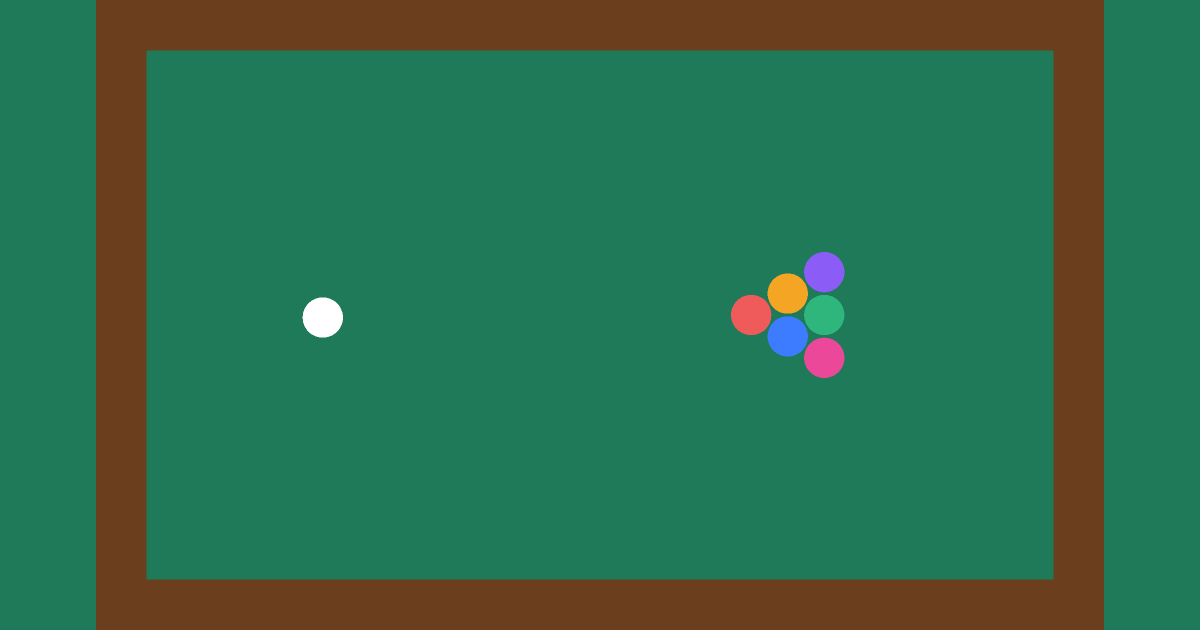
A cue ball breaks a rack on a top-down table. Momentum passes from ball to ball — a collision experiment for kids 8+.
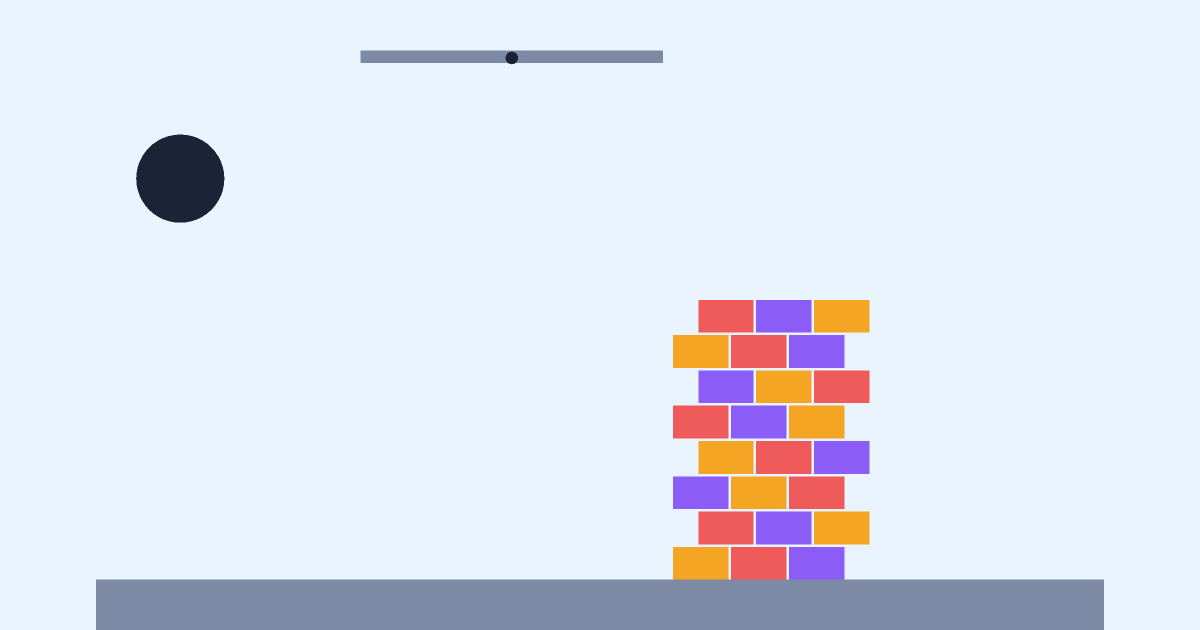
A heavy ball on a rod swings down and smashes a brick wall. An energy and momentum experiment for kids 7+.
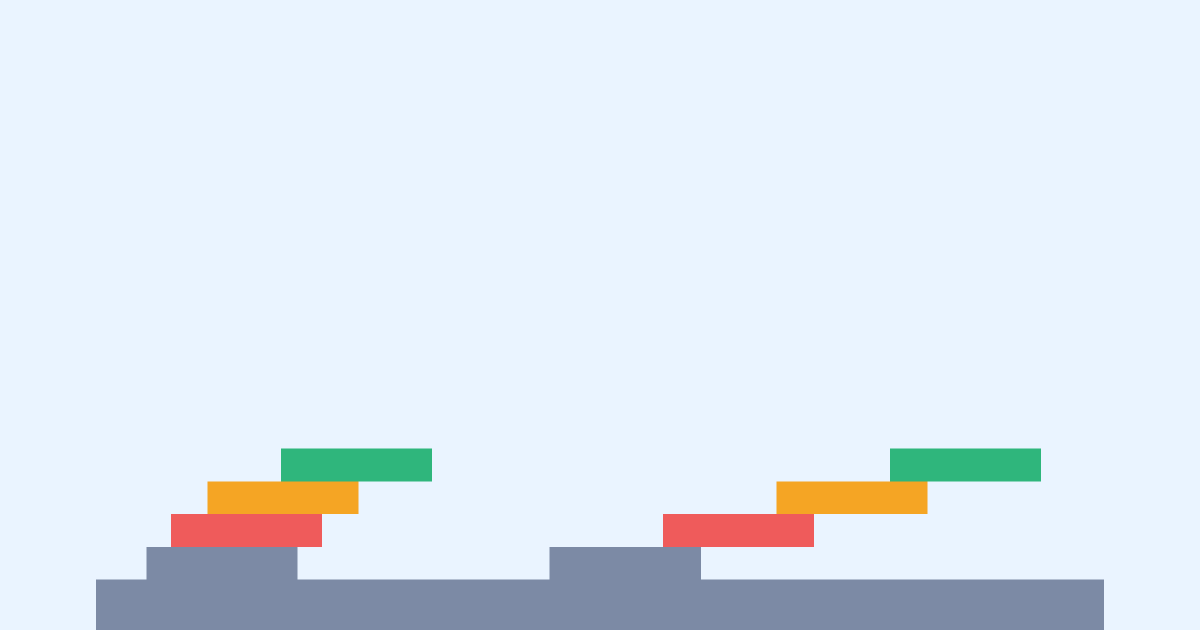
Two stacks of books: one with a careful overhang and one with too much. One stands, the other falls — the center of mass decides.
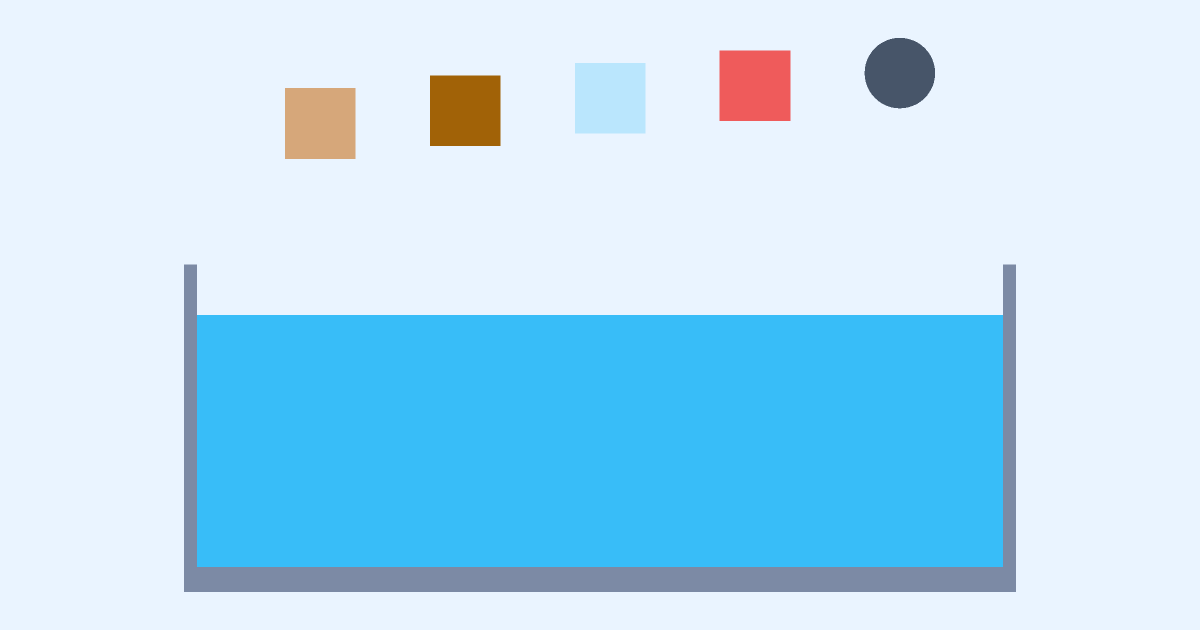
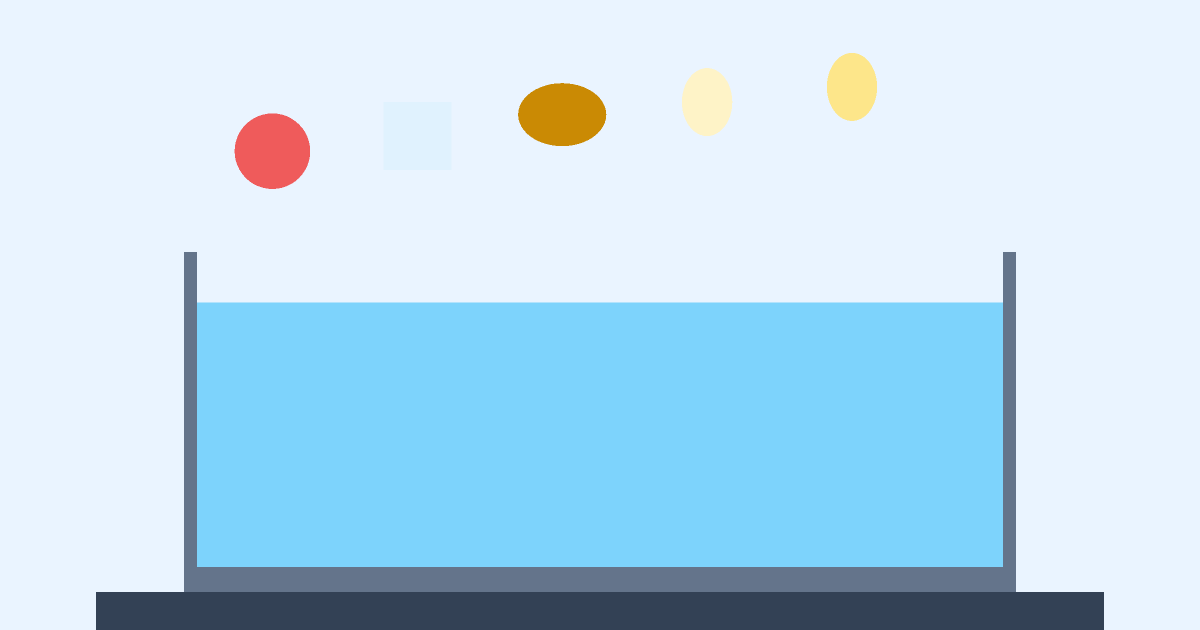
Five bodies of different density drop into water: cork, wood, ice, brick and an iron ball. Which sink and which float?
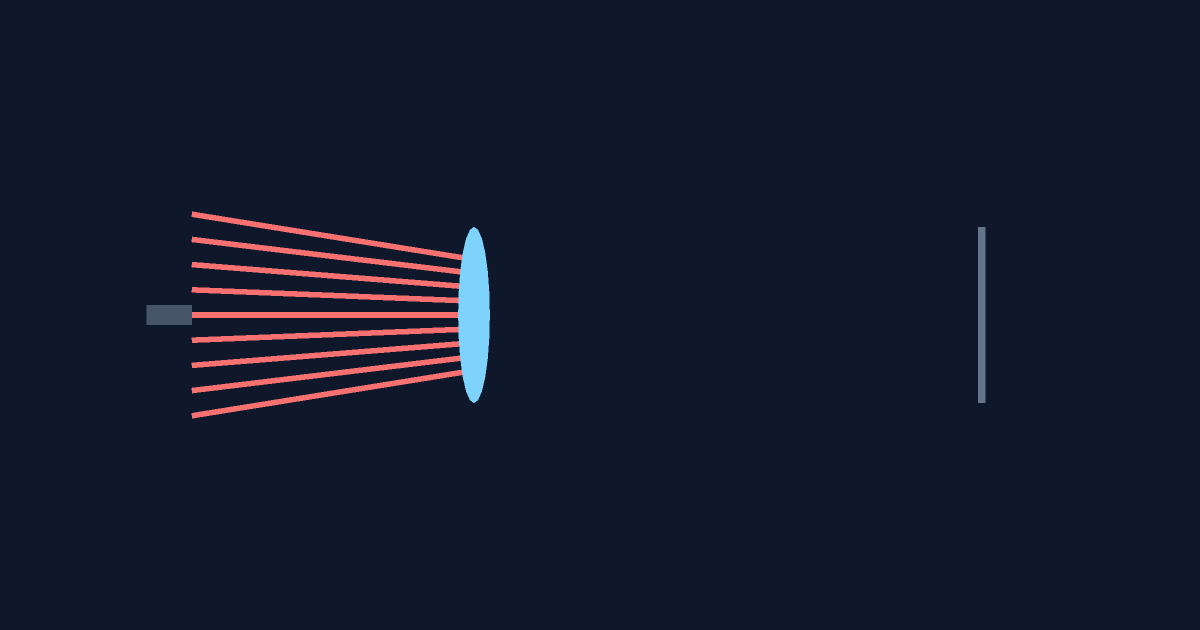
A parallel beam of rays passes through a converging lens and meets at one point — the focus. Then try a diverging lens.
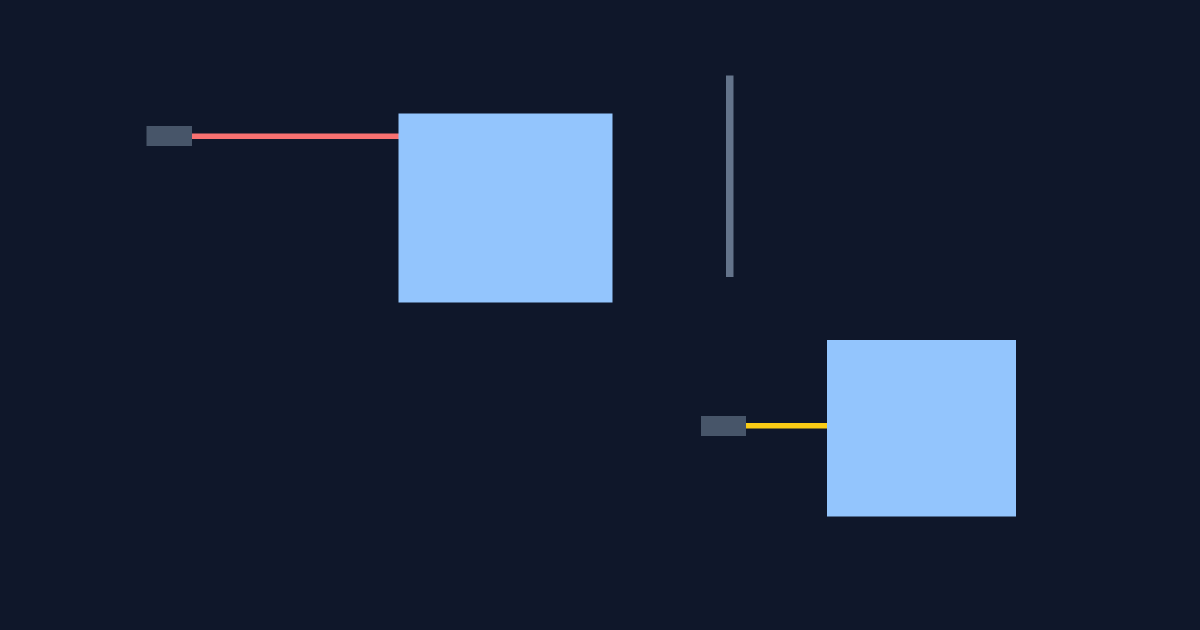
A ray enters a glass block and a prism, changes direction and leaves. The angle of refraction obeys Snell’s law.
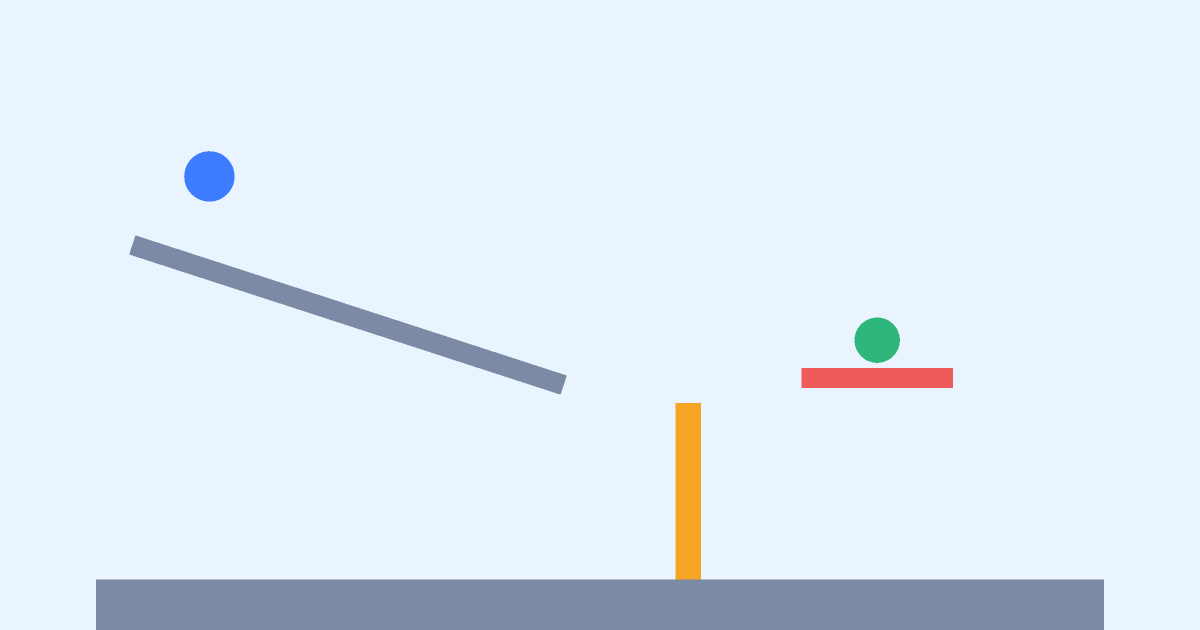
A ball rolls down a ramp and bumps a sensor, which turns green and removes the support under a second ball. Built from blocks.
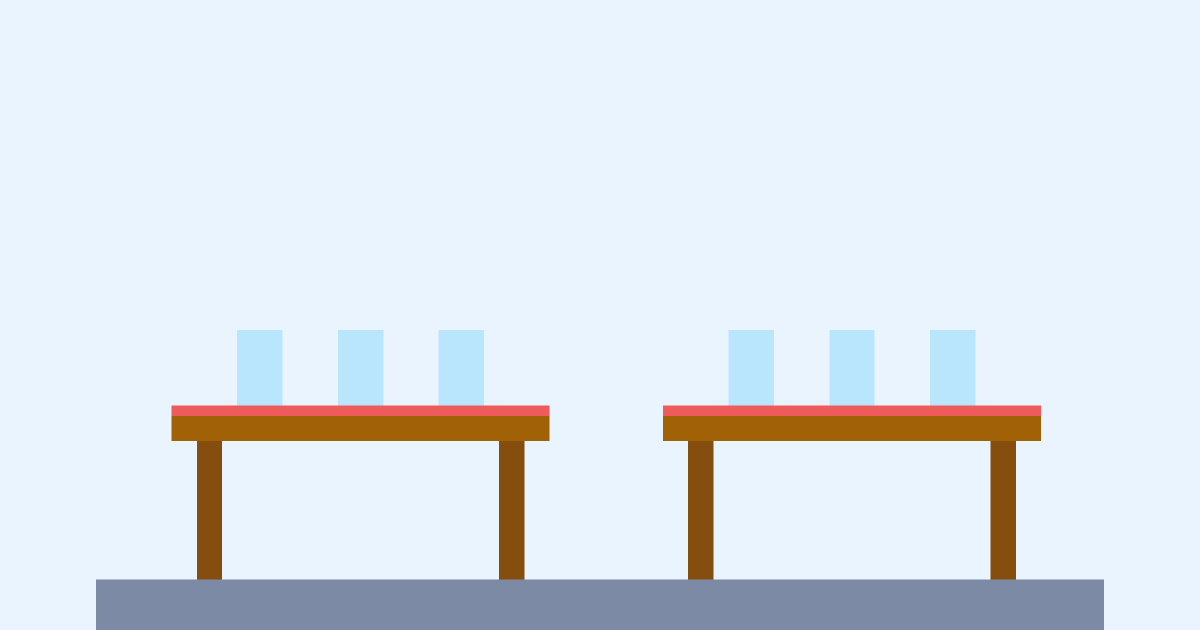
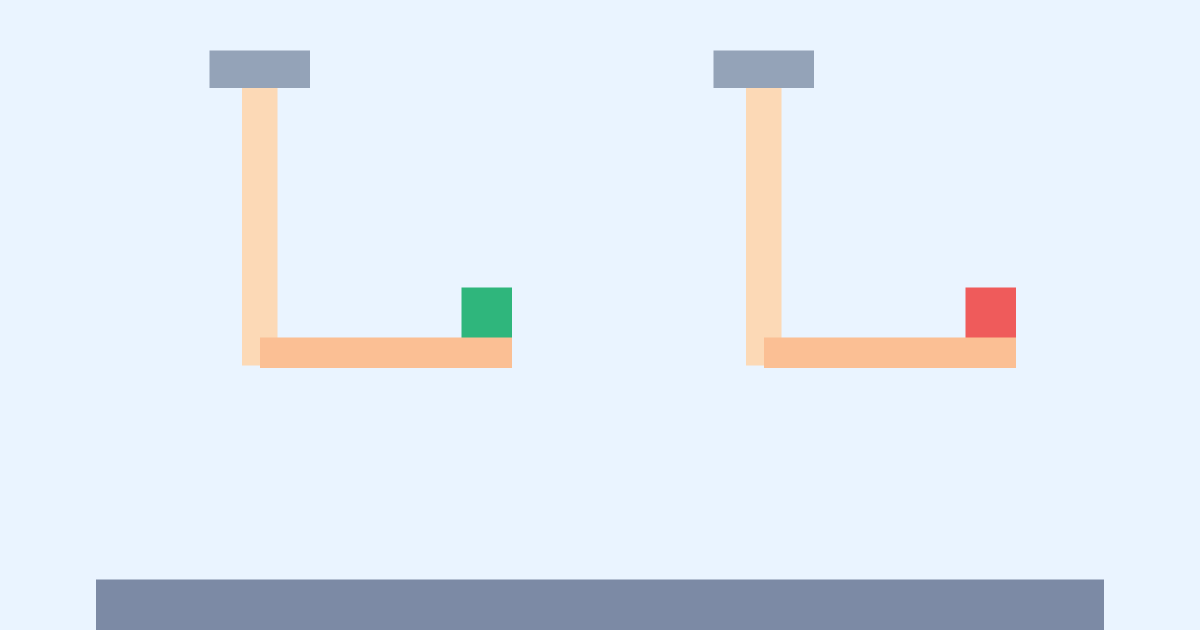
A tablecloth is pulled fast and slowly. The first time the cups stay on the table, the second time they ride off and fall.
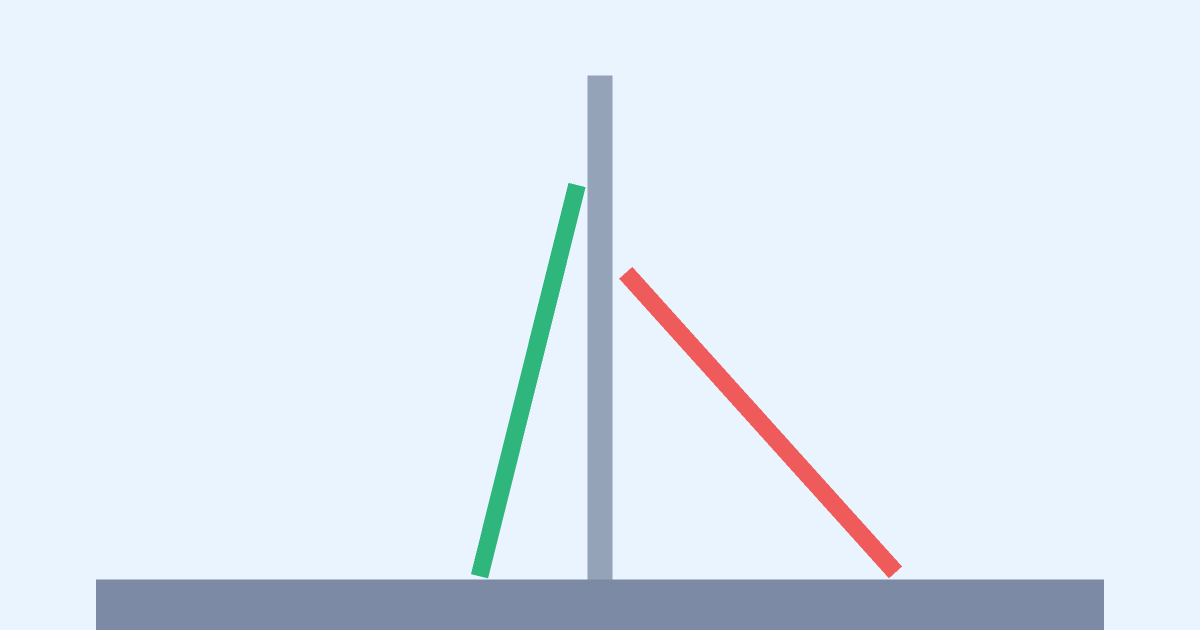
Two ladders lean on a wall: the steep one stands, the shallow one slides. Find out why ladders are set at about 15°.
We drop an apple, ice, a potato, a fresh and an old egg into water. Who floats and who sinks? Density decides.
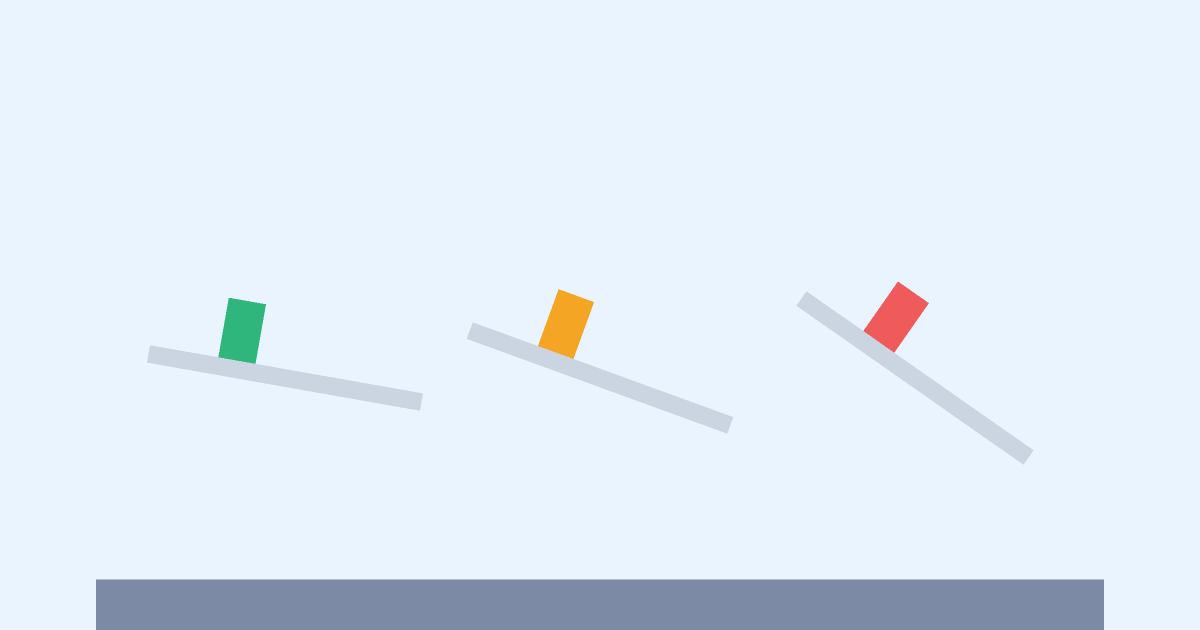
Identical salt shakers stand on trays tilted 10°, 20° and 35°. Find the angle where static friction no longer holds.
Three skiers ride down the same hill: with good wax, poor wax and none. Compare who glides farthest on the flat.
A wheel rolls into a half-round ramp and climbs the other side almost to the same height. A chart shows the energy.
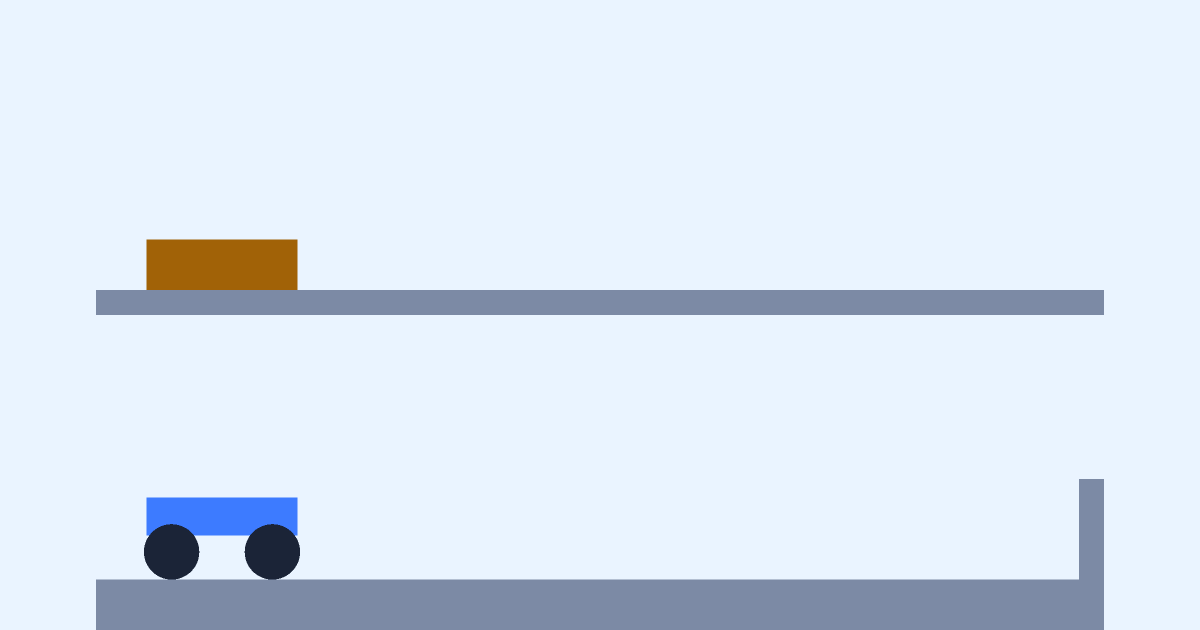
Two carts with dummies hit a barrier. The belted one stays put, the unbelted one flies forward.
A locomotive pulls five wagons with slack couplings. They start not together but one after another — a wave of jerks.
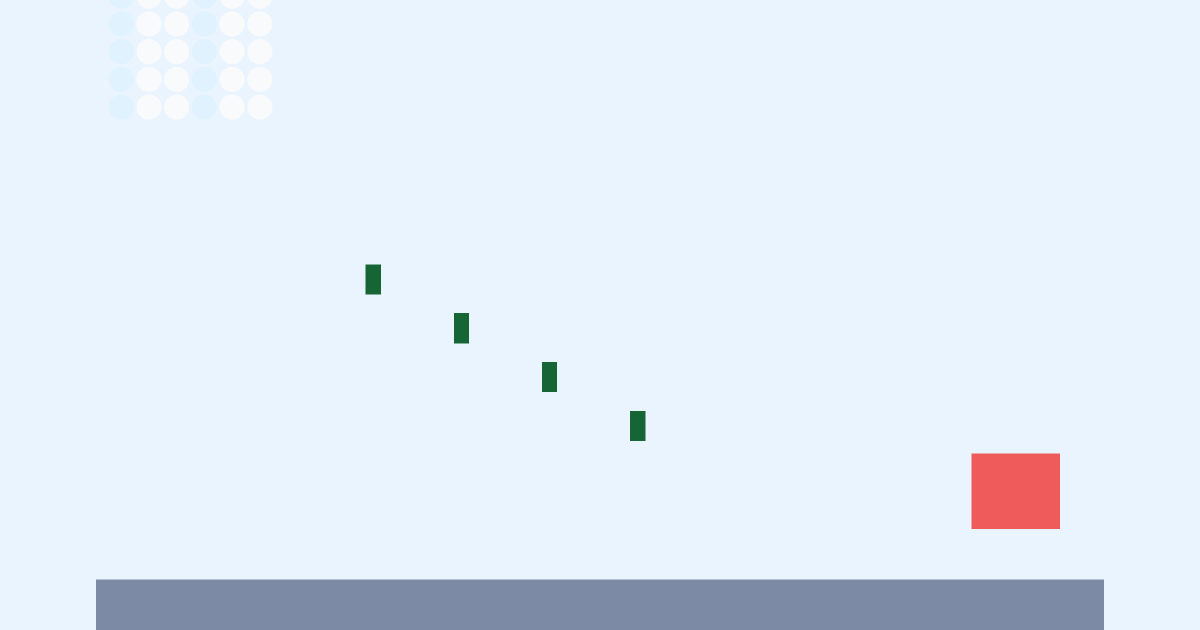
Snowballs roll down a mountain. Rows of trees on the slope slow the avalanche so less snow reaches the house.
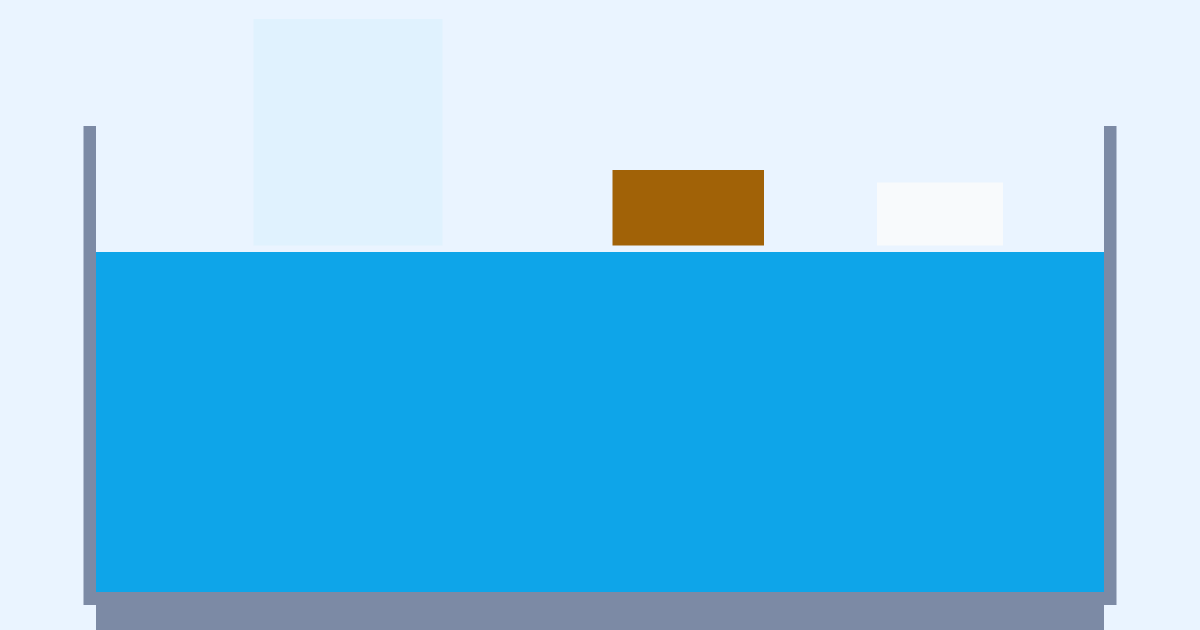
Ice, wood and foam in sea water. Only the tip of an iceberg shows above water — about one ninth.
One, two and three 4.5 V batteries power identical 6 V bulbs. One glows dim, two bright, three burns the bulb.
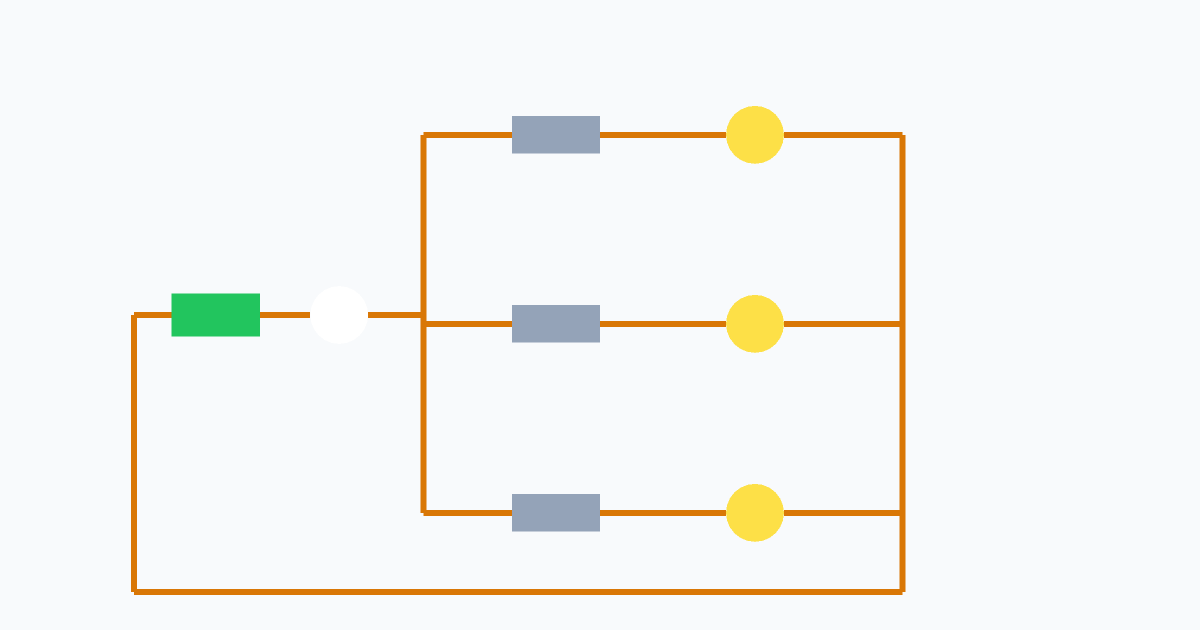
Three lamps are wired in parallel, each with its own switch. Click them — the other lamps keep glowing as before.
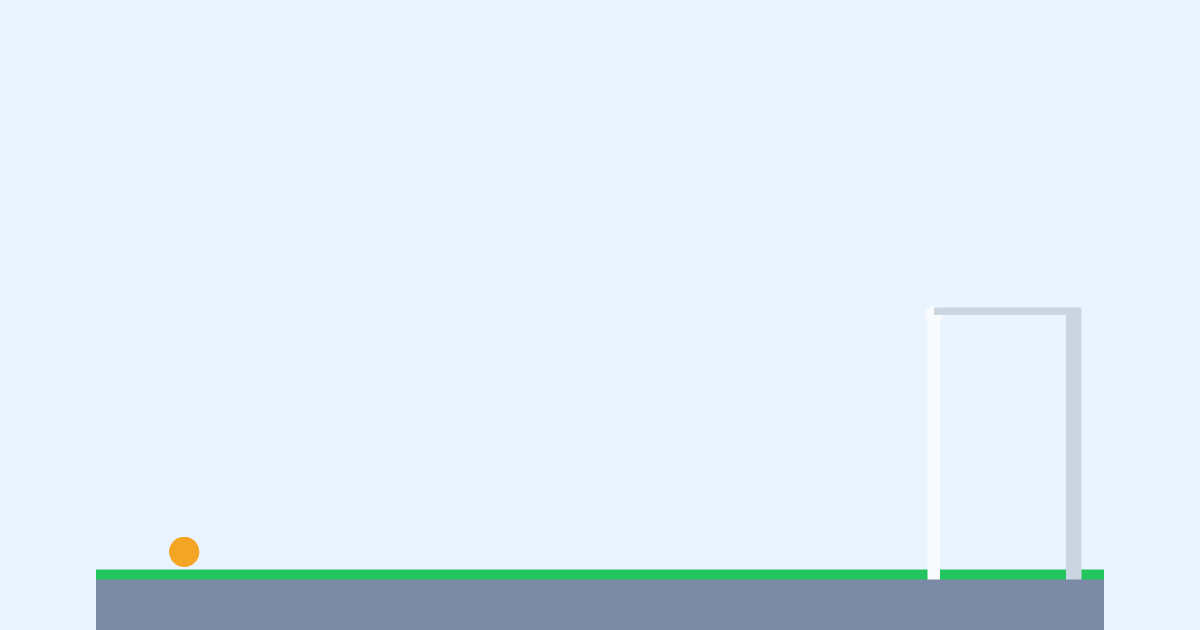
Three balls fly at the goal with different speeds: one into the net, one off the crossbar, one over. The net turns green on a goal.
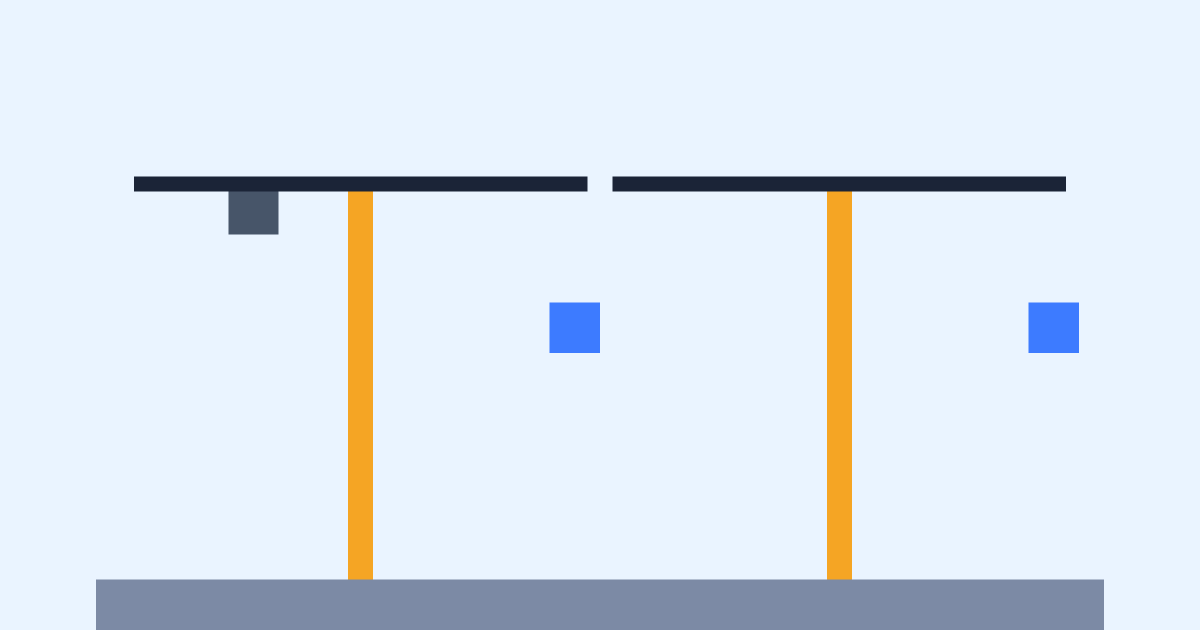
Two cranes hold the same load. One has a counterweight and its jib stays level; the other’s jib tips over.
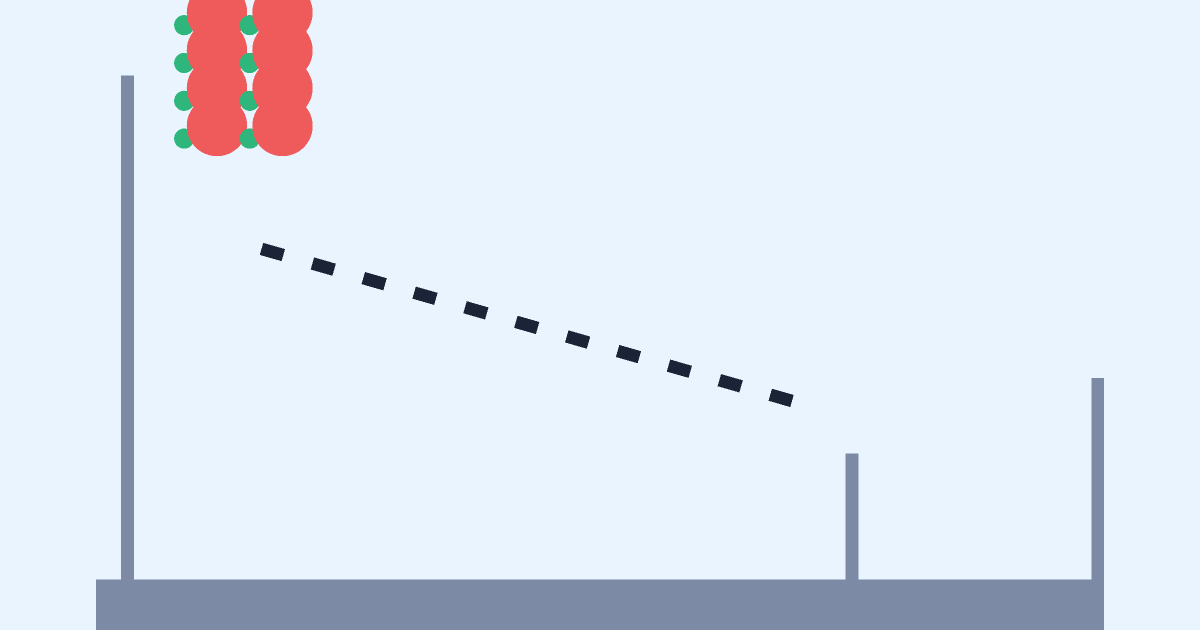
Small and large balls pour onto a tilted grate. The small ones drop into the left bin, the big ones roll on to the right.
A sled and a cart get the same push. The sled quickly stops while the wheeled cart rolls much farther.
Weights of 0.5, 1 and 2 kg and one unknown hang on identical springs. A spring stretches in proportion to the load, so the ruler reveals the mass.
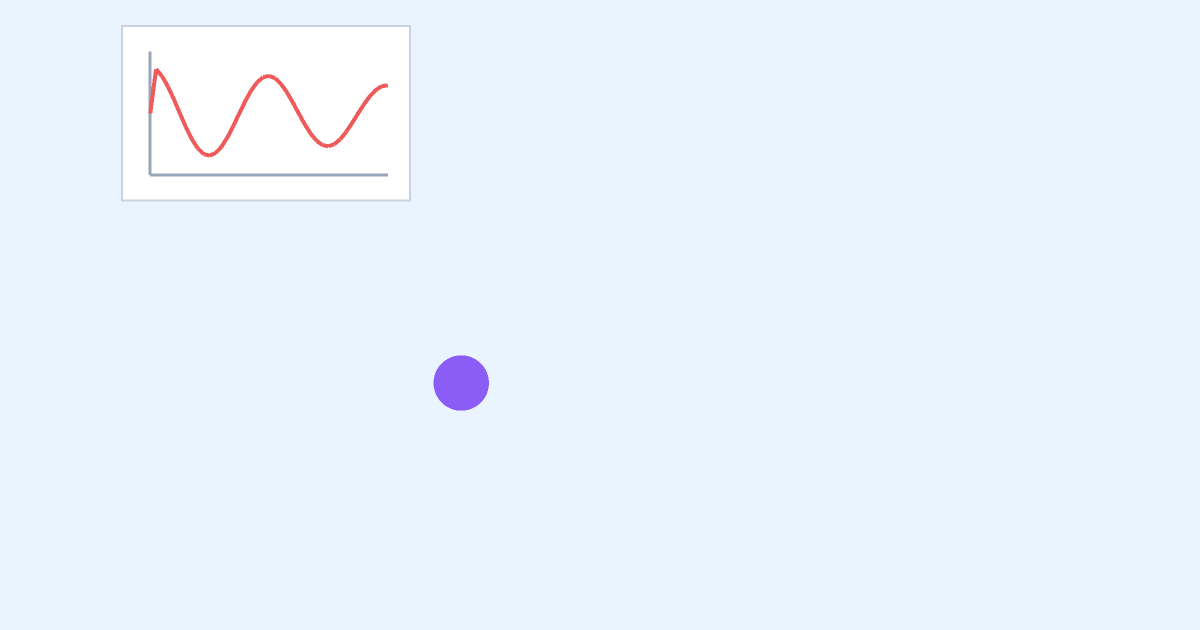
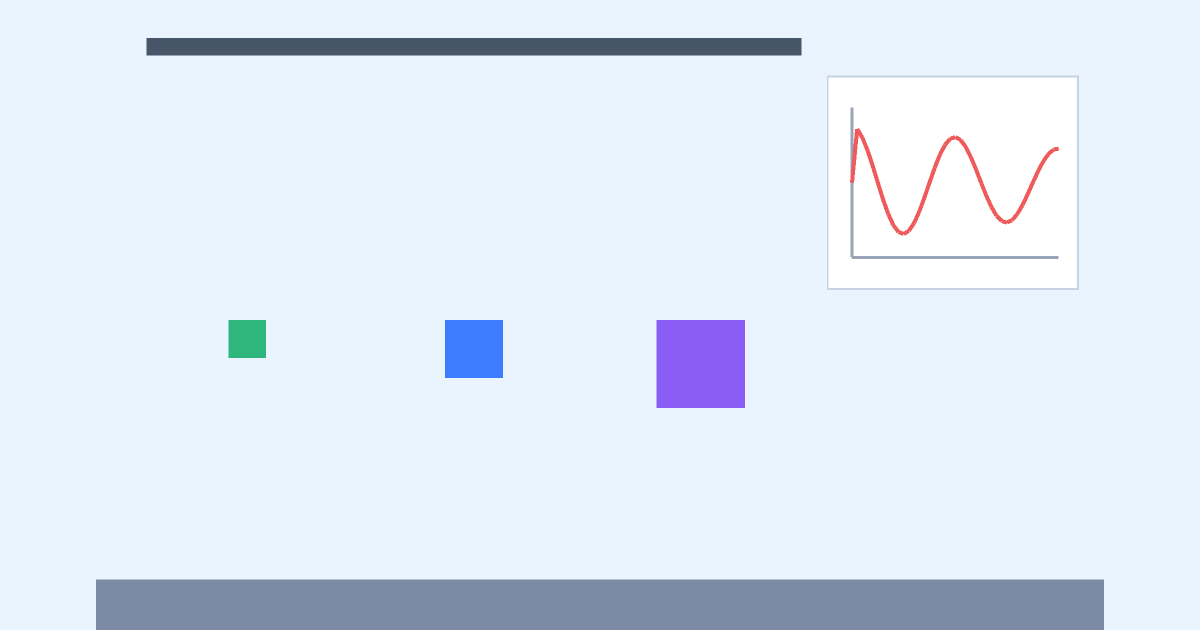
Three weights of 0.25, 1 and 4 kg bob on identical springs. The light one is quick, the heavy one slow, and the chart shows the period.
The same ball falls onto the floor, a soft trampoline and a stiff one. On the floor it stops dead; on the trampolines it bounces up again.
A boy jumps at the same speed as on Earth, but gravity here is lunar (1.62 m/s²). Marks show the jump height on Earth and on the Moon.
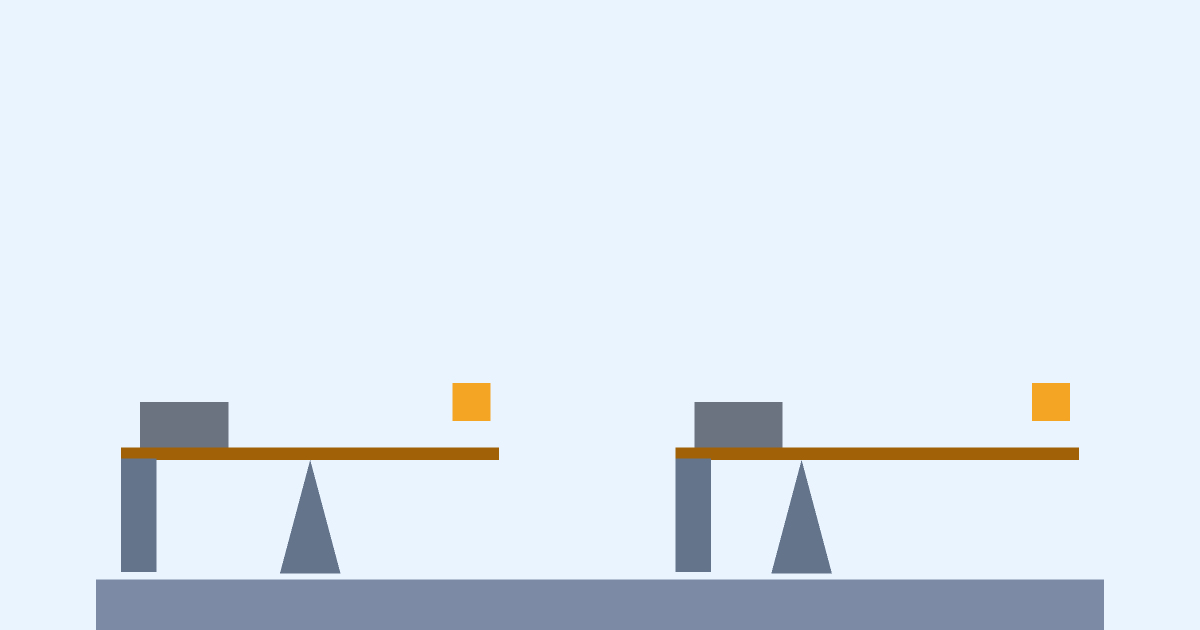
A 20 kg load on the long arm lifts a 50 kg stone when the fulcrum is close to the stone. With the fulcrum in the middle the stone stays put.
A forearm holds 1 kg and 3 kg in the hand. The muscle attaches close to the elbow, so it pulls several times harder than the load weighs.
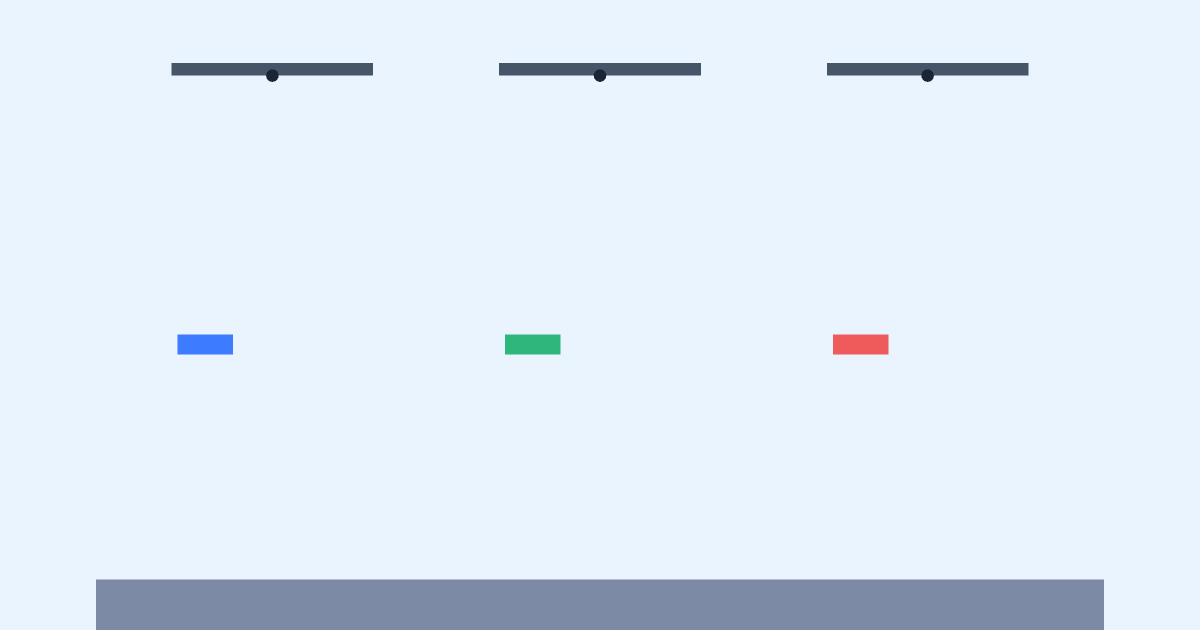
Three identical swings: no pushes, pushes along the motion and pushes against it. Rules push the seat as it passes the lowest point.
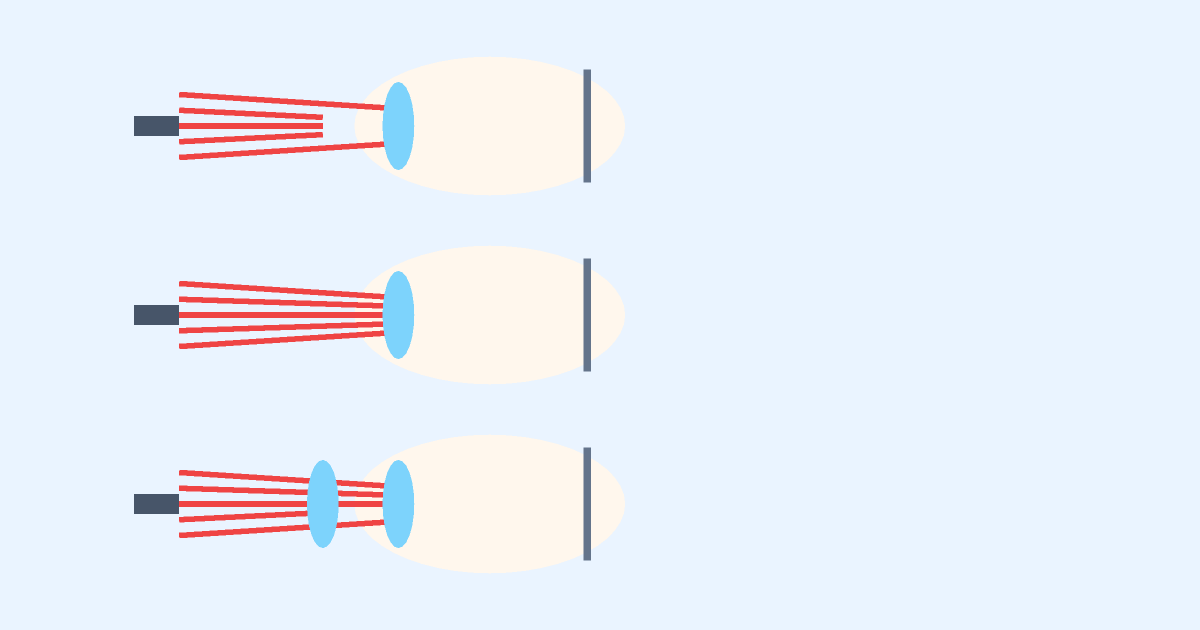
Three eye models: normal, short-sighted and short-sighted with glasses. Rays meet on the retina only in the normal eye and in the eye with a diverging lens.
Two identical cars drive over bumps: the top one has only a spring, the bottom one a spring and a shock absorber. The top body bounces for a long time, the bottom one settles quickly.
Three identical cannons with springs of different stiffness fire at 45°. The stiffer the spring, the farther the ball goes: twice as stiff, roughly twice as far.
A neat business card built from 32 tiles, each with its own physics body. Press “Run” and the layout crumbles and drops to the floor.
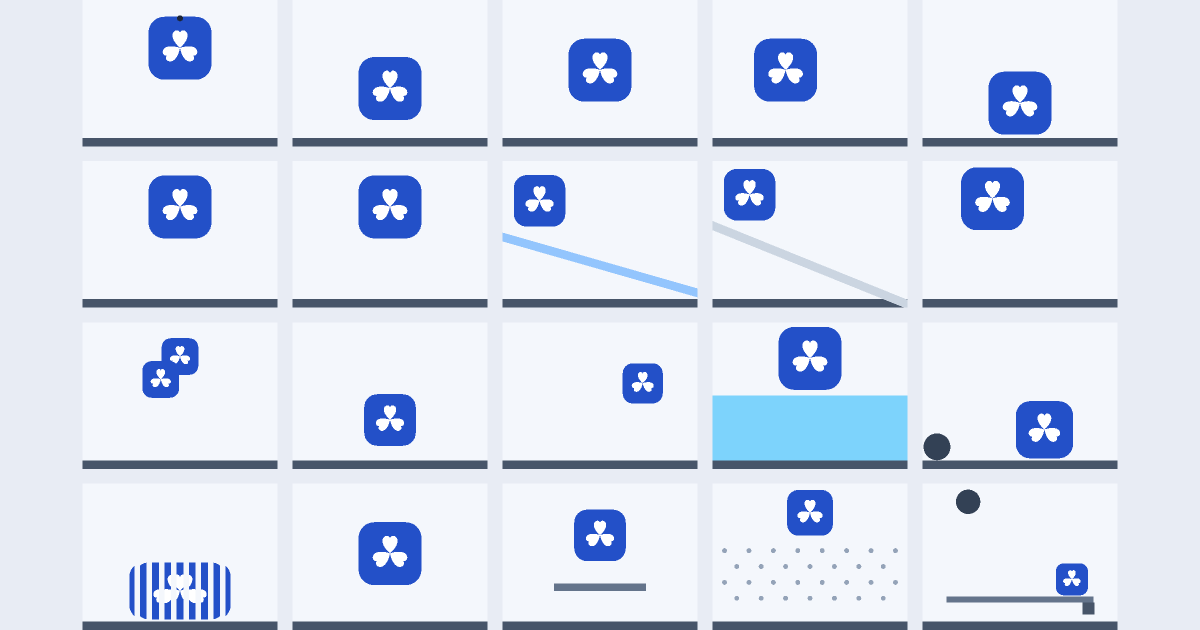
One project, 20 frames, each with the Tymora logo and its own physics: Moon, zero gravity, ice, pendulum, spring, water, dominoes and more.